
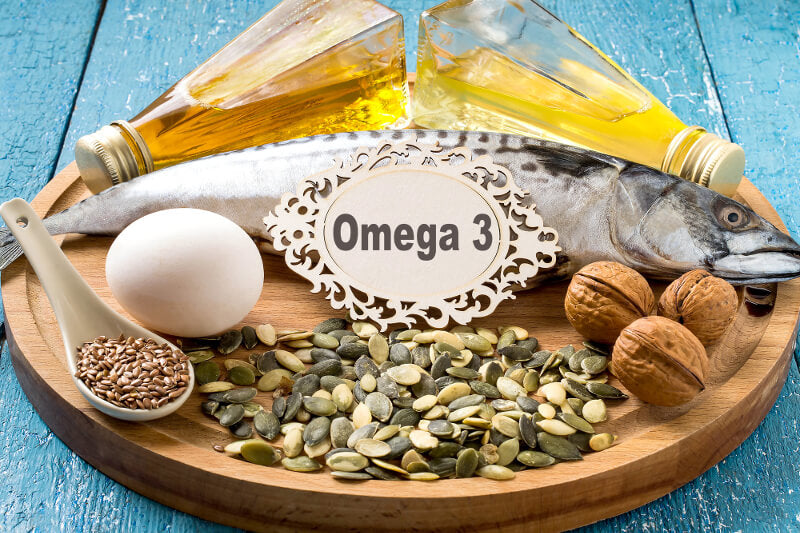
Omega-3 for kids: what really matters when comparing products
As parents, we always want only the best for our kids. We want them to grow up healthy, manage their everyday lives, and go through life feeling balanced. You’ve probably often heard about omega-3 in connection with this development. Maybe another mom told you about it, or you read online how important these omega-3 fatty acids are as building blocks for your child’s health.
Now you’re standing in front of a huge shelf and feeling overwhelmed. There are pure oils, fish oil capsules, mini capsules, as well as juices and gummies. Promises here, colorful pictures there. We at wowtamins understand this uncertainty very well.
In this article, we’ll guide you through the process. We’ll explain honestly why the search for an official “omega-3 test for children” often leads nowhere, which test results really matter, and how to find an omega-3 supplement that your child not only needs but also loves.
- Why omega-3 is so important for children
- Checklist: Quality criteria in the omega-3 test
- Why the omega-3 test winner is not necessarily the test winner
- Omega-3 for kids tested: Comparing dosage forms
- Practical tips: How your child can take omega-3 without a fuss
- Frequently asked questions about “Omega-3 for children: test winner”
Why omega-3 is so important for children
Omega-3 fatty acids, especially DHA and EPA, are valuable companions as your child grows. Since the body cannot produce these building blocks itself, they must be obtained through food. DHA contributes to the maintenance of normal brain function and vision, while EPA and DHA support normal heart function. Especially during phases when everyday life is filled with many new impressions, an adequate supply helps your child navigate their natural development as well as possible.

Checklist: Quality criteria in the omega-3 test
| Test criterion | Why it matters | What you should look out for |
| DHA content | Contributes to the maintenance of normal brain function and vision. | At least 125–250 mg of DHA per daily dose. |
| Source | Determines purity and sustainability. | Algal oil (low in contaminants & vegan) is a high-quality alternative to fish oil. |
| Freshness (TOTOX) | Provides information about the quality and purity of the oil. | A low value (ideally below 10) indicates optimal freshness. |
| Chemical form | Supports good absorption of fatty acids in the body. | Triglyceride form (TG) is more natural than ethyl ester (EE). |
| Contaminant testing | Ensuring purity with regard to heavy metals & microplastics. | Evidence from independent laboratory tests in Germany. |
| Additives | Important for tooth-friendly use and mindful support of metabolism. | Sugar-free and free from artificial colors and flavors. |
| Acceptance | Only a product that people are happy to take can fulfill its purpose every day. | Pleasant fruity taste that children enjoy and that makes daily intake a breeze. |
Why the omega-3 test winner is not necessarily the test winner
On the internet, you will find numerous comparison portals featuring “test winners.” Caution is advised here. These rankings are often based not on laboratory analyses, but on popularity or commissions. A company that invests heavily in marketing does not automatically offer the highest-quality product. The best Omega 3 for children is not defined by its price or colorful label, but by the quality of its ingredients and its valuable composition, which we will now examine together.
Criterion 1: The source – algal oil vs. fish oil
For a long time, wild-caught fish oil was considered the standard. But times are changing. More and more people are asking themselves: Is fish oil or algal oil better for children? There is a clear trend toward algal oil here, as it is a direct source of the valuable fatty acids DHA and EPA:
-
Contaminants: Algae from controlled aquaculture do not come into contact with environmental toxins in the first place.
-
Taste: Algal oil has a milder natural taste, which significantly improves the child’s first impression.
Criterion 2: DHA and EPA
Plant-based foods such as flaxseed oil contain the omega-3 fatty acid alpha-linolenic acid (ALA). ALA is a precursor to DHA and EPA, which can be converted in the body only to a limited extent. That is why many parents specifically look for sufficient DHA and EPA content when choosing omega-3 products for children—these long-chain omega-3 fatty acids contribute to the maintenance of normal brain function and normal heart function.
Criterion 3: Bioavailability and the triglyceride form
One aspect that many “tests” overlook is the form of the oil. The natural triglyceride form is well absorbed by the body. This can optimally support the daily intake of nutrients.
Criterion 4: The TOTOX value – How fresh is the oil?
A low value is a sign of the oil’s exceptional freshness and quality. Transparent brands disclose this value. Informative videos can also often help assess quality.
Criterion 5: The sugar trap – gummy bears or food supplement?
Many gummies consist largely of sugar. Today, many parents consciously value a sugar-free diet. At wowtamins, we consciously chose a formula that contains no sugar at all.
Omega-3 for kids tested: Comparing dosage forms
To make it easier for you to choose between the various options, we have summarized the most important features of the common dosage forms for you.
| Criterion | Omega-3 oil (drops) | Omega-3 capsules | wowtamins Gummies |
| Source | Algae oil or fish oil | Usually fish oil | Premium algae oil |
| Acceptance (child) | Low (oily feeling) | Medium (Capsule size can make swallowing challenging) | Very high (like fruit gummies) |
| Taste | Often fishy or herbal | Neutral (when swallowed directly) | Fruity (no fishy taste) |
| Dosage | Individual (measuring spoon) | Fixed per capsule | Quick & easy per piece |
| Shelf life | Should be used up promptly after opening (contact with oxygen) | High (individually protected) | High (individually protected) |
| Sugar content | Sugar-free | Usually sugar-free | Sugar-free |
| Choking hazard | None | Present (for toddlers) | None (easy to chew) |
| Vegan | Depending on the source | Usually not (uses animal-based gelatin) | 100% vegan (pectin) |
The comparison shows: While oils and capsules often require compromises in dosage, taste, or everyday handling, gummies stand out particularly for their high acceptance, easy use, and child-friendly composition.
For these exact reasons, we developed our wowtamins omega-3 gummies – with the goal of combining quality, everyday practicality, and taste in one product.
Why the wowtamins omega-3 gummies are the ideal solution
The best supplement is the one the child actually takes. We evaluated a wealth of experience. Why our gummies win your “personal test”: Premium algae oil, 100% vegan, no sugar and fruity flavor without the typical aftertaste of conventional oils.
Practical tips: How your child can take omega-3 without a fuss
Even with the best product, there are days when little ones refuse – but with these proven strategies the daily supplement can be taken with complete ease:
-
Routine makes the difference: Children love predictability. Link taking the omega-3 gummies to a fixed daily ritual, for example always immediately after brushing their teeth or as a set ending to breakfast. This way, the omega-3 supplement for your child naturally becomes part of the daily routine, something that fits seamlessly into everyday life.
-
No pressure, just a “healthy extra”: Put enjoyment first – this way, the gummies are naturally perceived as something special. When the positive framework is maintained and no pressure is created, acceptance among children increases dramatically because they look forward to their fruity “ocean drop.”
-
The clever yogurt trick for oil: If you have chosen a liquid omega-3 supplement that your child refuses to take on its own, simply stir the dosage into a small portion of cold yogurt, quark, or applesauce. Important: The oil should never be stirred into hot foods such as soups, as heat can damage the valuable fatty acids and reduce the quality of the product.
Frequently asked questions about “Omega-3 for children: test winner”
Which omega-3 product is best for my child?
The best product is characterized by providing the fatty acids DHA and EPA in a form that your child enjoys incorporating into their daily routine. Since an official evaluation by Stiftung Warentest is often unavailable for current children's products, parents should check the ingredients themselves. High-quality algae oil is often the purest choice here.
From what age can children take omega-3 capsules?
Most manufacturers recommend capsules only from school age. At a younger age, swallowing capsules can still be challenging. For toddlers, liquid options or soft gummies are the safer and less stressful choice for incorporating valuable nutrients into their diet.
What role does the concentration of omega-3 play in brain function?
An adequate concentration of omega-3 fatty acids in the body is essential, as DHA contributes to the maintenance of normal brain function. Since the brain consists largely of fat, a consistent intake is important so that children can meet the challenges of school and daycare.
How many mg of omega-3 are recommended for children per day?
When buying, follow the official recommendations from experts. As a rule, a combined amount of approximately 250 to 500 mg of EPA/DHA is considered a guideline for children. Those who cut corners and buy products with too low a dosage often spend money unnecessarily without being able to fully benefit from omega-3 fatty acids for normal bodily function.
How can I ensure that my child gets an adequate supply of omega-3?
To reach the optimal daily dose of DHA easily, support from a dietary supplement can be very useful. It is a practical addition to the daily diet to ensure an adequate supply of DHA and EPA. Since the human body cannot produce these fatty acids itself, these products offer a reliable solution when fresh fish is only rarely served.
Note: Omega-3 products are not a substitute for a balanced lifestyle.
Leave a comment
This site is protected by hCaptcha and the hCaptcha Privacy Policy and Terms of Service apply.