
Vitamins for Teenagers
Buy delicious vitamin gummies for teenagers!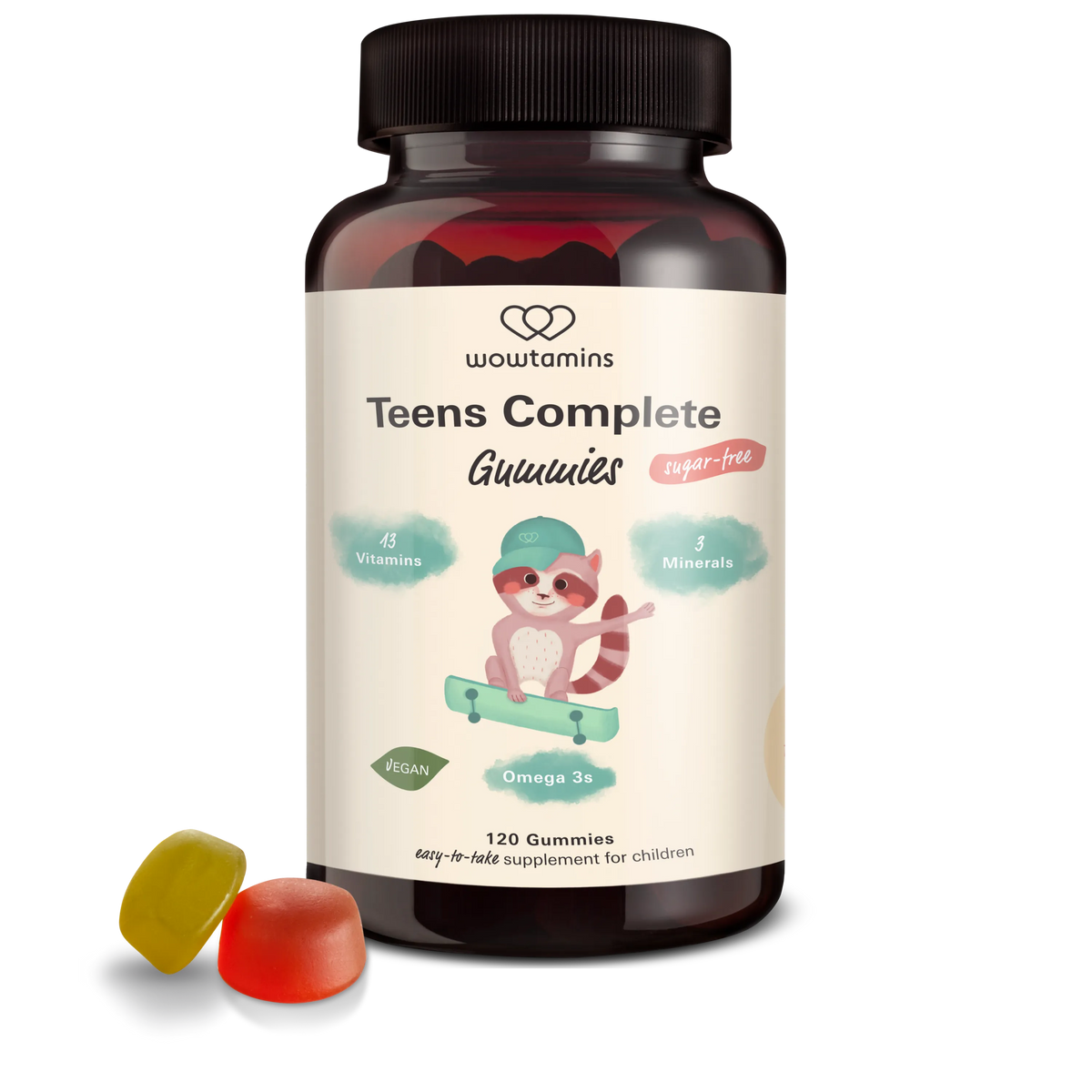
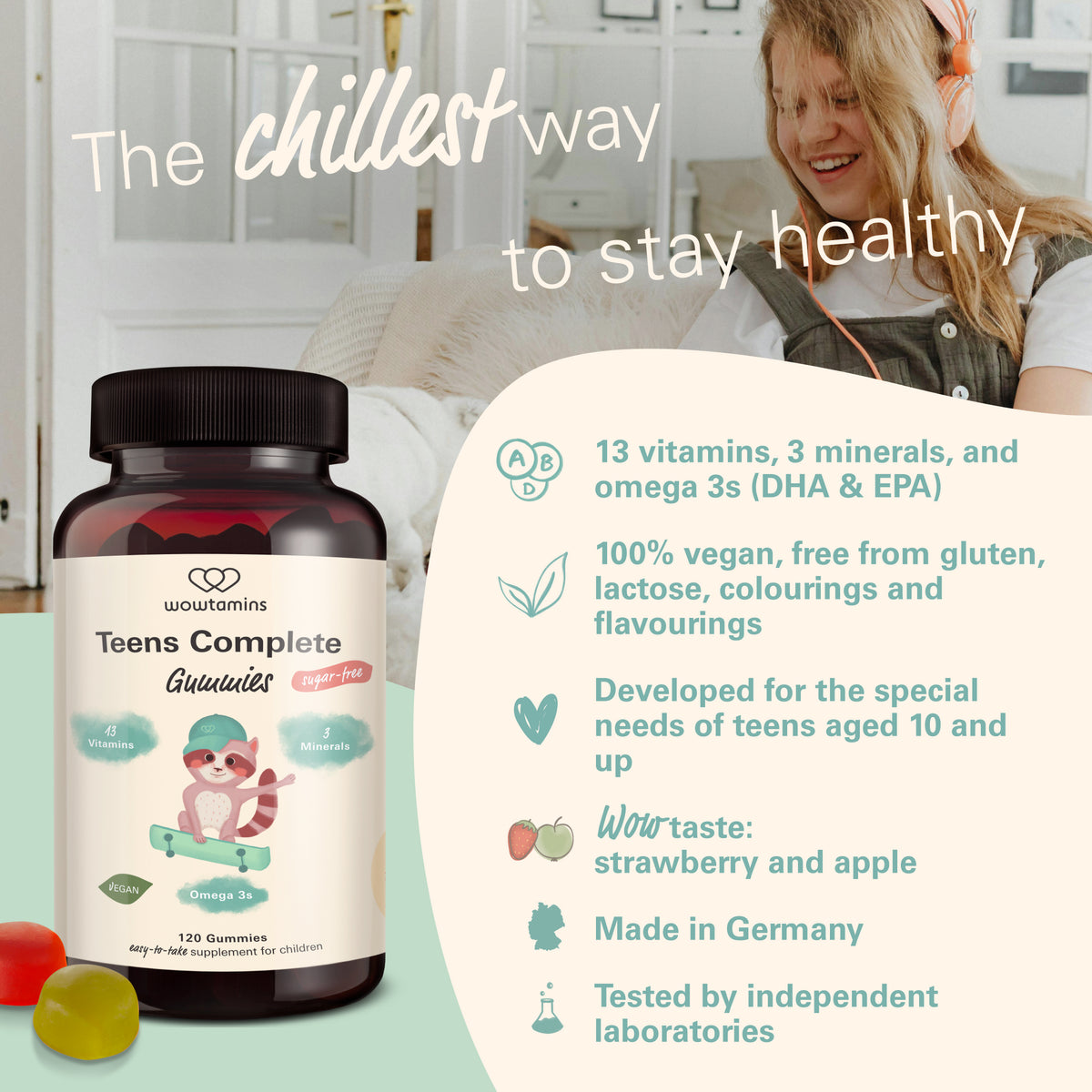
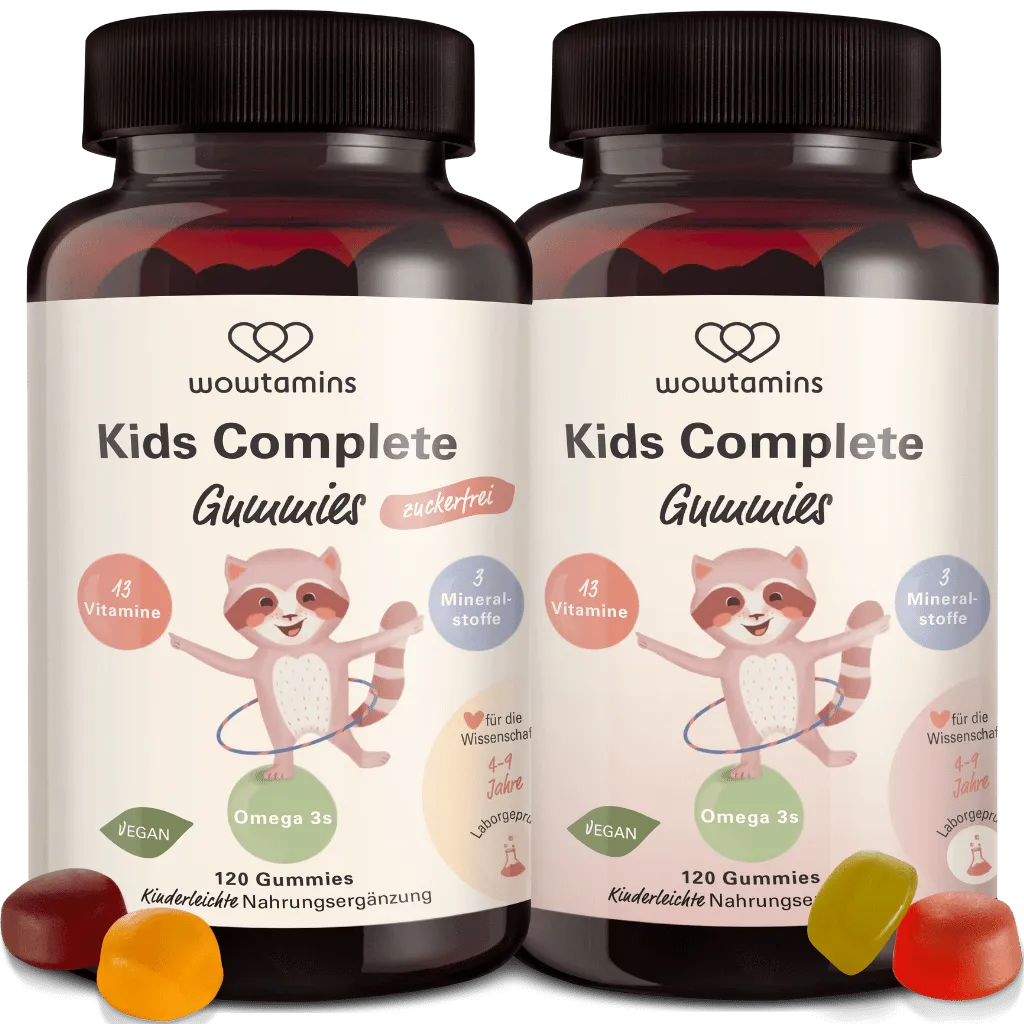
Complete care for teenagers aged 10 and over 👩🎓🧑🎓 – vitamins, omega-3s & minerals


Magnesium Gummies for kids & teens 💪 – for Muscle Function & Energy
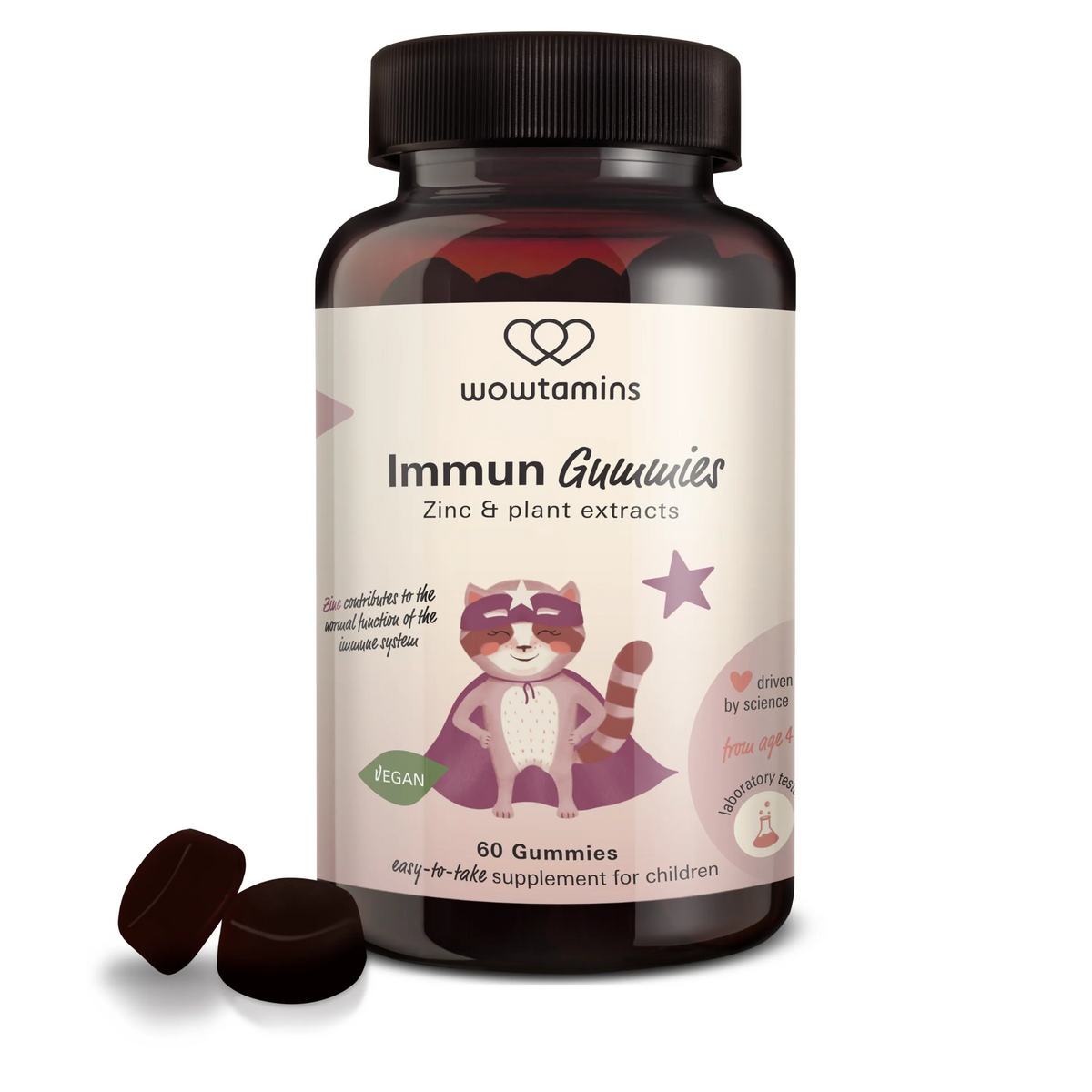
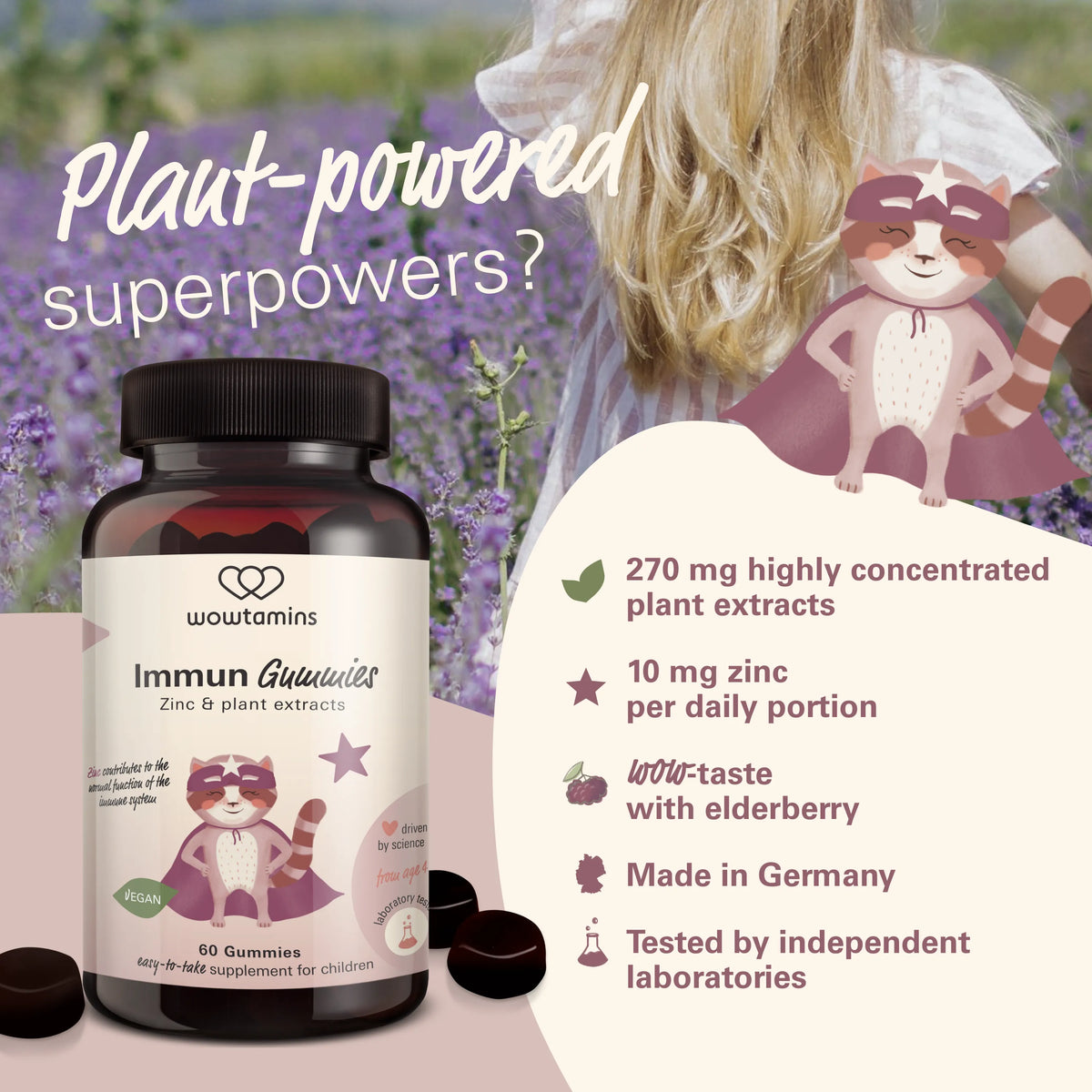
Immun Gummies as a course for kids & teens 💪🍊 Zinc, ginger, elderberry, echinacea & more for the immune system
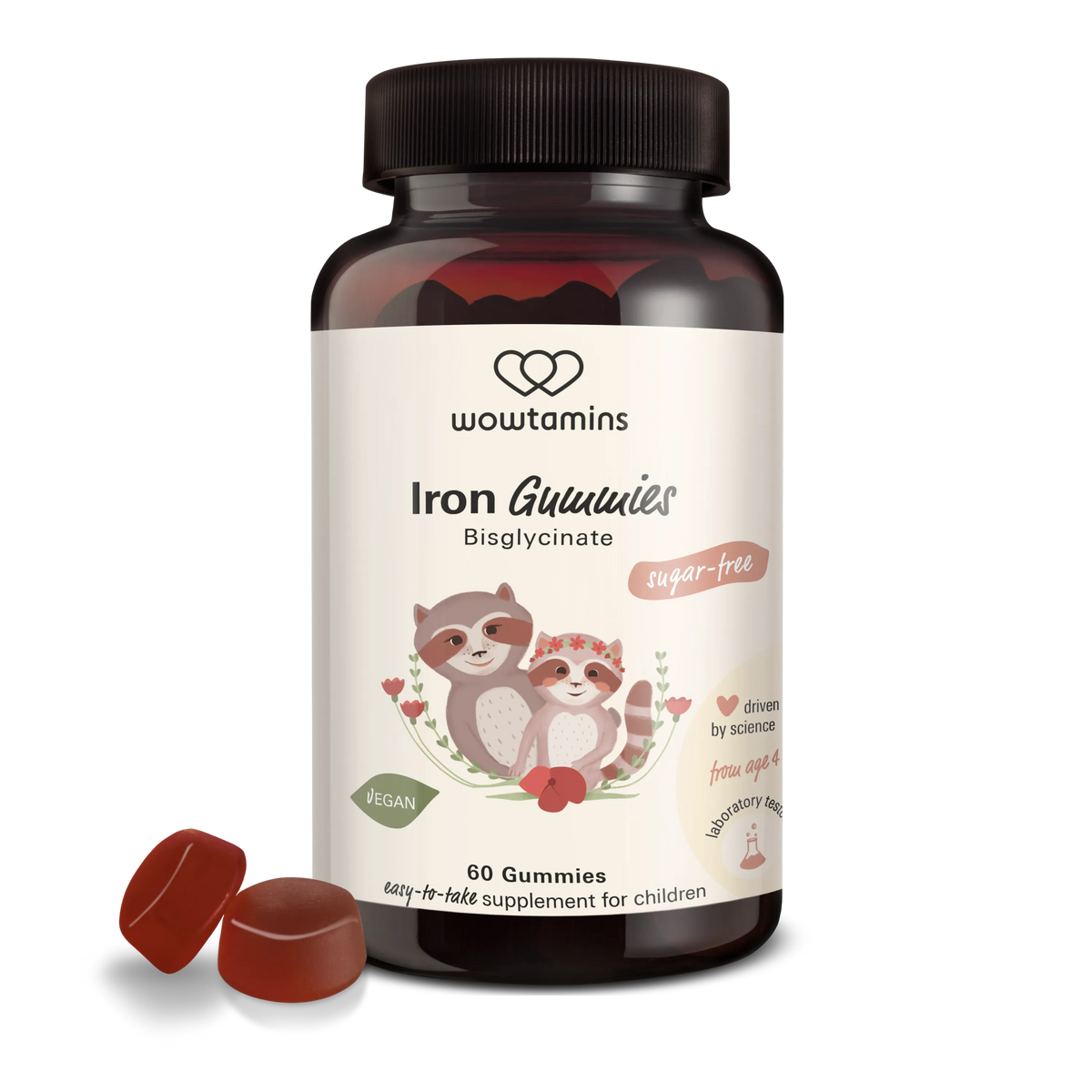
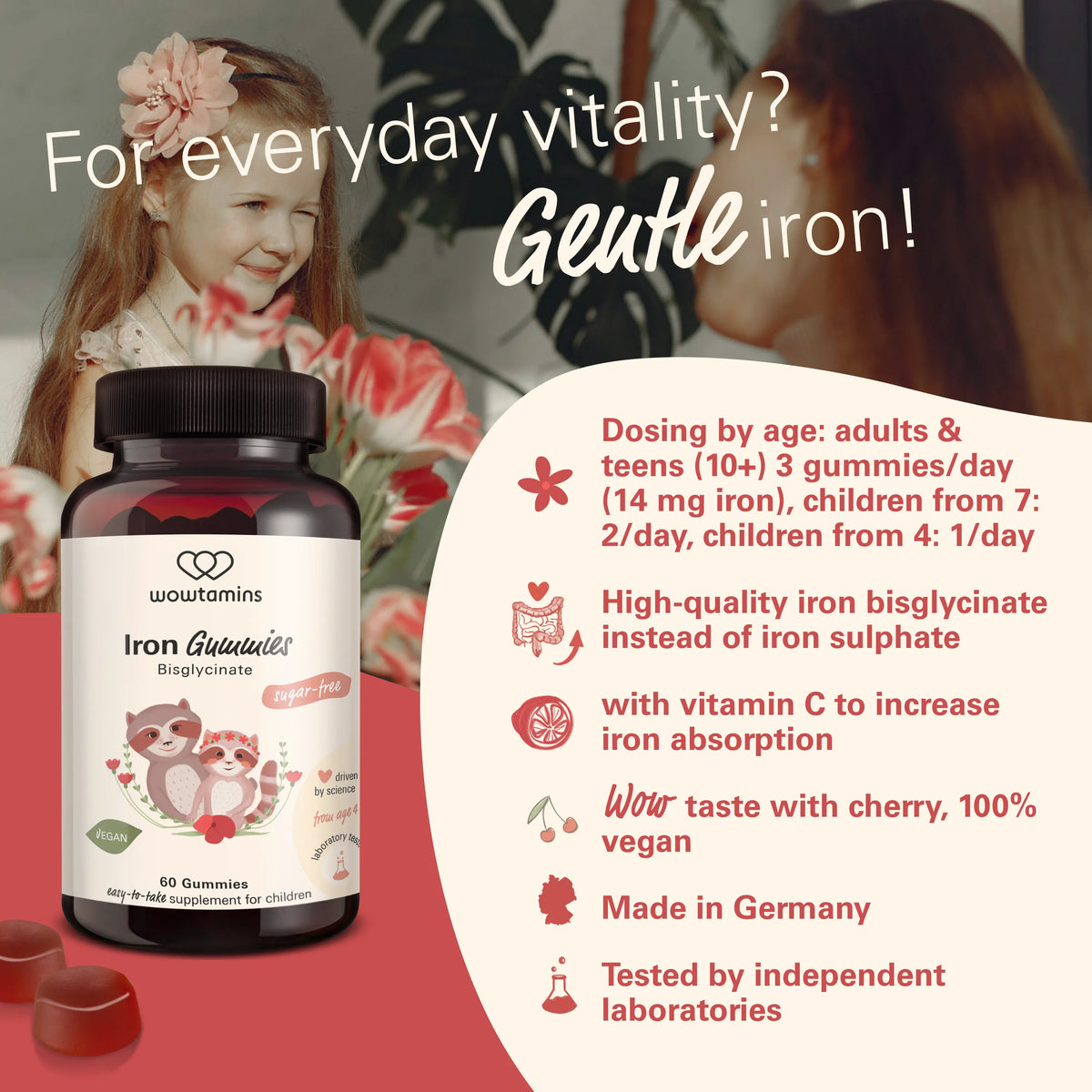
Iron Gummies for Kids, Teens, and Moms 🩸🍎 – for Blood Formation & Energy with Vitamin C
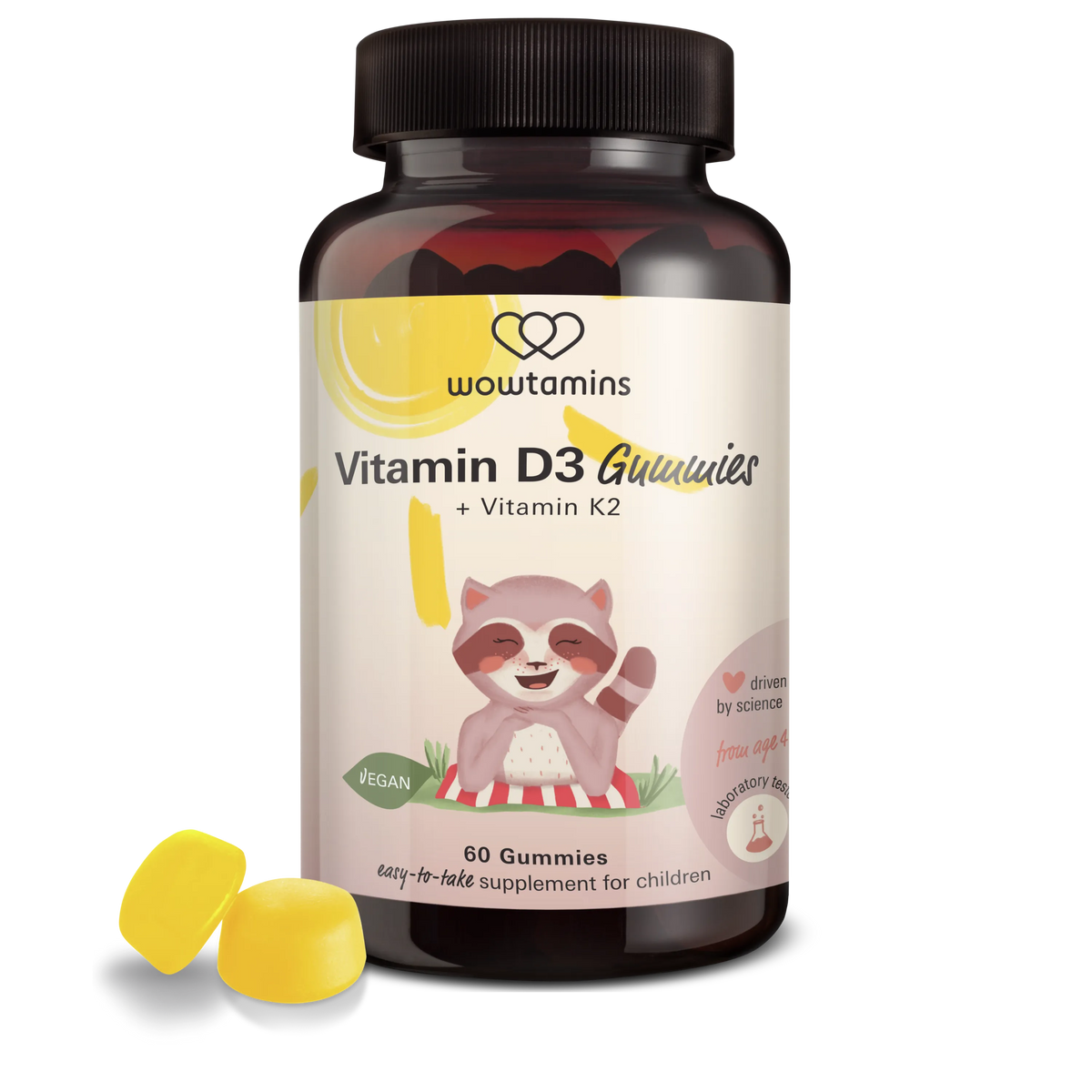
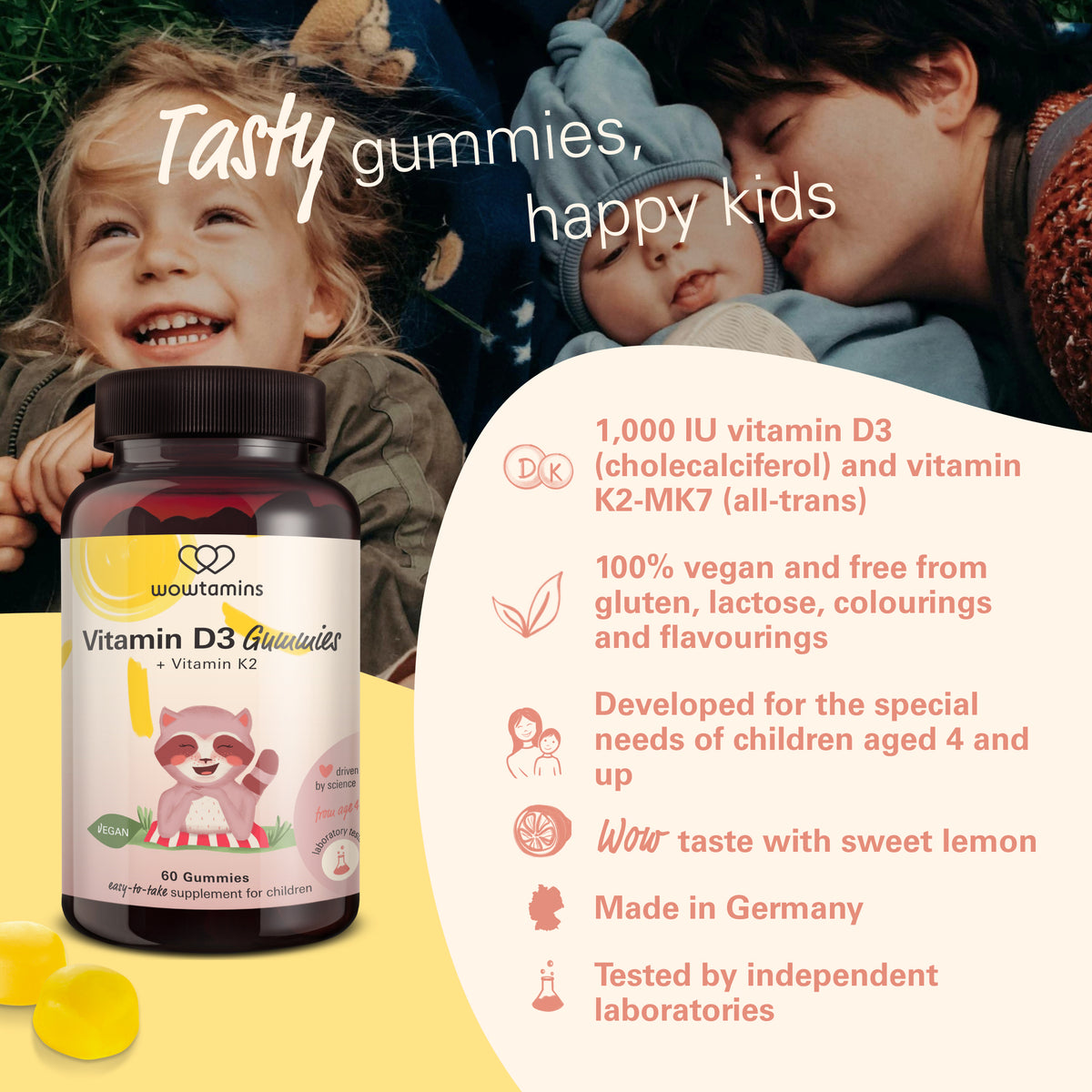
Vitamin D3 + K2 Gummies for kids & teens ☀️🦴 – for bones & the immune system
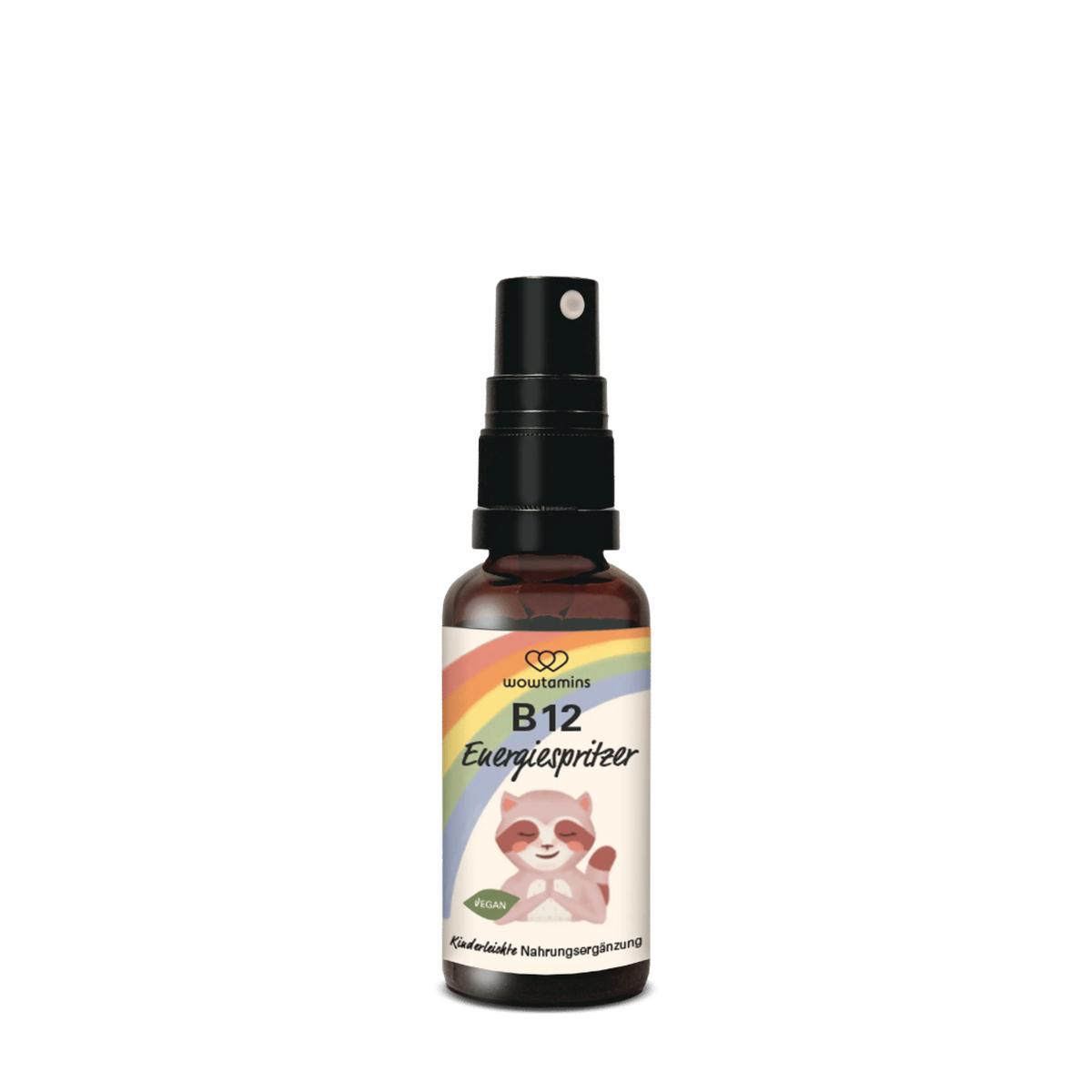
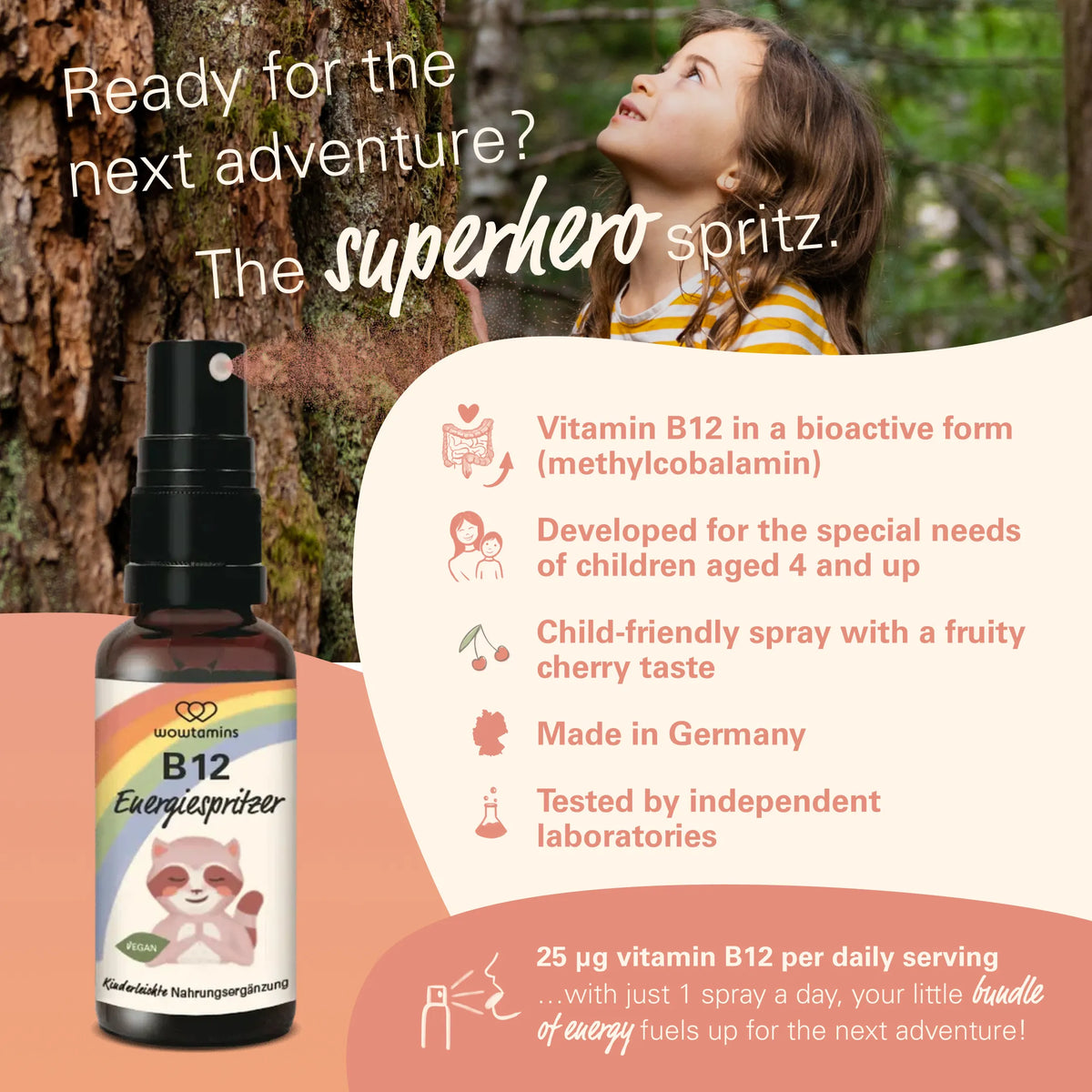
Vitamin B12 Spray for kids & teenager 🧠💤 – for tiredness and fatigue & energy metabolism
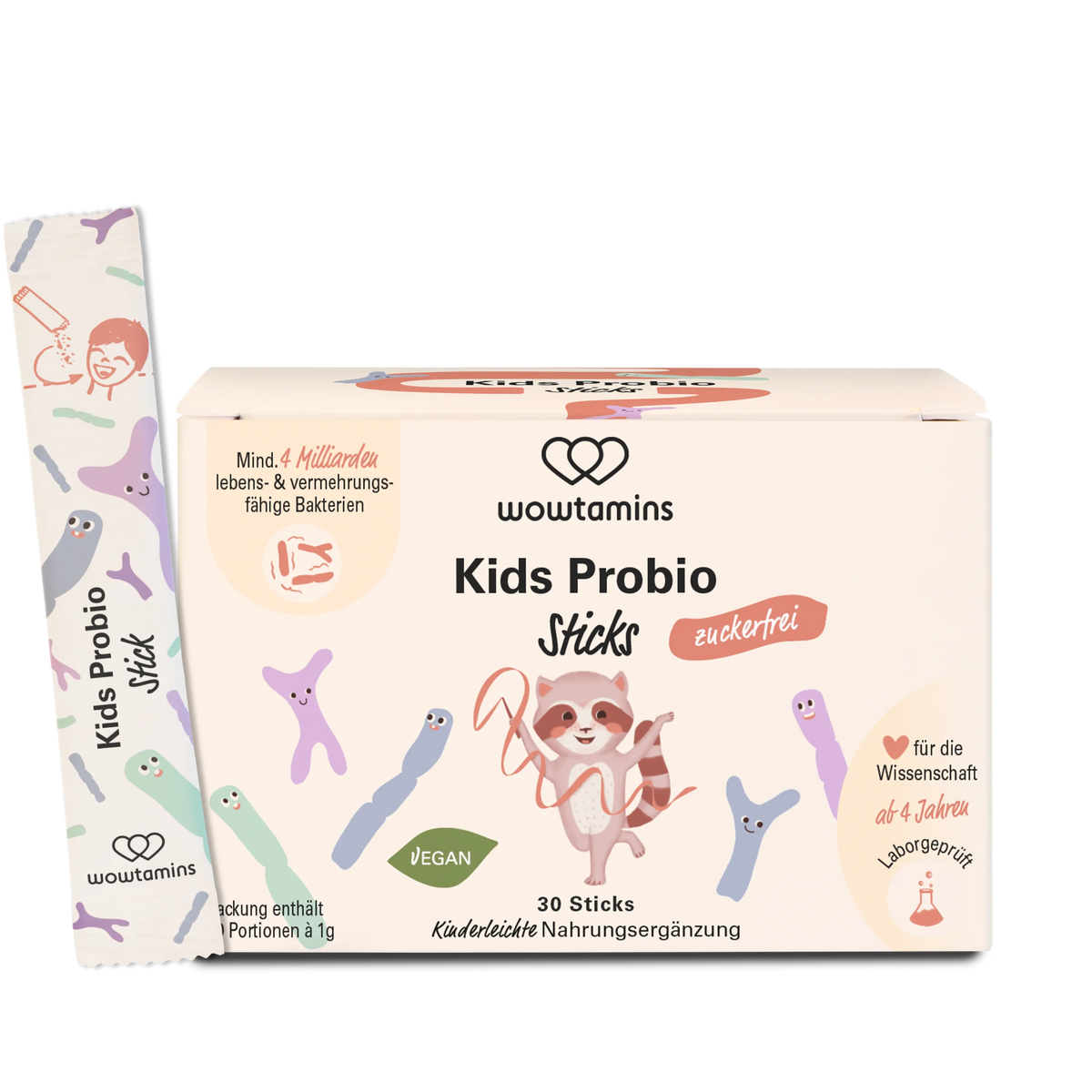
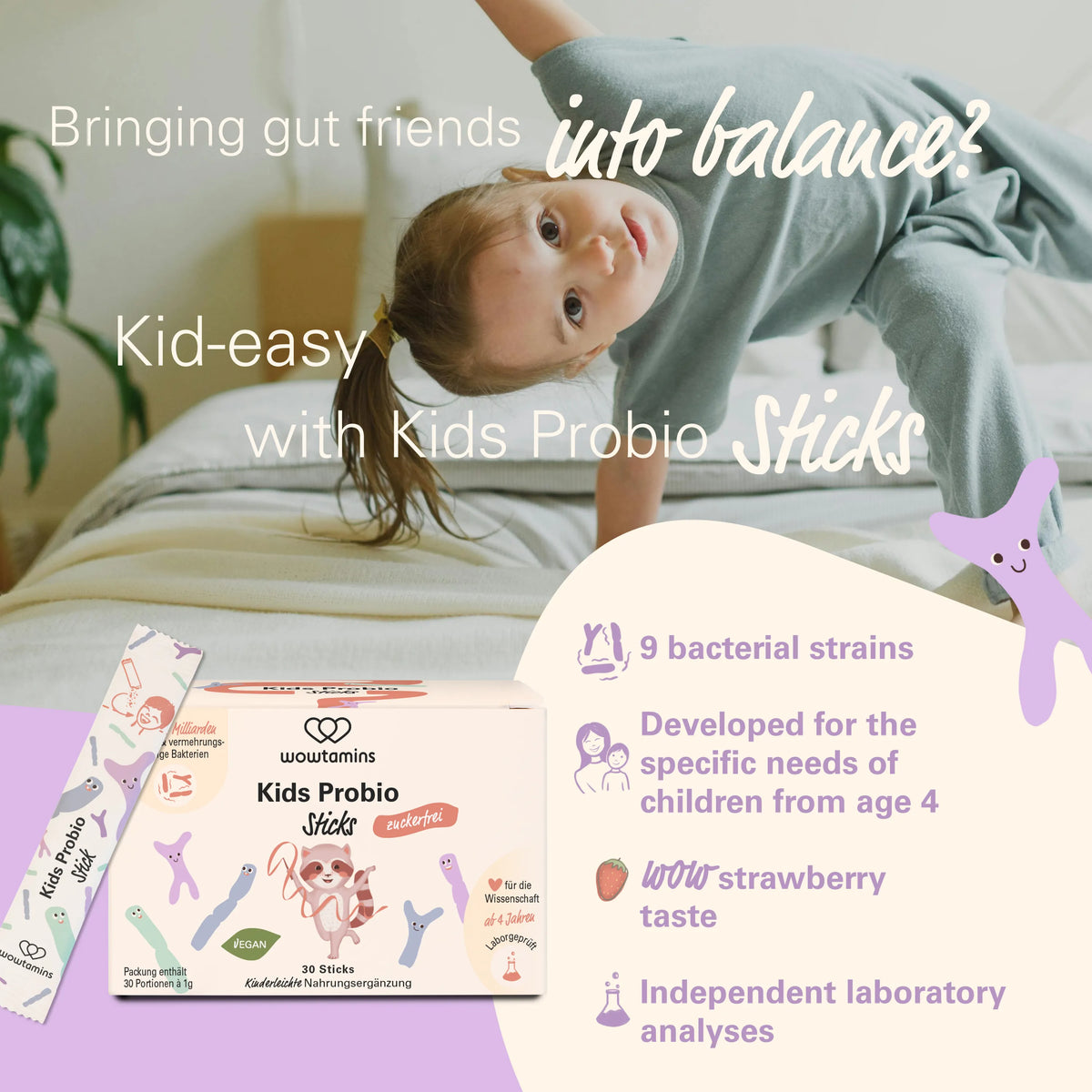
Delicious Probio Sticks for kids & teenagers 💪🍓 9 viable bacterial strains with 4 billion CFU
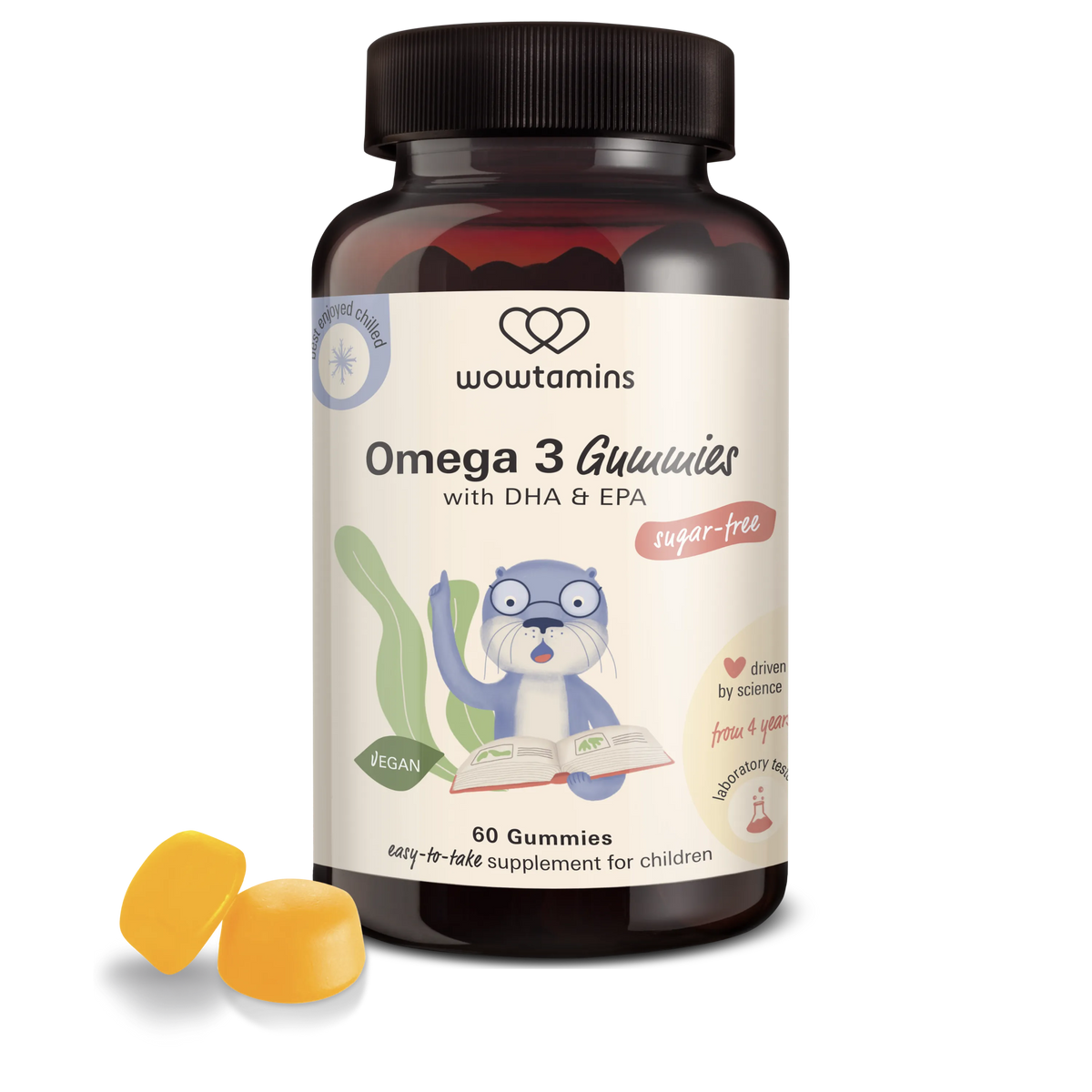
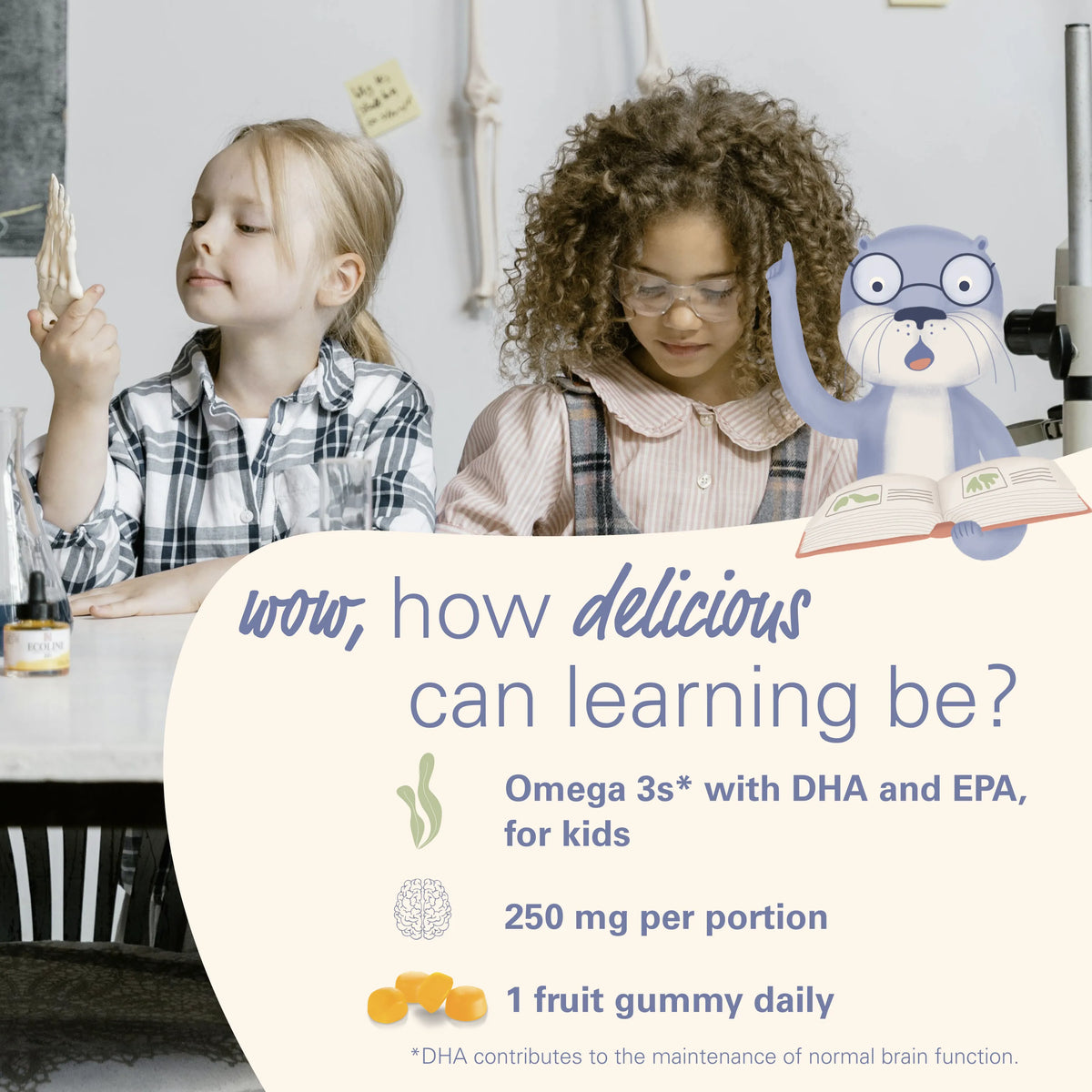
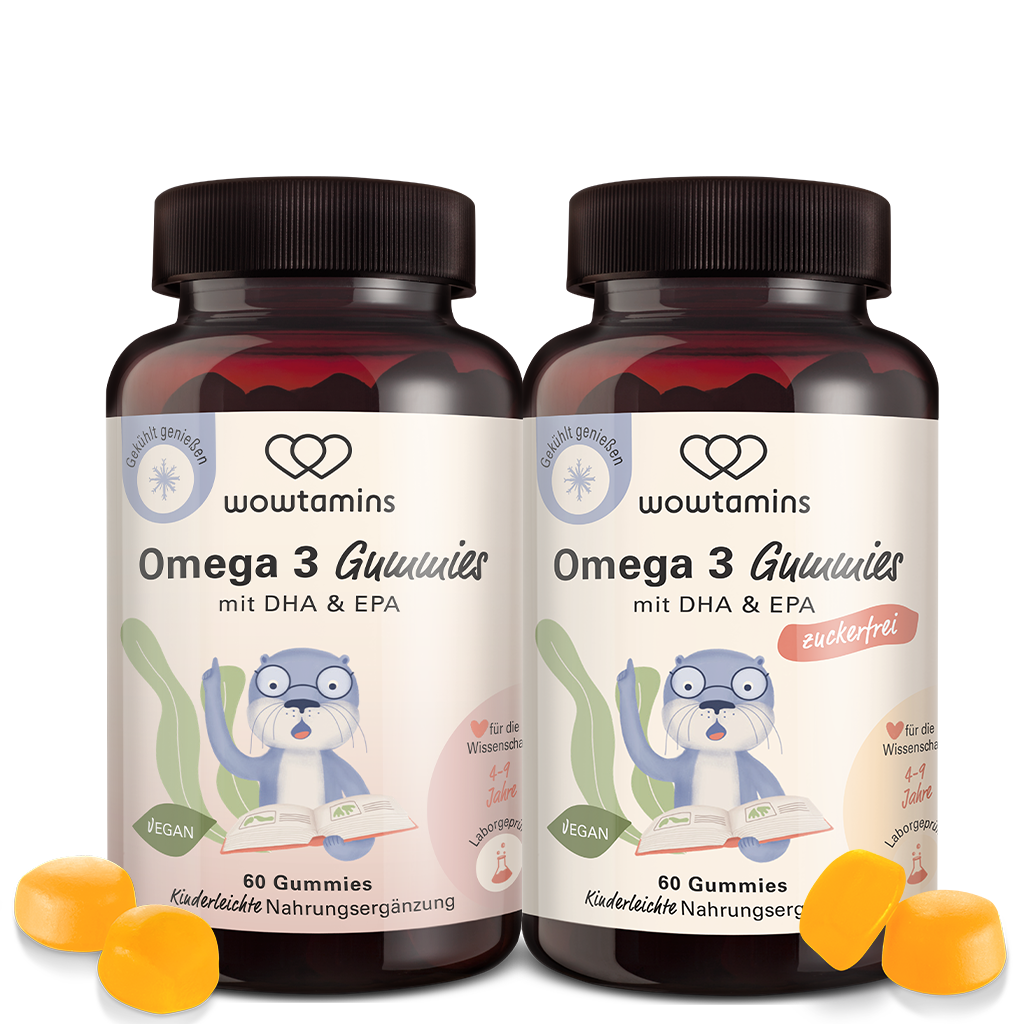
Omega-3 Gummies for kids & teens made from Algae Oil 🧠✨ – supports Brain Function & Vision
What experts think about vitamins for teenagers
"What’s especially important to me is that Teens Complete contains the nutrients that adolescents lack the most these days. As a bonus, it contains omega-3 fatty acids.
Teens Complete contains all the important vitamins in their active forms, ensuring optimal bioavailability—and, by the way, it’s made in Germany."

Unkas Gemmeker, founder of BIO360
"Since discovering wowtamins, I’m happy to recommend this delicious dietary supplement to my patients because it meets the highest quality standards and its study-based formulation is convincing."

Annika Wolenski, naturopath from Castrop-Rauxel
"wowtamins offers dietary supplements focused on health and well-being. With delicious gummies, it is easy to give young children and teenagers the best support."

Sina Hellinger & Mandy Geppert, naturopathic practitioners, lecturers & founders of Frauengeflüster
For simple and effective vitamin, mineral & omega-3 support for teenagers

with 13 vitamins tailored to the nutritional needs of adolescents

a mineral complex of 3 selected trace elements

the omega-3 fatty acids DHA & EPA from high-quality algae oil
Why do teenagers need vitamins during puberty?
Vitamin requirements for growing adolescents
As our teenagers enter this crucial stage of growth, their bodies undergo significant changes, while their cognitive, mental, and emotional abilities continue to develop. During this formative period, their nutritional needs are particularly high. A balanced diet is essential for the health and well-being of our adolescents.
Adolescent nutrition: What does the science say?
Current studies on adolescent nutrition, including the findings of the EsKiMo II study (KiGGS module, Robert Koch Institute (2021)), shed light on nutrition-related challenges in this age group. They show that adolescents between the ages of 12 and 17 have deficiencies similar to those of younger children: More than half do not meet the recommended D-A-CH reference values for important vitamins and minerals. These findings underscore the need to improve adolescents’ dietary habits to promote their health and development.
Which nutrients are our teenagers lacking?
According to the EsKiMo II nutrition study, more than half of adolescents do not meet the recommended D-A-CH reference values for important vitamins and trace elements. Vitamin A, vitamin C, vitamin D, vitamin E, and folate are particularly affected, as are the trace elements calcium, iron, iodine, and zinc. These nutrient deficiencies can have serious effects on the health and development of our teenagers.
Let customers speak for us
Mein Kind verlangt abends selbst seine Vitamine. Sie schmecken ihm gut, kleben aber etwas in den Zähnen.

Die Omega 3 Gummies kommen gut an! Unser Kind ist ein sehr wählerischer Esser, daher hatten wir bisher auch Probleme Omega 3 zu geben weil die meisten Produkte doch einen starken Eigengeschmack haben. Diese Gummies schmecken und werden sehr gerne von unserem Kind gegessen :)

Die zuckerfreie Variante schmeckt meinem Sohn so gut, dass er täglich von selbst an die Einnahme denkt. Und er hat die ersten positiven Effekte bemerkt, wie eine verbesserte Aufmerksamkeit in der Schule. Wir werden auf jeden Fall wieder bestellen und eine längere Einnahme anstreben.

Ich mag den fischigen Geschmack auch veganer Omega 3 Kapseln oder Öle überhaupt nicht. Umso mehr begeistern mich die Gummies. Im Kühlschrank aufbewahrt schmecken sie wirklich gut und haben auch keinen seltsamen Nachgeschmack. Ganz wichtig finde ich auch, dass die Rohstoffe und jede Charge der Gummies geprüft sind. So weiß ich sicher, was und in welcher Menge verarbeitet ist.
Magnesium Gummies zuckerfrei
Vitamin D3 + K2 Gummies

Super Produkt, die Kinder lieben den Geschmack. Noch dazu ein extrem ehrlicher und korrekter Service bei Lieferproblemen – hier ist man bestens aufgehoben. Vielen Dank!
Das erste was meinem Kind zusagt und er nimmt sie inzwischen gerne ein :)
Die Kinder finden die Gummibärchen lecker!
Schnelle Lieferung und geschmacklich sehr gut. Es wird jeden Tag nach den Gummi‘s gefragt und somit gibt es bei der Einnahme auch keine Probleme,

Kids Complete Gummies (Zucker / zuckerfrei)
Bestelle die Vitamine schon lange und bin deshalb sehr zufrieden. Habe lange nach den passenden Vitaminen gesucht, die meinen Kindern schmecken und zuckerfrei sind. Mit diesen habe ich das richtige gefunden. Manchmal sind die einzelnen Geschmacksrichtungen mehr oder weniger dabei.
Eins der wenigen Produkte das ich gut vertrage ohne Beeinträchtigungen der Verdauuung zu haben..

Schnelle Lieferung, und die Gummibärchen schmecken den Kindern gut
Ich bestelle nun schon seit über einem Jahr die Omega 3 Gummies, denn ohne geht's nicht mehr. Mein Sohn hat ADHS und wir hatten auch andere Präparate genutzt doch landen letzten Endes immer wieder bei WOWtamis :-) sind halt die Besten - Danke Euch !
The “wow” in wowtamins stands for...

Together with health experts
In collaboration with doctors, therapists, naturopaths, and nutritionists, we are making a significant difference for our children’s health. Committed to science, we explain when supplemental micronutrients are beneficial and when they are less appropriate.

About the founders
Founded in 2019, the pioneering spirit of dad Sebastian and physicist Patrick was sparked to pave the way toward a more nutrient-rich world for our children with the most child-friendly alternative to classic food supplements such as powders, capsules & co. wow in wowtamins? That’s us.

Germany’s first children’s brand for dietary supplements
Five years later, the wow in wowtamins stands not only for Germany’s first children’s dietary supplement brand, effective products with wow flavors ranging from A for apple to Z for lemon, but also for more than 100,000 happy, health-conscious customers.
Frequently asked questions about vitamins for teenagers
For growth and healthy development, adolescents generally need all vitamins as well as sufficient minerals. The vitamins that studies show are commonly deficient are particularly important for children. These are vitamins A, C, D, and E, as well as folate. Among the trace elements, these are calcium, iron, iodine, and zinc.
Adolescents generally do not need additional vitamins as long as they eat a balanced and healthy diet. This means eating three handfuls of differently colored vegetables and fruits every day, along with fish 2–3 times a week.
However, the daily lives of most teenagers look different: Many adolescents eat too few vegetables and fruits, and fish is usually less popular among their favorite foods. If this eating pattern occurs 3–4 days a week, a nutrient deficiency may develop over time – and adolescents may need appropriate vitamin and mineral supplements.
Every teenager has individual nutrient needs, which is why the amount of each vitamin a teen needs daily requires an individual answer. We recommend taking supplemental vitamins and minerals only when the teenager’s current stage of life does not allow for a balanced diet.
If the teenager does not take a blood test to determine whether a specific nutrient deficiency is present, our Teens Complete product can help provide the teenager with important vitamins.
We developed the product based on the latest pediatric nutrition studies and selected the vitamin combination so that those vitamins shown in studies to be more commonly under-supplied in adolescents are included at higher doses. In this way, the product helps prevent insufficient intake of certain vitamins.
Teenagers should get all the vitamins and minerals they need from a balanced, varied, age-appropriate diet. If a teenager is going through a phase in which they vehemently refuse to eat enough vegetables, fruit, and fish, or if their hectic daily routine prevents a nutrient-rich diet – vitamin supplements may be an additional option to provide them with important nutrients as supplementary support.
The vitamins and minerals that studies indicate are more commonly deficient can be obtained naturally by teenagers through the following foods:
Vitamin A: e.g. carrots, pumpkin, sweet potatoes, spinach.
Vitamin C: e.g. broccoli, oranges, bell peppers, kiwi.
Vitamin D: e.g. salmon, tuna, egg yolk, fortified dairy products, mushrooms.
Vitamin E: e.g. almonds, sunflower seeds, spinach, avocado, olive oil.
Folate: e.g. green leafy vegetables (spinach, kale), legumes (lentils, chickpeas).
Calcium: e.g. dairy products (milk, yogurt, cheese), green leafy vegetables (kale, broccoli).
Iron: e.g. red meat (beef, pork), legumes (beans, lentils), beetroot.
Iodine: e.g. seafood (seaweed, fish), fortified table salt, dairy products.
Zinc: e.g. red meat (beef, pork), poultry, seafood (oysters, crabs), legumes (chickpeas, lentils).
Vitamins for teenagers
Complete care for teenagers aged 10 and over 👩🎓🧑🎓 – vitamins, omega-3s & minerals
Magnesium Gummies for kids & teens 💪 – for Muscle Function & Energy
Immun Gummies as a course for kids & teens 💪🍊 Zinc, ginger, elderberry, echinacea & more for the immune system
Iron Gummies for Kids, Teens, and Moms 🩸🍎 – for Blood Formation & Energy with Vitamin C
Vitamin D3 + K2 Gummies for kids & teens ☀️🦴 – for bones & the immune system
Vitamin B12 Spray for kids & teenager 🧠💤 – for tiredness and fatigue & energy metabolism
Delicious Probio Sticks for kids & teenagers 💪🍓 9 viable bacterial strains with 4 billion CFU
Omega-3 Gummies for kids & teens made from Algae Oil 🧠✨ – supports Brain Function & Vision

Quick test: Is your teenager getting enough vitamins?
1. Does your teenager eat three handfuls of vegetables and fruit of different types and colors every day?
2. Does your teenager eat approximately 100 g of oily fish (e.g., herring, salmon, mackerel, tuna) two to three times a week?
YES
If the answer is Yes, your teenager is probably getting enough nutrients. So you can rest assured.
NO
If the answer is No, there is a risk that your teenager may not be getting enough of one or more nutrients.
Important vitamins for teenagers
Vitamin A is essential for children and contributes to the maintenance of normal vision, skin, mucous membranes, and immune system function.
Vitamin A is obtained through animal products such as liver and dairy products, as well as through beta-carotene from plant sources such as carrots and spinach, which the body converts into vitamin A.
The recommended daily intake for children varies depending on age, and even small amounts of certain foods may be sufficient to meet their needs. Because it is fat-soluble, the body can store vitamin A, making overdose possible; therefore, a balanced intake is important.
It is particularly important for children following a vegetarian or vegan diet to ensure sufficient beta-carotene intake to guarantee an adequate supply of vitamin A.
Folic acid, also known as vitamin B9, is an essential nutrient that plays a key role in our bodies, particularly in cell division. For children, an adequate supply of folic acid is especially important, as it contributes to the growth of maternal tissue during pregnancy, normal blood formation, and the development of the nervous system. Natural folate is found primarily in green leafy vegetables and legumes, while folic acid, the synthetic form, is often present in fortified foods and dietary supplements. In our wowtamins, by the way, we use only natural folate.
The recommended daily amounts vary depending on age and special needs, such as pregnancy or breastfeeding. Despite the availability of folate in many foods, many children and adolescents do not reach the recommended daily amounts, which can lead to an inadequate intake. This highlights the importance of a balanced diet rich in folate-containing foods or the consideration of dietary supplements to ensure an adequate intake. It is especially essential for growing children to ensure an adequate supply of folic acid.
Vitamin B12, an essential water-soluble vitamin, is indispensable for children, as it contributes to normal energy metabolism, the normal functioning of the immune and nervous systems, and the formation of red blood cells. It is particularly important to ensure that children receive an adequate intake, as they are in an intensive phase of growth and development.
The German Nutrition Society recommends between 0.5 and 4.0 micrograms per day, depending on the age group. Although children who regularly consume animal products often receive sufficient vitamin B12, a predominantly plant-based diet carries a risk of deficiency. This is because vitamin B12 is found mainly in animal products such as meat, fish, dairy products, and eggs. A balanced diet that includes these foods can generally meet the requirement.
For children who follow a vegetarian or vegan diet, it is advisable to supplement their diet with a vitamin B12 supplement to prevent deficiency. Since such a deficiency often develops gradually, it is advisable to have the vitamin B12 status checked with a blood test if a deficiency is suspected.
Vitamin C, also known as ascorbic acid, is an essential nutrient valued primarily for its contribution to the normal function of the immune system. For children who actively and curiously explore the world, an adequate intake of vitamin C is particularly important.
Since the human body cannot produce vitamin C itself, it is important to obtain this vitamin through the diet. Fruits and vegetables such as oranges, kiwis, broccoli, and bell peppers are excellent sources of vitamin C.
Children can meet their recommended daily requirement with just one serving of fruit or vegetables, showing how easily an adequate intake can be ensured. Especially during the colder months, when colds and flu are more common, maintaining a good vitamin C intake can be essential.
It is therefore important to establish vitamin C as a regular part of children's daily diet.
Vitamin D, often referred to as the “sunshine vitamin,” is just as important for children as it is for adults. It contributes to the absorption and utilization of calcium and phosphorus, normal calcium levels in the blood, and therefore also to the maintenance of normal bones and teeth. It also makes an important contribution to the normal function of the immune system and muscles. Children who receive sufficient vitamin D can help prevent a range of health problems, including softening of the bones (rickets).
In Germany and similar latitudes, however, the body’s production of vitamin D through sunlight may be insufficient during the winter months. It is therefore important to turn to alternative sources of vitamin D. Fatty fish, eggs, and fortified foods can contribute to vitamin D intake, but food alone is often not enough to meet the body’s needs.
Supplementation may be necessary, particularly for children who spend little time outdoors, follow a vegetarian or vegan diet, or have darker skin—especially during winter.
The German Nutrition Society recommends a daily intake of 20 micrograms (800 IU) for children aged one and over to prevent deficiency. An adequate supply of vitamin D is therefore essential for children’s well-being.
Vitamin E, a collective term for a group of fat-soluble compounds (tocopherols), plays an important role for children, particularly in protecting cells from oxidative stress.
Because children are actively growing and developing, it is important to ensure that they receive sufficient vitamin E.
Vitamin E is primarily found in foods such as plant oils, nuts, seeds, and whole-grain products. One simple way to meet a child’s daily needs is to supplement their diet with snacks such as a handful of nuts or a cereal rich in vitamin E.
Given that children can often be picky eaters, it is useful to find creative ways to incorporate these important foods into their meals.
Popular articles about vitamins for teenagers

Which magnesium is suitable for children? Compounds and selection compared
When parents choose a magnesium product for their child, they quickly face a confusing range of options: magnesium citrate, magnesium bisglycinate, magnesium oxide – plus terms like "elemental magn...
Read more
How much magnesium per day for children? Daily requirement and dosage by age
Parents who look into magnesium quickly run into one very specific question: how much magnesium does my child actually need per day – and is that the same as the dose stated on a food supplement? T...
Read more
Is Magnesium Important for Kids After Sports?
Many parents of physically active children wonder whether their child needs extra magnesium after training or a competition – after all, magnesium in sport is a perennial topic among adults. But ca...
Read more
DHA for kids: signs of low intake and causes
“Could my child be missing something?” Many parents ask themselves this question—especially when it concerns the brain and healthy development. One term keeps coming up: DHA deficiency. DHA belongs...
Read more