Skip to content

Vitamin A - wowtamins Nutrient Guide
Vitamin A - wowtamins Nutrient Guide

What is the significance of vitamin A for children and adults?

The term vitamin A encompasses a group of fat-soluble
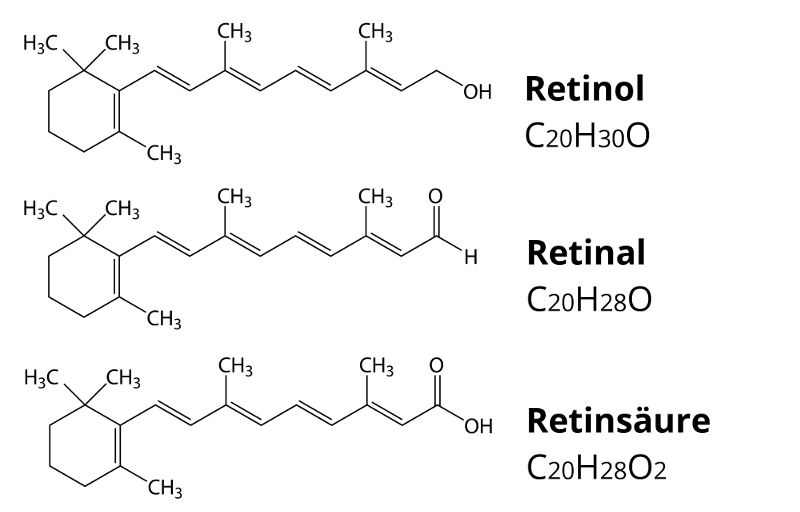
molecules that our bodies cannot produce themselves. The most important representatives include Retinol, Retinoic acid, Retinal and Retinyl palmitate. With the help of the body's own enzymes, these substances can be converted into one another.

Vitamin A is found in both animal- and plant-based foods. Animal products predominantly contain Retinol, which the human body can use immediately. Plants provide exclusively carotenes such as alpha-carotene, beta-carotene and beta-cryptoxanthin.

Since our bodies can convert them biochemically into retinal, these biomolecules are also referred to as provitamin A . Beta-carotene is the most widespread form of provitamin A in plant-based foods. To make the vitamin A content of plant- and animal-based foods comparable, nutrition experts introduced the term retinol equivalents (RE).

The following applies: 1 milligram RE = 1 milligram retinol = 6 milligrams beta-carotene

Vitamin A contributes:

  • to normal iron metabolism
  • to the maintenance of normal skin and normal mucous membranes
  • to the normal function of the immune system
  • to the maintenance of normal vision
  • and plays a role in cell specialization

How much vitamin A do children need?

According to the information provided by the German Nutrition Society (DGE), we need the following daily amounts of vitamin A in milligrams (mg):

Infants

  • 0 to under 4 months: 0.5 mg
  • 4 to under 12 months: 0.4 mg

Children

  • 1 to under 4 years: 0.3 mg
  • 4 to under 7 years: 0.35 mg
  • 7 to under 10 years: 0.8 mg
  • 10 to under 13 years: 0.6 mg
  • 13 to under 15 years: 0.7 mg (female), 0.8 mg (male)

Adolescents and adults

  • 15 to under 19 years: 0.8 mg (female), 0.95 mg (male)

Men: 0.85 mg

Women: 0.7 mg

Pregnant women: 0.9 mg

Breastfeeding women: 1.3 mg

Recommended intake of vitamin A and beta-carotene, expressed as retinol equivalents, as of 03/2021 [1]

There are currently three scientific studies that allow conclusions to be drawn about the nutritional situation of children in Germany: the VELS study, the EsKiMo II study and the National Nutrition Survey II. According to these studies, infants receive sufficient vitamin A through breast milk.

The situation is different for 1- to 4-year-olds. The average (median) barely reaches the DGE recommendations. This means: One in every two boys and one in every two girls between the ages of 1 and 4 in Germany has an insufficient vitamin A intake. [2]

Half of our children in the 6- to 11-year-old age group also consume too little of this valuable nutrient. [3] The situation is not quite as dramatic among 14- to 18-year-olds: only around one quarter of female and male teenagers fail to consume sufficient amounts of vitamin A. [4]

Where is vitamin A found?

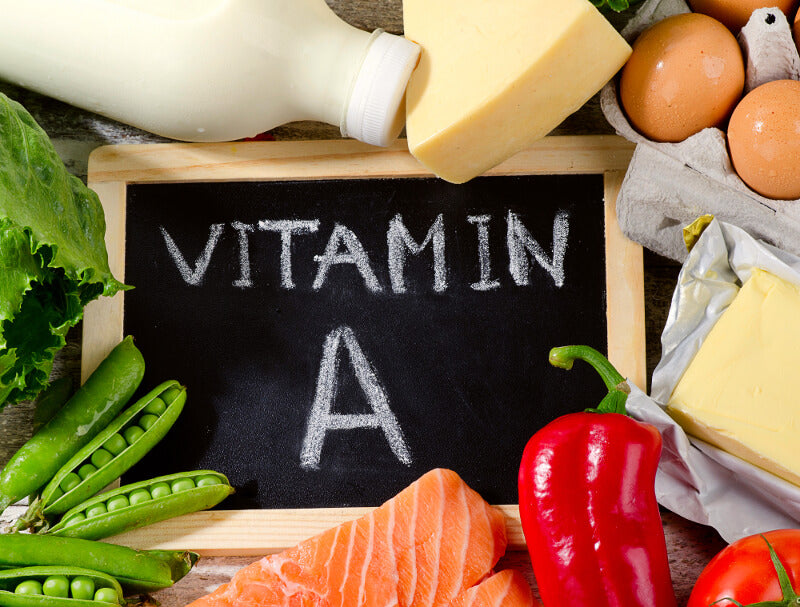
Vitamin A is found in animal products, vegetables, fruit, as well as fats and oils. The human body cannot produce this versatile nutrient itself; it must obtain it from food. The best sources of vitamin A include:

Meat & fish (RAE per 100 grams)

  • Pork liver – 36.00 mg
  • Cod-liver oil – 25.50 mg
  • Coarse liver sausage – 8.30 mg
  • Eel – 0.98 mg
  • Liver pâté – 0.95 mg
  • Tuna – 0.45 mg

Fruit & vegetables (RAE per 100 grams)

  • Carrots – 1.50 mg
  • Kale – 0.86 mg
  • Spinach – 0.80 mg
  • Honeydew melon – 0.78 mg
  • Lamb’s lettuce – 0.65 mg
  • Chicory – 0.57 mg

Fats & oils (RAE per 100 grams)

  • Palm oil – 4.30 mg
  • Butter – 0.65 mg
  • Margarine – 0.64 mg
  • Soybean oil – 0.58 mg

Retinol activity equivalents in various foods [5]

Children aged 4 to 7 can easily meet their daily vitamin A requirement of 0.7
milligrams by eating pork liver. A single meal containing 60 grams of liver is enough to store sufficient vitamin A for an entire month. Those who eat little meat or fish should drink a glass of carrot juice several times a week or eat honeydew melons.

If parents consistently follow these recommendations, vitamin A deficiency is not expected. However, children who follow a predominantly vegetarian diet face a certain risk. Especially if carrots are not regularly included in their diet, a vitamin A supplement may be worthwhile.

You can naturally find vitamin A in our products too, such as our Kids Complete Gummies.

Pflichthinweis: Nahrungsergänzungsmittel sind kein Ersatz für eine ausgewogene und abwechslungsreiche Ernährung und eine gesunde Lebensweise.

Quellenverzeichnis - Vitamin A - wowtamins Nutrient Guide

Entdecke unsere Vitamin-Gummies Kategorien