Skip to content

Vitamin C - wowtamins Nutrient Guide

Vitamin C - wowtamins Nutrient Guide
What is the importance of vitamin C for children and adults?

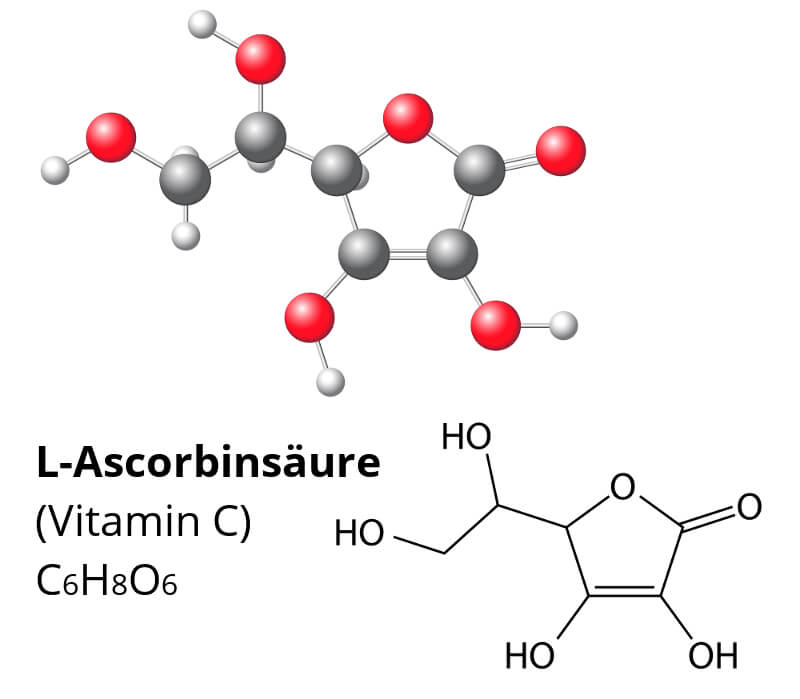
The term vitamin C refers to the chemical compound L-ascorbic acid and its natural derivatives with a similar effect on the human organism. This group also includes molecules such as dehydroascorbic acid, which is converted into L-ascorbic acid by the body's own enzymes.

L-ascorbic acid is a white, crystalline powder that dissolves well in water and has a sour taste. This valuable nutrient is highly sensitive to oxygen, light, and heat.

All plants and the vast majority of animal species are capable of producing vitamin C themselves. Like monkeys and guinea pigs, humans are unable to do so and must meet their nutrient requirements every day through their meals. Fresh vegetables and fruit are the best sources of vitamin C for children and adults.

Vitamin C contributes:

  • to the normal function of the immune system
  • to the normal function of the immune system during and after intense physical exercise
  • to normal collagen formation for the normal function of
    blood vessels, bones, teeth, gums, and skin
  • to normal collagen formation for the normal function of cartilage
  • to normal energy-yielding metabolism
  • to the normal function of the nervous system
  • to normal psychological function
  • to the reduction of tiredness and fatigue
  • to the regeneration of the reduced form of vitamin E
  • to the protection of cells from oxidative stress
  • and increases iron absorption

How much vitamin C do children need?

The German Nutrition Society (DGE) specifies the daily vitamin C requirements for adults and children. The following amounts in milligrams (mg) represent minimum values to prevent an inadequate supply:

Infants*

  • 0 to under 4 months: 20 mg
  • 4 to under 12 months: 20 mg

Children

  • 1 to under 4 years: 20 mg
  • 4 to under 7 years: 30 mg
  • 7 to under 10 years: 45 mg
  • 10 to under 13 years: 65 mg
  • 13 to under 15 years: 85 mg

Adolescents and adults

  • 15 to under 19 years: 90 mg (female), 105 mg (male)

Men: 110 mg

Women: 95 mg

Pregnant women: 105 mg

Breastfeeding women: 125 mg

Daily minimum amount of vitamin C, as of 03/2024. [1]
* Estimated values

According to the two major nutrition studies EsKiMo and VELS in Germany, one in four children between 6 and 17 years of age consumes too little vitamin C through their diet. [2] Among girls and boys between 1 and 4 years of age, the inadequate intake is even more pronounced:

At least 50 percent of our youngest children do not meet the official reference values for vitamin C. [3]

Where is vitamin C found?

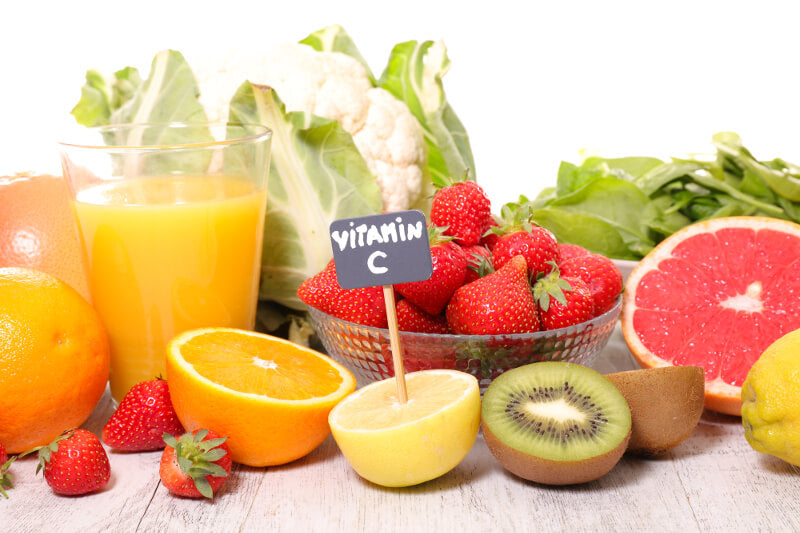
Higher concentrations of L-ascorbic acid are found in various vegetables and fruits. Since vitamin C is one of the essential nutrients for humans, we need to obtain it from food every day.

Fruit & vegetables (per 100 grams)

  • Rosehip – 1250 mg
  • Sea buckthorn berry – 450 mg
  • Blackcurrant – 189 mg
  • Bell pepper – 140 mg
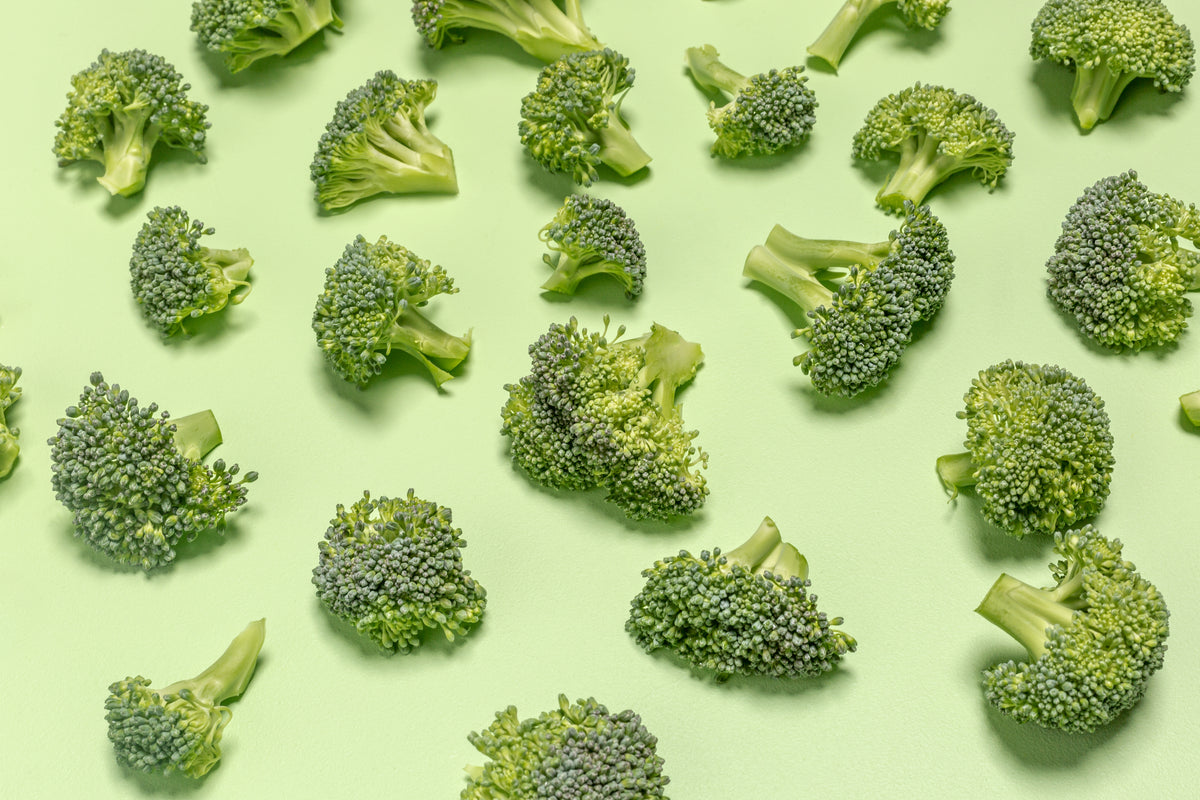
  • Broccoli – 115 mg
  • Horseradish – 114 mg
  • Brussels sprouts – 112 mg
  • Kale – 105 mg
  • Cauliflower – 71 mg
  • Kiwi – 71 mg
  • Spinach – 51 mg
  • Oranges – 47 mg

Vitamin C content in various foods. [4]

Children between 4 and 7 years of age can best meet their daily vitamin C requirements with fruit. A glass (100 ml) of freshly squeezed orange juice or a small kiwi for breakfast is already enough to reach the DGE reference value.

Those who prefer to use broccoli, spinach, or cauliflower should note that vitamin C is quickly destroyed by heat. It is best to steam the vegetables only briefly when preparing them.

According to the American health authority (NIH), there is generally no risk of our children developing a vitamin C deficiency. Infants who receive boiled cow's milk (fresh milk) instead of breast milk may become undersupplied.. [5]

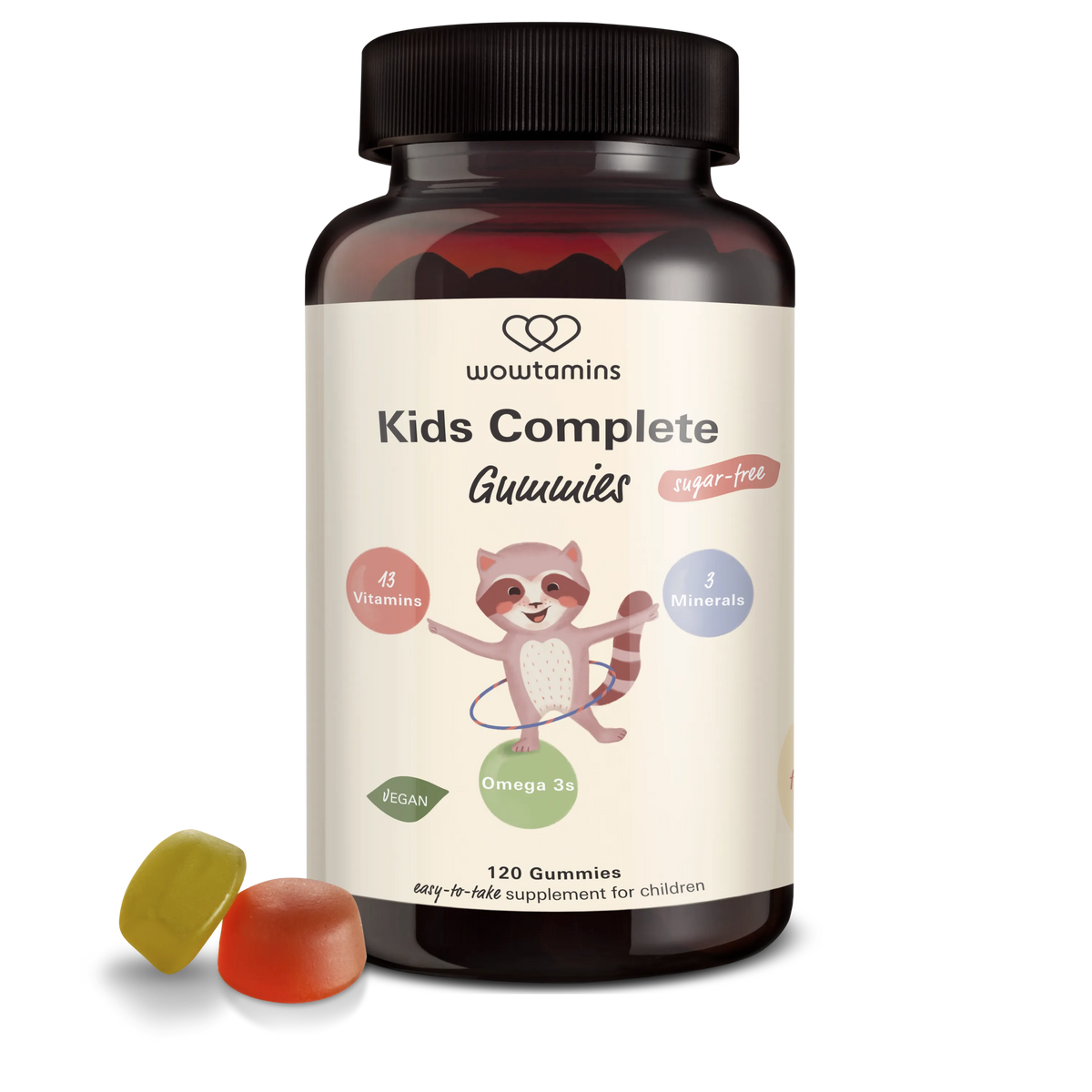
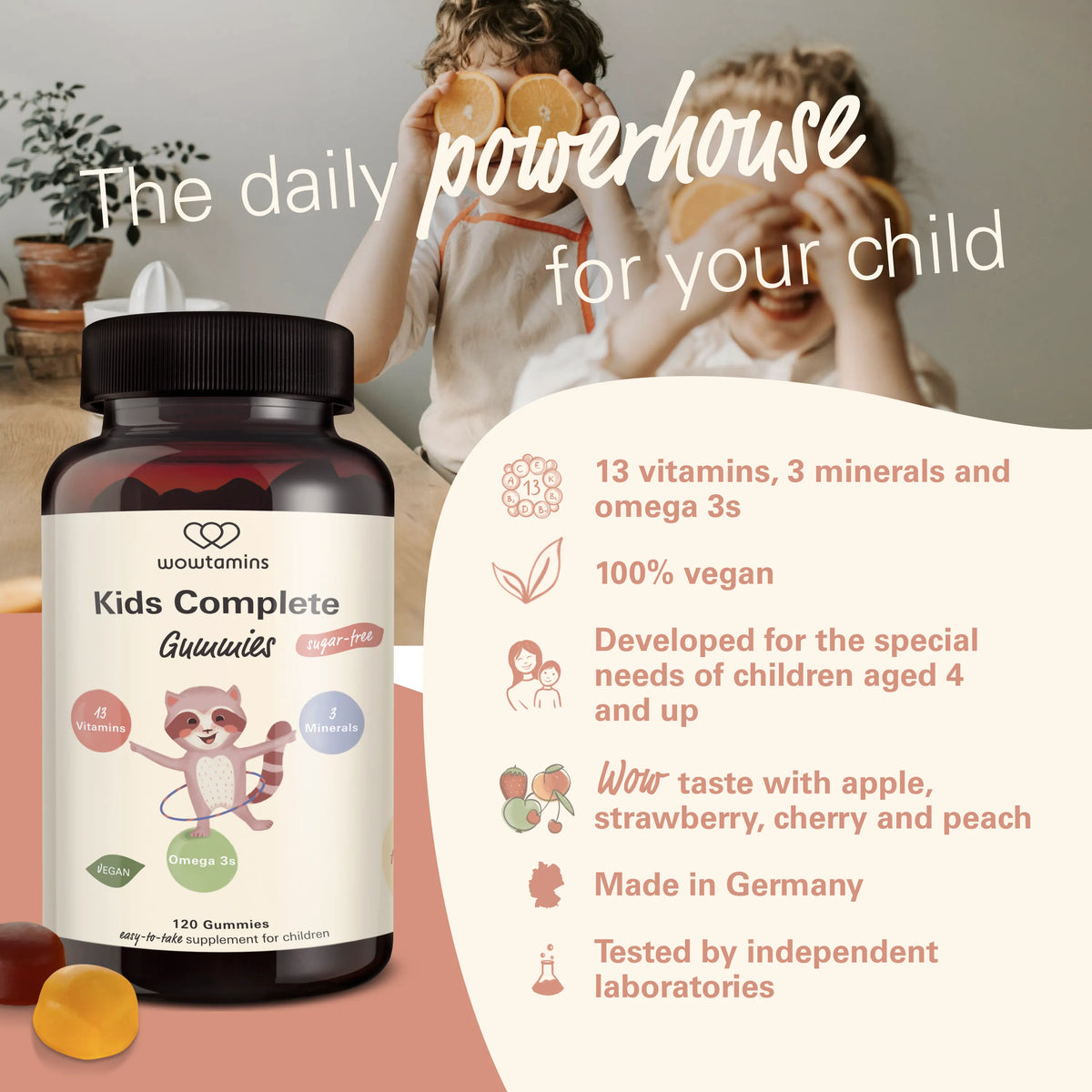
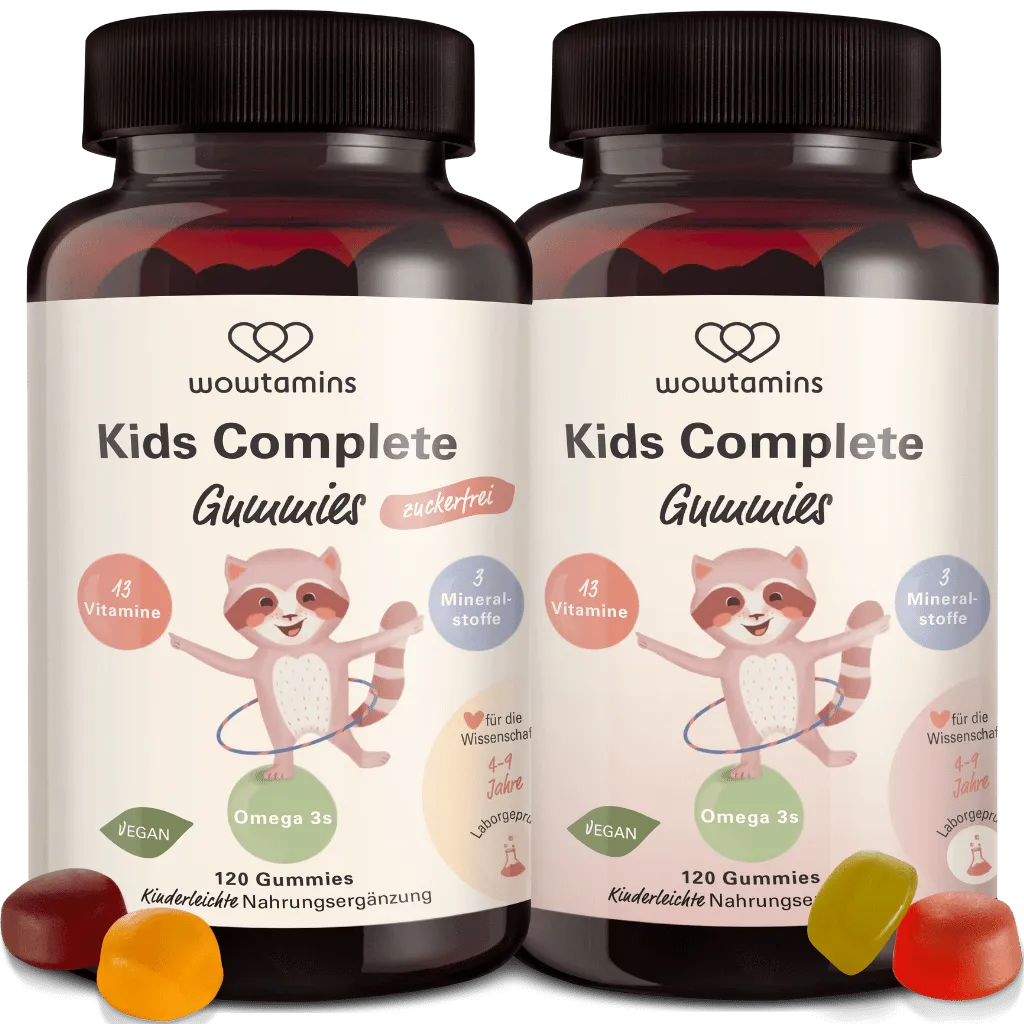
You can of course also find vitamin C in our products, such as the Kids Complete Gummies.

Mandatory notice: Food supplements are not a substitute for a balanced and varied diet and a healthy lifestyle.

List of sources - Vitamin C - wowtamins Nutrient Guide
Discover our vitamin gummy categories