Skip to content

Vitamin K2 - wowtamins Nutrient Guide

Vitamin K2 - wowtamins Nutrient Guide
What is the importance of vitamin K for children and adults?

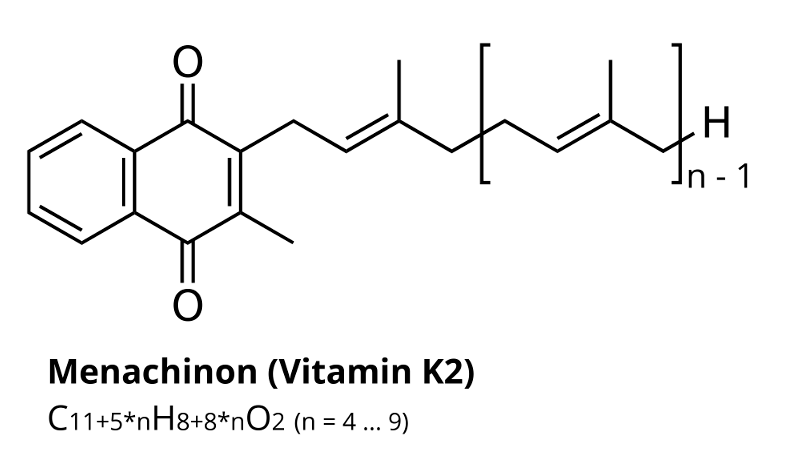
The term vitamin K does not refer to a single vitamin, but to a family of fat-soluble nutrients with a similar structure. The most important representatives include vitamin K1 (phylloquinone), vitamin K2 (menaquinone), and synthetically produced vitamin K3 (menadione).

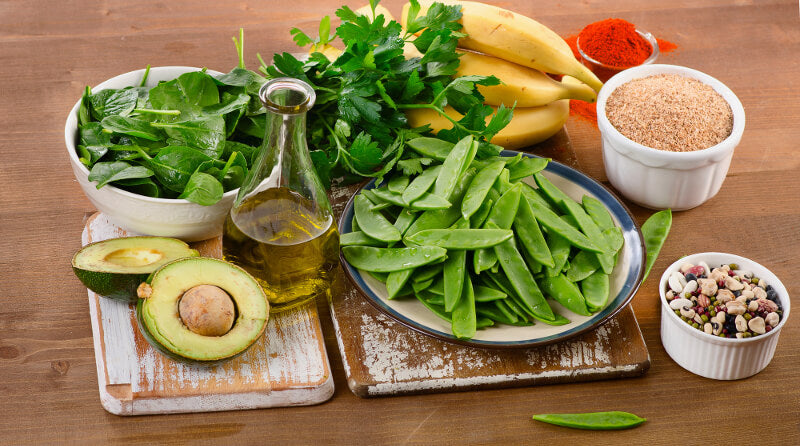
The letter K stands for coagulation (blood clotting). Phylloquinone, the best-known member of the vitamin K family, is found in plants and algae. The highest nutrient concentrations are found in green leafy vegetables.

Vitamin K2 is produced exclusively by bacteria. In healthy people, the gut flora supplies part of the daily requirement. Current studies show that our bodies can obtain small amounts of menaquinone by converting vitamin K1 and other forms of vitamin K. [1]

Vitamin K contributes

  • to the maintenance of normal bones
  • to normal blood clotting

How much vitamin K do children need?

According to the results of a study from 2007, children and
adolescents in Germany get enough vitamin K from their diet. [2] According to the German Nutrition Society (DGE), the following daily amounts are sufficient to meet requirements. However, neither the study nor the DGE figures distinguish between vitamin K1 and K2.

Infants

  • 0 to under 4 months: 4 µg
  • 4 to under 12 months: 10 µg

Children

  • 1 to under 4 years: 15 µg
  • 4 to under 7 years: 20 µg
  • 7 to under 10 years: 30 µg
  • 10 to under 13 years: 40 µg
  • 13 to under 15 years: 50 µg

Adolescents and adults

  • 15 to under 19 years: 60 µg (female), 70 µg (male)

Men: 70 to 80 µg

Women: 60 to 65 µg

Pregnant women: 60 µg

Breastfeeding women: 60 µg

Vitamin K: Estimated values for an adequate daily intake, as of 03/2024. [3]

The exact vitamin K requirements of children and adults are not known. Therefore, the DGE recommendations merely represent an estimate.

Foods with Vitamin K2 and K1: Where Are They Found?

While vitamin K1 is found mainly in green leafy vegetables and legumes, meat, dairy products, and fermented foods contain vitamin K2. Both nutrients are essential for us, so we should regularly obtain them through our diet.

Vitamin K1 from fruit, vegetables & grains (per 100 grams)

  • Kale – 817 µg
  • Spinach – 305 µg
  • Chickpeas – 264 µg
  • Brussels sprouts – 236 µg
  • Broccoli – 155 µg
  • Lentils – 123 µg
  • Lettuce – 109 µg
  • Rose hips – 92 µg
  • Wheat bran – 83 µg
  • Oatmeal – 63 µg
  • Pistachio kernels – 60 µg
  • Cauliflower – 57 µg
  • Asparagus – 39 µg
  • Kiwi – 33 µg

Vitamin K2 from fermented foods & animal products (per 100 grams)

  • Natto (fermented soybeans) – 1103 µg
  • Hard cheese – 76 µg
  • Brie – 57 µg
  • Pork liver – 56 µg
  • Eel – 40 µg
  • Chicken egg – 32 µg
  • Butter – 15 µg
  • Chicken breast – 9 µg
  • Beef – 8 µg
  • Sauerkraut – 5 µg

Vitamin K content in plant-based and animal-based foods. [4, 5]

Children aged 4 to 7 can easily follow the recommendations of the German Nutrition Society. Two to three meals per week with broccoli, cauliflower, or spinach are sufficient to provide the necessary amounts of vitamin K1.

Meeting vitamin K2 requirements, however, is considerably more difficult. Only when cheese, chicken eggs, liver, and meat are regularly served can children and adults reach the official reference values.

Did you know that vitamin K2 is also contained in our delicious Vitamin D3 + K2 Gummies ?

As an alternative, there is the traditional Japanese food Natto, which some Western palates may first need to get used to. For boys and girls between 7 and 10 years old, just 20 grams of natto per week covers their entire vitamin K2 requirement.

Mandatory notice: Food supplements are not a substitute for a balanced and varied diet and a healthy lifestyle.

List of sources - Vitamin K2 - wowtamins Nutrient Guide

Discover our vitamin gummy categories