Skip to content

Vitamin B6 - wowtamins Nutrient Guide

Vitamin B6 - wowtamins Nutrient Guide
What is the significance of vitamin B6 for children and adults?

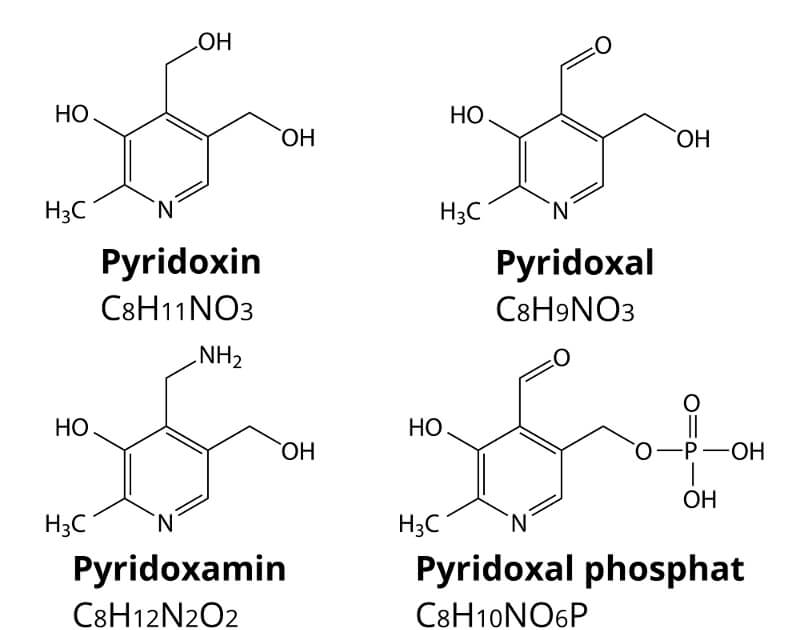
The valuable nutrient vitamin B6 occurs in food in three very similar forms: Pyridoxine, Pyridoxal and Pyridoxamine. Our body cannot use these compounds directly; it must first activate them in the liver. The biologically active form of vitamin B6 is called pyridoxal 5-phosphate (P5P).

P5P participates in numerous metabolic processes and is therefore one of the most important cofactors (helper molecules that regulate the effectiveness of the body's enzymes) for humans. More than 140 enzymes require the support of P5P to perform their vital functions.

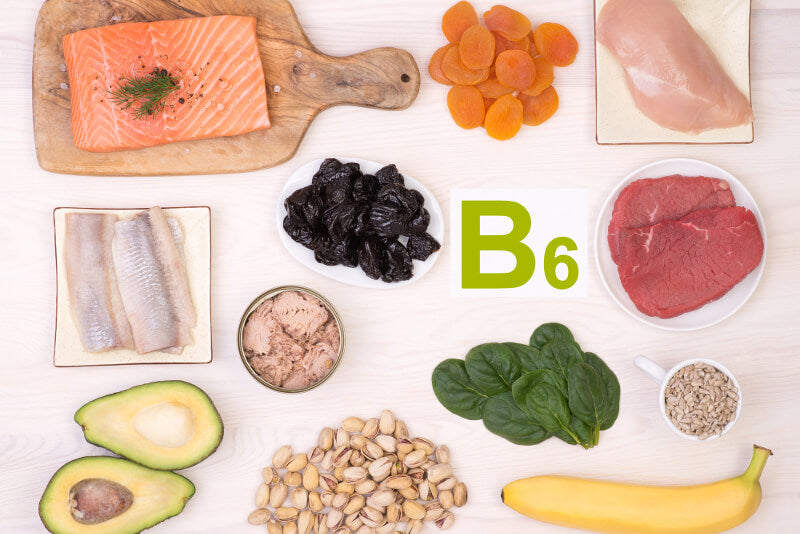
Vitamin B6 is found in many animal- and plant-based foods. Some of the best sources include fish, meat, nuts, avocados, and legumes. All forms of this versatile nutrient are water-soluble and break down quickly when exposed to heat.

Vitamin B6 contributes

  • to normal energy-yielding metabolism
  • to the reduction of tiredness and fatigue
  • to the normal function of the immune system
  • to the normal functioning of the nervous system
  • to normal psychological function
  • to the regulation of hormonal activity
  • to the normal formation of red blood cells
  • to normal protein, glycogen, and homocysteine metabolism
  • to normal cysteine synthesis

How much vitamin B6 do children need?

The German Nutrition Society has established the following minimum amounts of vitamin B6 in milligrams (mg).

Infants

  • 0 to under 4 months: 0.1 mg
  • 4 to under 12 months: 0.3 mg

Children

  • 1 to under 4 years: 0.6 mg
  • 4 to under 7 years: 0.7 mg
  • 7 to under 10 years: 1.0 mg
  • 10 to under 13 years: 1.2 mg
  • 13 to under 15 years: 1.4 mg (female), 1.5 mg (male)

Adolescents and adults

  • 15 to under 19 years: 1.4 mg (female), 1.6 mg (male)

Men: 1.6 mg

Women: 1.4 mg

Pregnant women: 1.5 to 1.8 mg

Breastfeeding women: 1.6 mg

Minimum daily intake of vitamin B6, as of 03/2024 [1]

Two major German nutrition studies show that children are well supplied with pyridoxine. In the 1-to-4 and 6-to-11 age groups, boys and girls consume an average of twice as much vitamin B6 from food as recommended by the German Nutrition Society. [2, 3]

Warning:
The two cited nutrition studies used the German Nutrition Society’s old daily recommendations as their basis, which have since been noticeably increased. Nevertheless, it can still be assumed that the average child meets the daily minimum amounts.

Where is vitamin B6 found?

Both plant-based and animal foods provide significant amounts of vitamin B6. The best sources of this nutrient include:

Meat & fish (per 100 g)

  • Salmon – 0.98 mg
  • Sardines – 0.97 mg
  • Mackerel – 0.63 mg
  • Pork liver – 0.59 mg
  • Pork chop – 0.59 mg
  • Goose – 0.58 mg
  • Beef – 0.50 mg
  • Chicken – 0.50 mg
  • Tuna – 0.46 mg
  • Herring – 0.45 mg

Nuts, fruit & vegetables (per 100 g)

  • Soybeans – 1.00 mg
  • Walnuts – 0.87 mg
  • Wheat bran – 0.73 mg
  • Lentils – 0.60 mg
  • Sunflower seeds – 0.60 mg
  • Chickpeas – 0.54 mg
  • Peanuts – 0.44 mg
  • Bananas – 0.37 mg
  • Avocados – 0.30 mg
  • Potatoes – 0.30 mg
  • Carrots – 0.30 mg

Vitamin B6 content of different foods [4, 5]

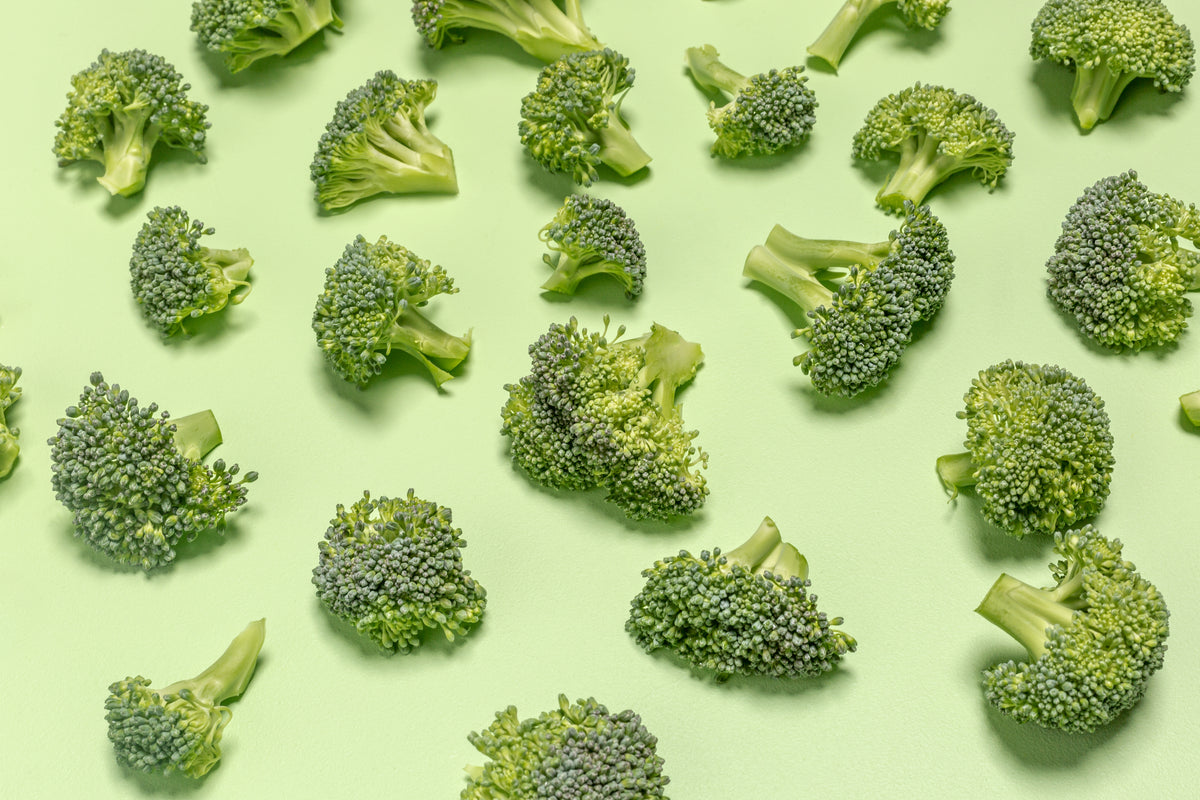
For an adequate supply for children aged 4 to 7, one meal containing 80 grams of pork chop, one potato, and 100 grams of broccoli is sufficient. Half an avocado and a banana are also enough to meet the DGE reference values.

Since cooking can result in the loss of up to 30 percent of the vitamin B6 content, hot meals should be prepared as gently as possible. In addition, frozen products contain only about half the vitamin B6 content listed in the official tables.

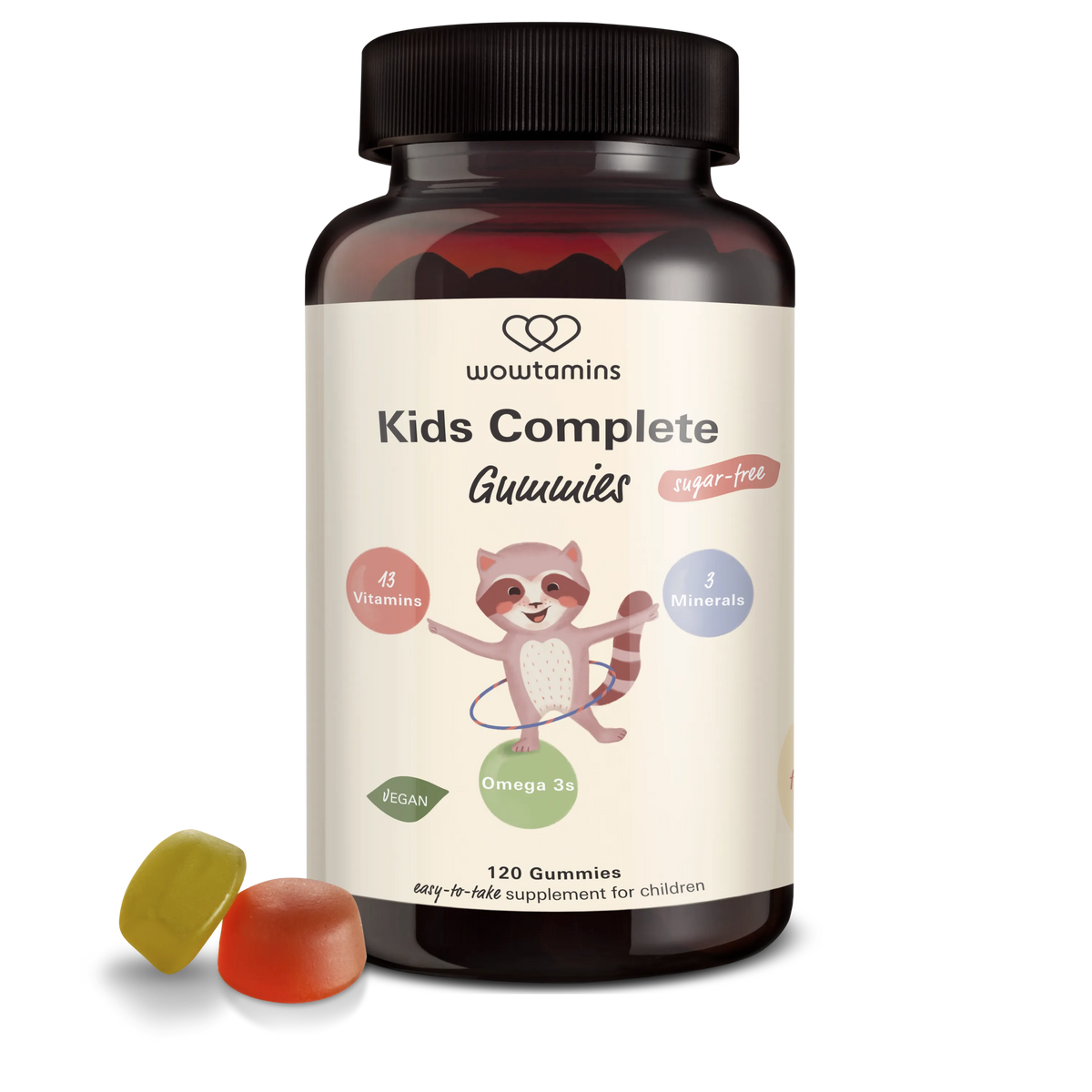
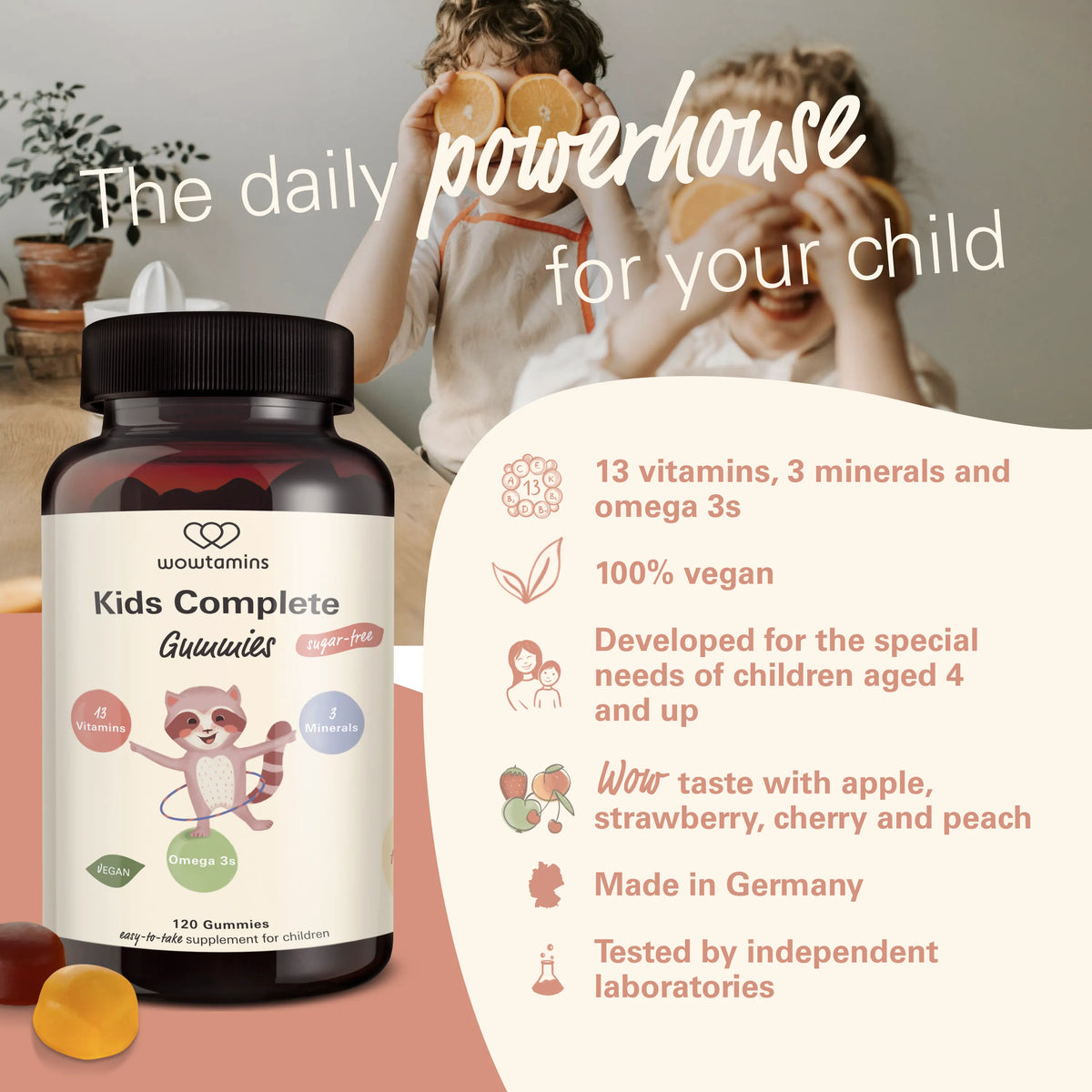
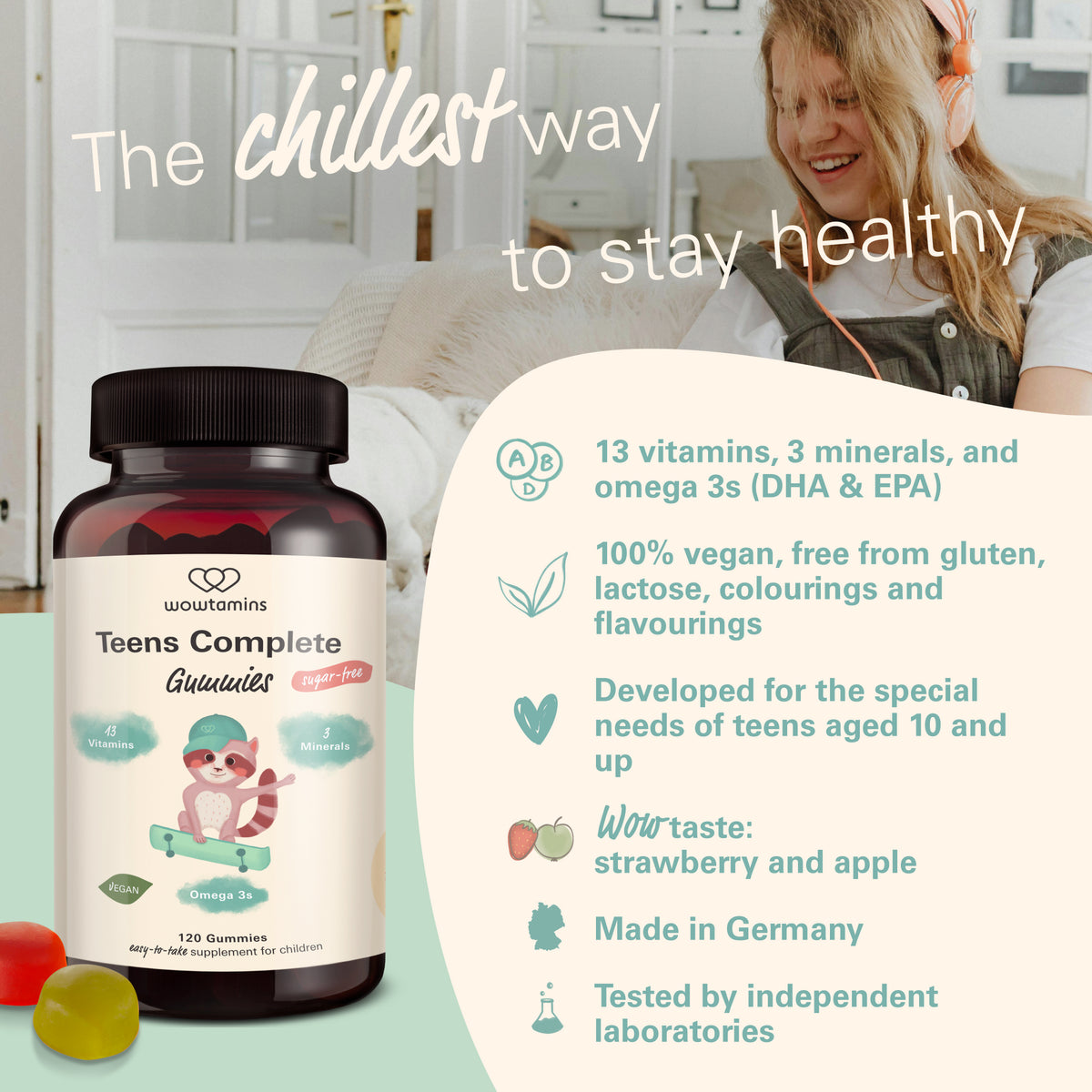
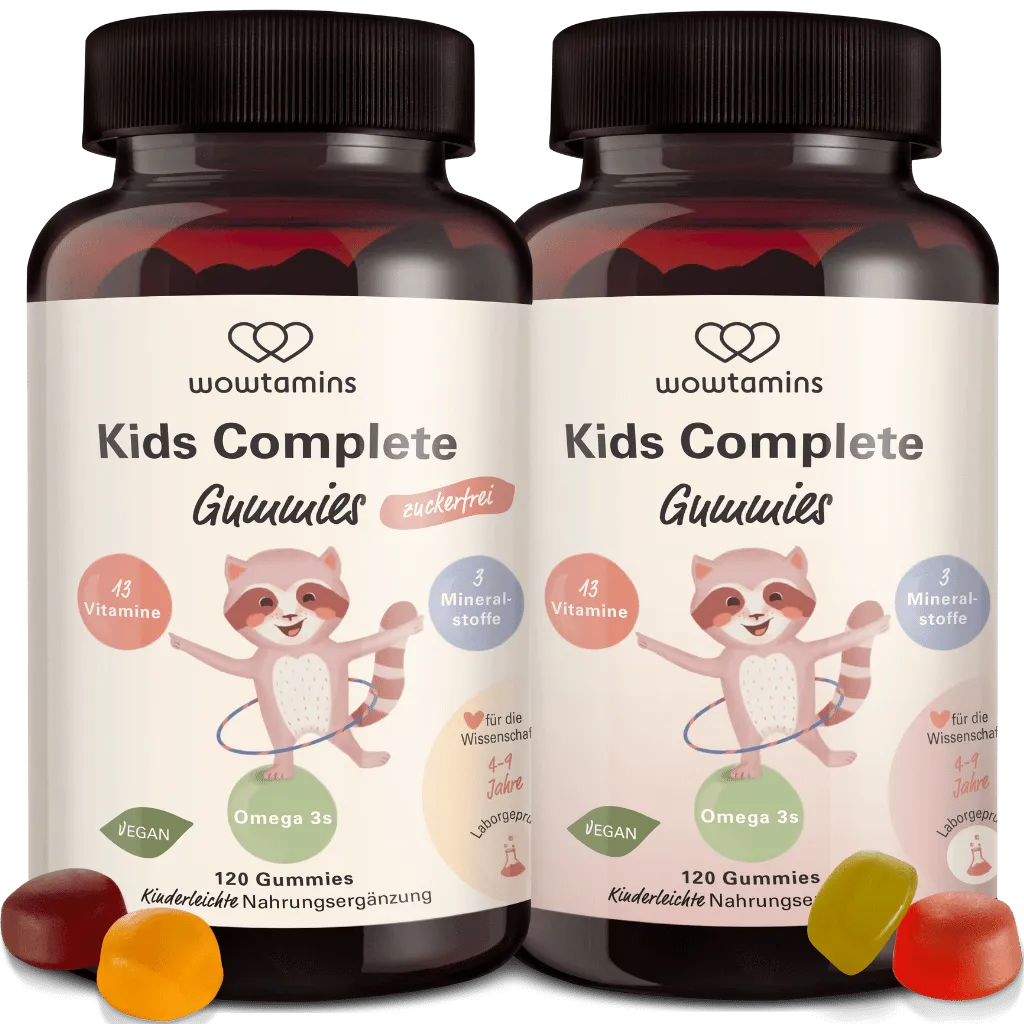
Vitamin B6 is found in many different foods, so deficiency is very rare in healthy children. Patients with kidney problems and autoimmune diseases such as celiac disease, Crohn’s disease or ulcerative colitis however, have a significantly higher requirement and benefit from a vitamin B6-containing dietary supplement such as Kids Complete Gummies.

Mandatory notice: Food supplements are not a substitute for a balanced and varied diet and a healthy lifestyle.

List of sources - Vitamin B6 - wowtamins Nutrient Guide

Discover our vitamin gummy categories