Skip to content

Riboflavin - wowtamins Nutrient Guide

Riboflavin - wowtamins Nutrient Guide
What is the significance of riboflavin for children and adults?

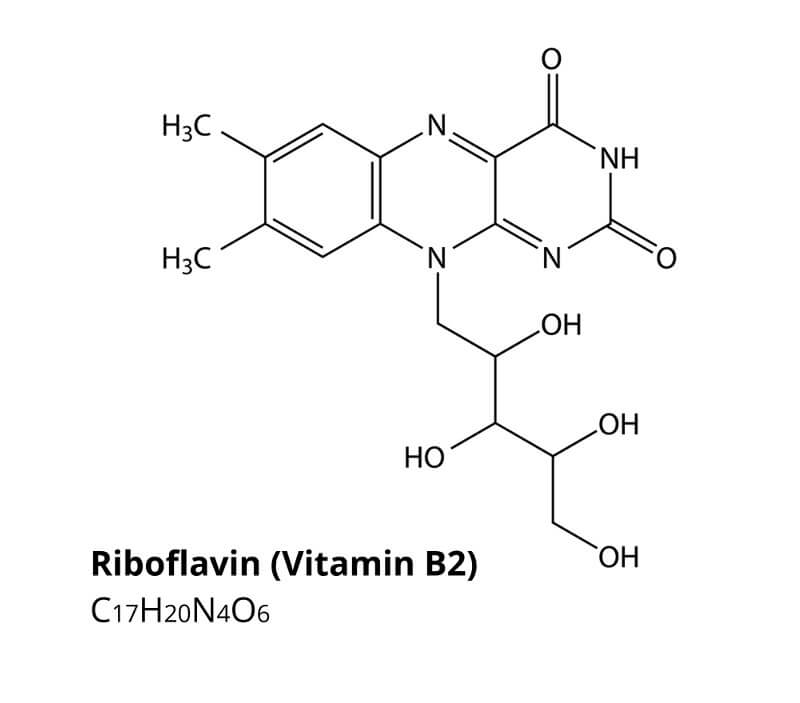
The yellow plant pigment riboflavin is a heat-stable organic compound that remains unaffected even during prolonged cooking. When this biomolecule is exposed to daylight, it is completely broken down after only a short time.

Riboflavin is also known as vitamin B2. Although this vital nutrient is poorly soluble in water, it is classified as a water-soluble vitamin.

Riboflavin contributes

  • to the reduction of tiredness and fatigue
  • to normal energy-yielding metabolism
  • to the maintenance of normal red blood cells
  • to the normal functioning of the nervous system
  • to the maintenance of normal vision
  • to normal iron metabolism
  • to the maintenance of normal skin and normal mucous membranes

In addition, riboflavin helps protect cells from oxidative stress.

How much riboflavin do children need?

According to the German Nutrition Society (DGE), the riboflavin requirement in milligrams (mg) for adults and children is as follows:

Infants

  • 0 to under 4 months: 0.3 mg*
  • 4 to under 12 months: 0.4 mg

Children

  • 1 to under 4 years: 0.7 mg
  • 4 to under 7 years: 0.8 mg
  • 7 to under 10 years: 0.9 mg (female), 1.0 mg (male)
  • 10 to under 13 years: 1.0 mg (female), 1.1 mg (male)
  • 13 to under 15 years: 1.1 mg (female), 1.4 mg (male)

Adolescents and adults

  • 15 to under 19 years: 1.2 mg (female), 1.6 mg (male)

Men: 1.3–1.4 mg

Women: 1.0–1.1 mg

Pregnant women: 1.3 to 1.4 mg

Breastfeeding women: 1.4 mg

Minimum daily intake of riboflavin, as of 03/2024. [1]

* Estimated value

In the recent past, three extensive studies were conducted in Germany to determine the nutritional status of adults and children: the National Nutrition Survey II, the EsKiMostudy and the VELSstudy. The first two studies produced similar results in the respective age groups.

Accordingly, 25 percent of boys and more than one in four girls aged 6 to 11 do not reach the recommended minimum amounts of riboflavin. Among 12- to 17-year-olds, 25 percent of girls and 20 percent of boys have an inadequate intake of vitamin B2. [2, 3]

According to the results of the VELS study, the average daily intake of our offspring aged 1 to 4 years is more than 100 percent of the DGE recommendation. Looking at the data more closely, it can be seen that more than a quarter of 4-year-old children do not consume enough vitamin B2. [4]

Where is riboflavin found?

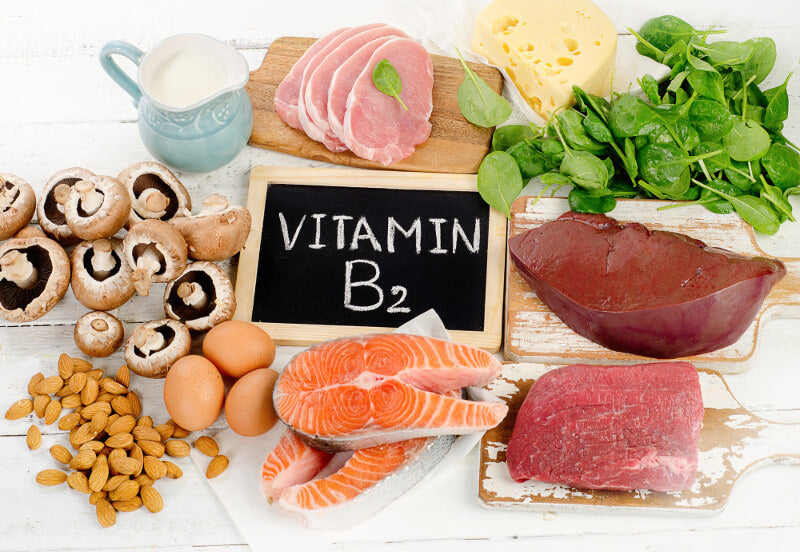
A wide variety of animal and plant-based foods contain riboflavin. The best sources of this nutrient include:

Meat & fish (per 100 grams)

  • Pork liver – 3.17 mg
  • Beef liver – 3.09 mg
  • Chicken liver – 2.49 mg
  • Pollock – 0.35 mg
  • Mackerel – 0.35 mg
  • Eel – 0.32 mg
  • Pork tenderloin – 0.31 mg
  • Beef – 0.26 mg

Dairy products & eggs (per 100 grams)

  • Camembert – 0.56 mg
  • Brie – 0.52 mg
  • Egg – 0.35 mg
  • Low-fat quark – 0.31 mg
  • Edam – 0.3 mg
  • Whole milk – 0.18 mg

Vegetables & grains (per 100 grams)

  • Wheat bran – 0.51 mg
  • Soybeans – 0.5 mg
  • Porcini mushrooms – 0.37 mg
  • Peas – 0.27 mg
  • Lentils – 0.26 mg
  • Chanterelle mushrooms – 0.23 mg
  • Spinach – 0.2 mg
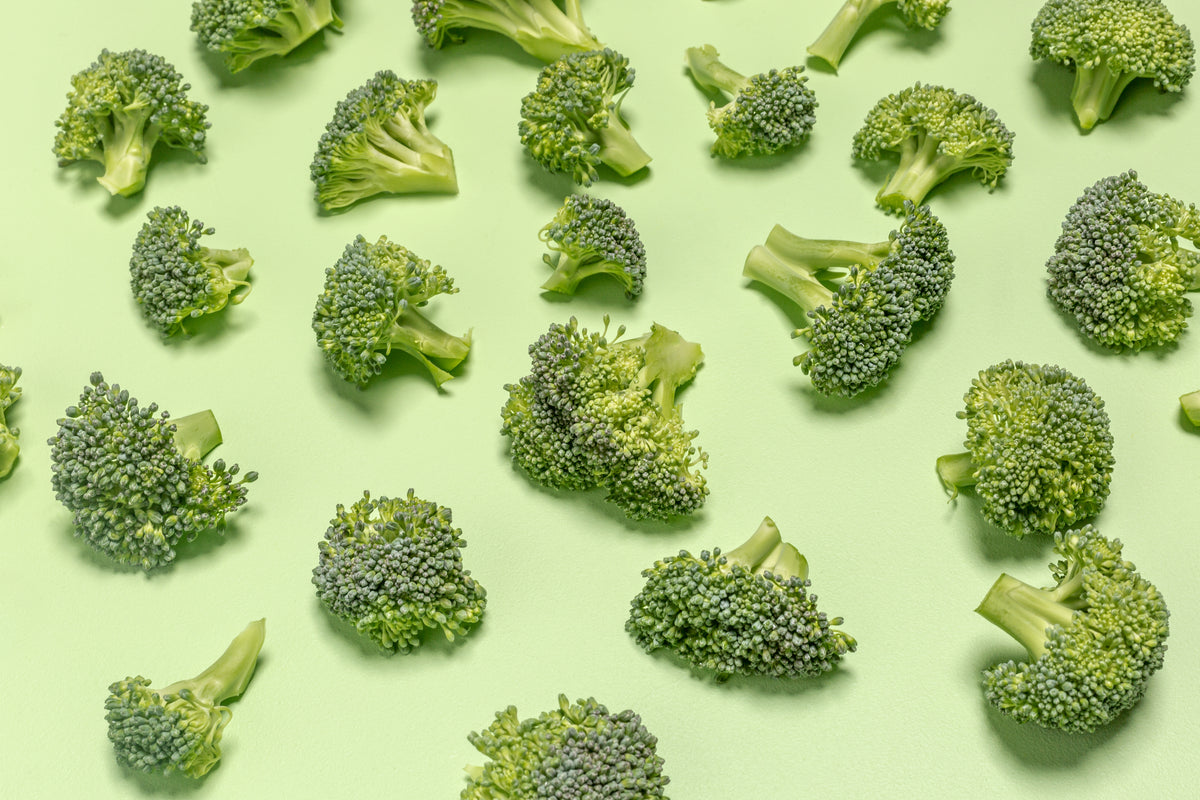
  • Broccoli – 0.2 mg
  • Kale – 0.2 mg

Riboflavin content in selected foods. [5, 6, 7]

Children aged 4 to under 7 can meet their vitamin B2 requirements for two days with a small portion (50 grams) of beef or pork liver. In the morning, a glass of whole milk, a bread roll with Edam, and a chicken egg are almost enough for a child to reach the recommended daily amount set by the DGE.

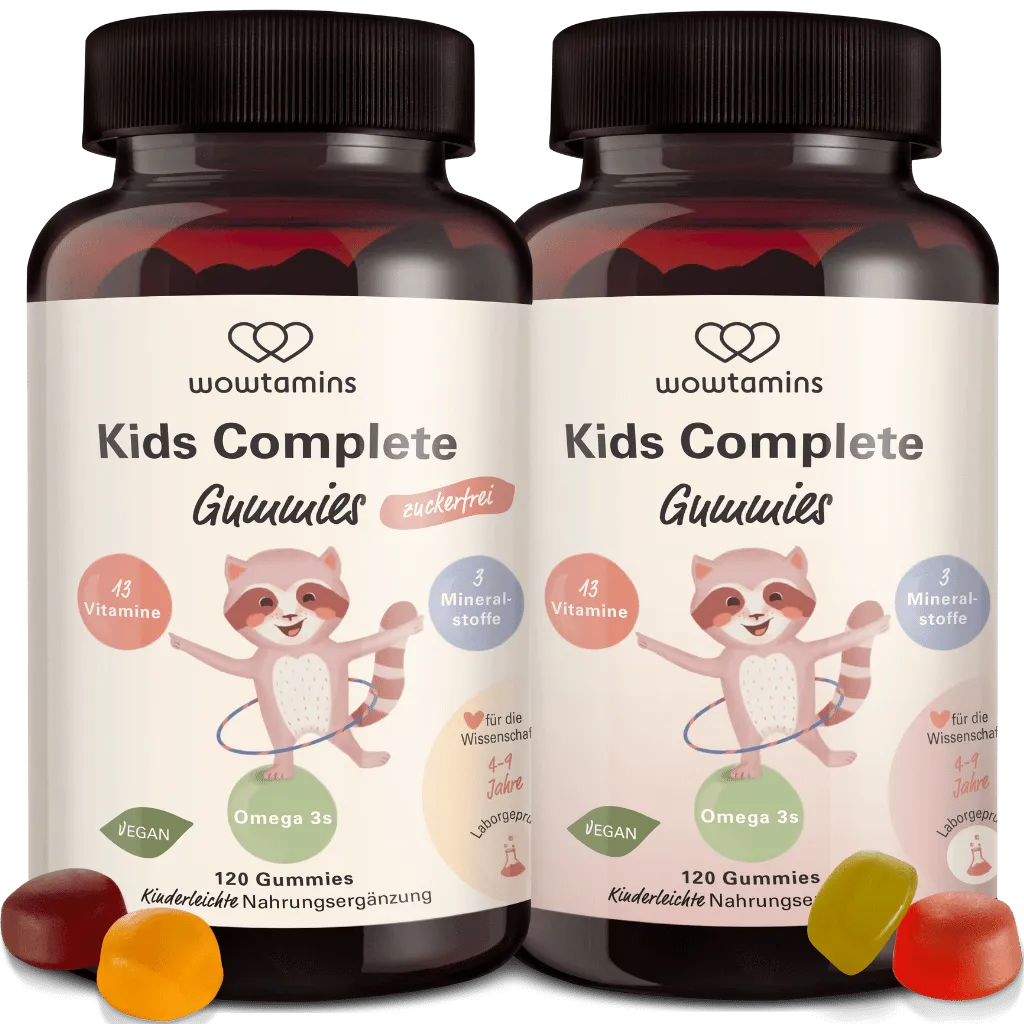
Riboflavin is naturally found in our products too, such as Kids Complete Gummies.

Mandatory notice: Food supplements are not a substitute for a balanced and varied diet and a healthy lifestyle.

List of sources - Riboflavin - wowtamins Nutrient Guide

Discover our vitamin gummy categories