Skip to content

Niacin - wowtamins Nutrient Guide

Niacin - wowtamins Nutrient Guide
What is the importance of niacin for children and adults?

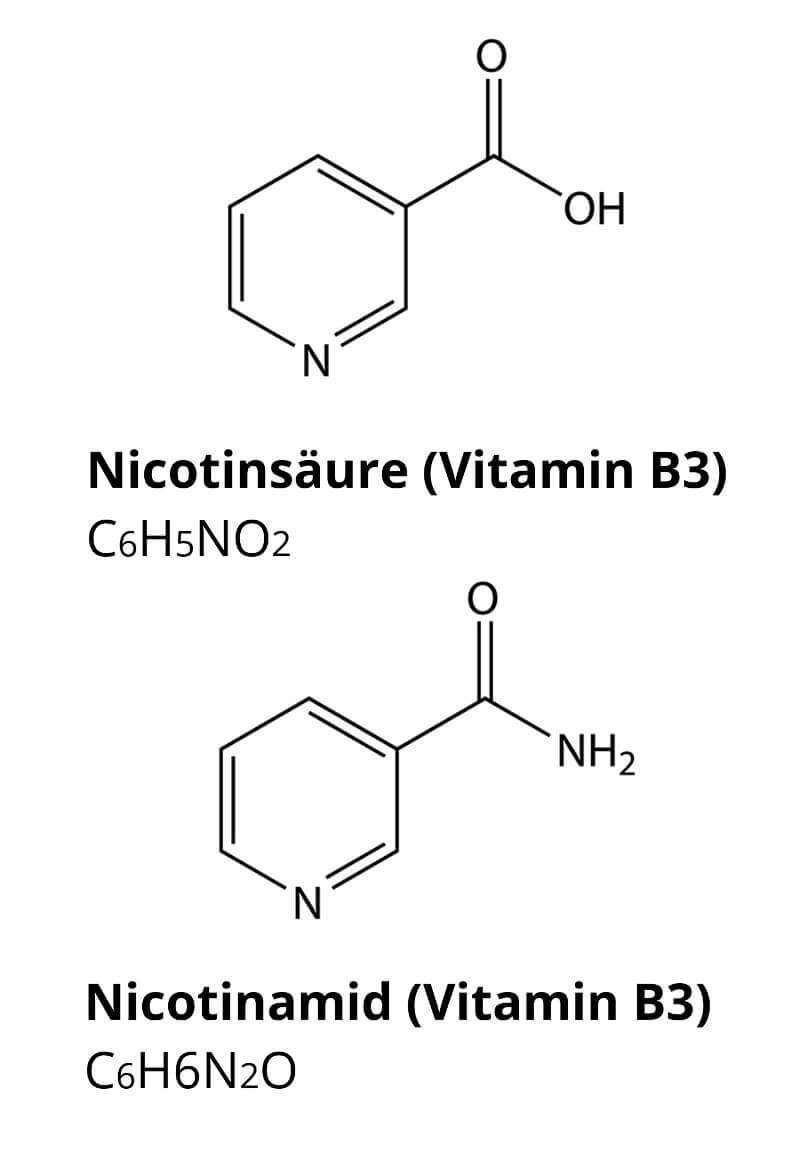
The term niacin refers to the vital nutrient vitamin B3, also known in specialist circles as nicotinic acid . This crystalline solid dissolves well in water. Sunlight, oxygen, and prolonged exposure to heat do not affect it.

Just like vitamin D3 , niacin is not an essential nutrient for humans. The reason is that our body produces both compounds itself. The amino acid tryptophan serves as the starting material for the synthesis of vitamin B3.

To convert the amounts obtained from food and produced by the body, biochemists coined the term niacin equivalents .

The following applies: 1 milligram (mg) niacin equivalents = 1 mg niacin = 60 mg tryptophan [1]

Niacin contributes

  • to the reduction of tiredness and fatigue
  • to normal energy-yielding metabolism
  • to normal psychological function
  • to the normal function of the nervous system
  • to the maintenance of normal skin and normal mucous membranes

How much niacin do children need?

According to the recommendations of the German Nutrition Society (DGE), we should consume vitamin B3 every day. To avoid a deficiency, children and adults need the following amounts of niacin:

Infants

  • 0 to under 4 months: 2 mg*
  • 4 to under 12 months: 5 mg

Children

  • 1 to under 4 years: 8 mg
  • 4 to under 7 years: 9 mg
  • 7 to under 10 years: 10 mg (female), 11 mg (male)
  • 10 to under 13 years: 11 mg (female), 13 mg (male)
  • 13 to under 15 years: 13 mg (female), 15 mg (male)

Adolescents and adults

  • 15 to under 19 years: 13 mg (female), 17 mg (male)

Men: 14–16 mg

Women: 11–13 mg

Pregnant women: 14 to 16 mg

Breastfeeding women: 16 mg

Required milligram equivalents of niacin per day, as of 03/2024. [2]
* Estimated value

According to the two major nutrition studies VELS and EsKiMo , children and adolescents in Germany consume sufficient vitamin B3 on average through their diet. [3, 6] A deficiency therefore occurs only rarely.

Where is niacin found?

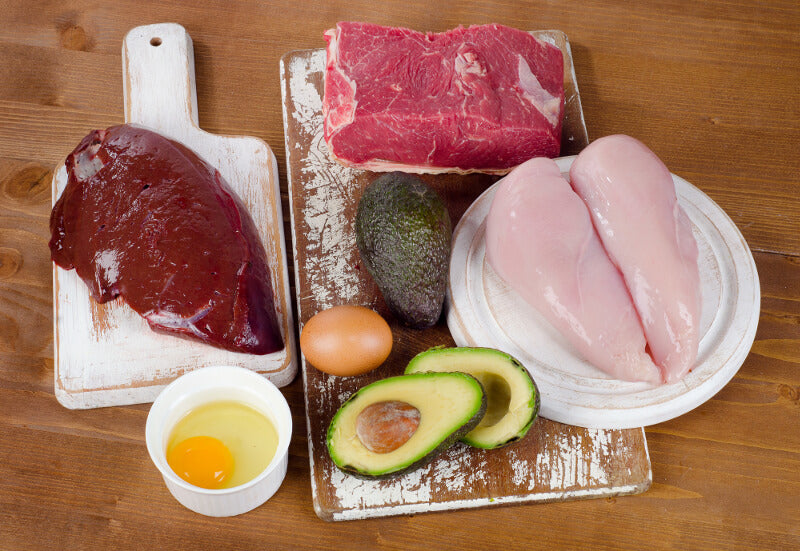
Both animal and plant-based products are suitable sources of niacin. Vegans and vegetarians generally have no difficulty meeting their daily requirements either. The best sources of this nutrient include:

Meat & fish (per 100 grams)

  • Pork liver – 15.7 mg
  • Beef liver – 14.7 mg
  • Chicken liver – 11.4 mg
  • Tuna – 8.5 mg
  • Mackerel – 7.7 mg
  • Beef – 7.5 mg
  • Chicken – 6.8 mg
  • Halibut – 5.9 mg

Vegetables & grains (per 100 grams)

  • Wheat bran – 17.7 mg
  • Peanuts – 15.3 mg
  • Chanterelles – 6.5 mg
  • Brown rice – 5.2 mg
  • Sesame – 5 mg
  • Porcini mushrooms – 4.9 mg
  • Button mushrooms – 4.7 mg
  • Sunflower seeds – 4.1 mg
  • Peas – 2.8 mg
  • Soybeans – 2.5 mg

Niacin equivalents in various foods. [4, 5, 6]

A meal consisting of 50 grams of beef liver, 80 grams of brown rice, and a small portion of peas is already enough for a child aged 7 to under 10 to get sufficient vitamin B3. When cooking, you should note that niacin passes into the cooking water, which can lead to nutrient losses when preparing vegetables and rice.

If you then add the water back to the food, this disadvantage can easily be avoided. The cooking process itself is not a problem, as niacin is extremely heat-stable.

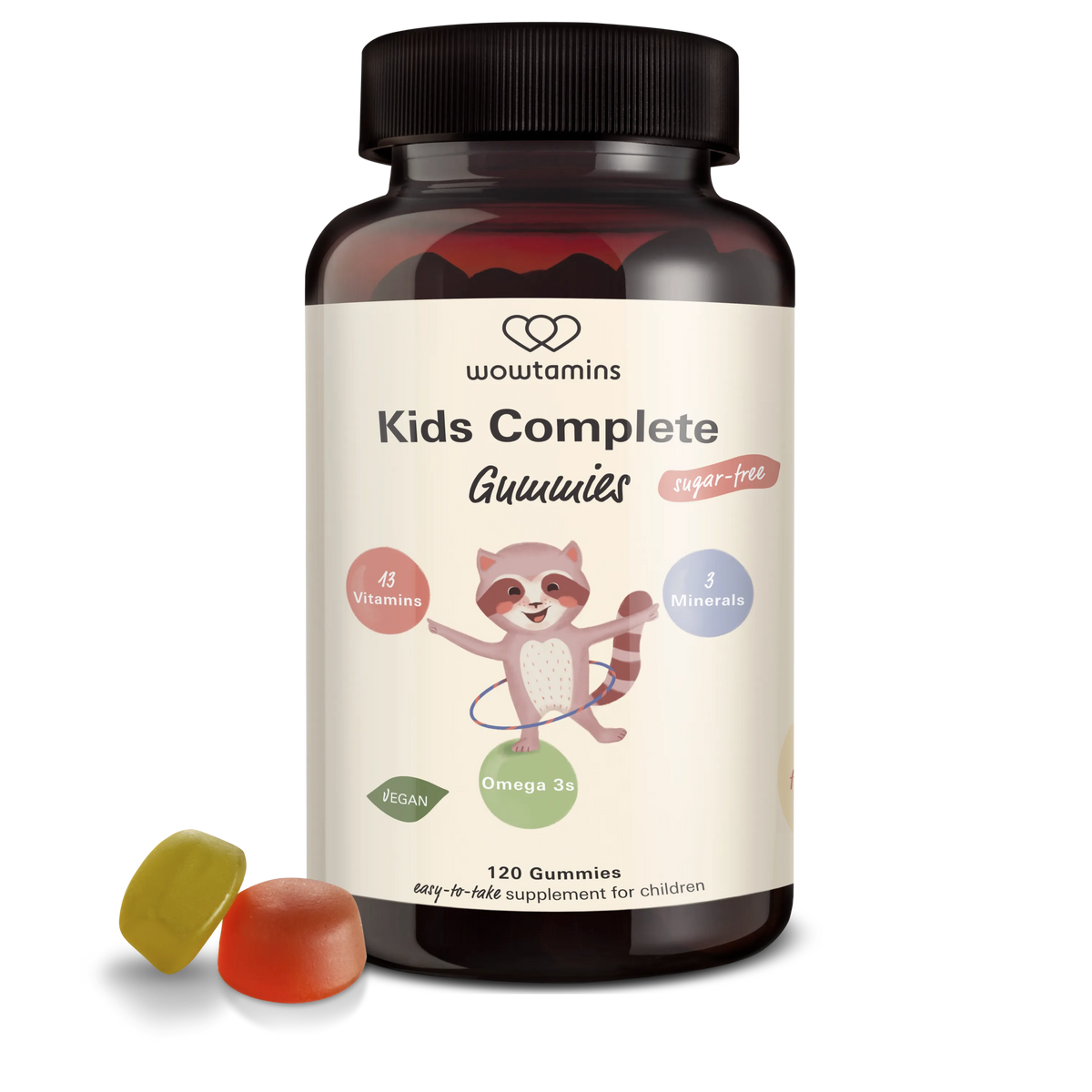
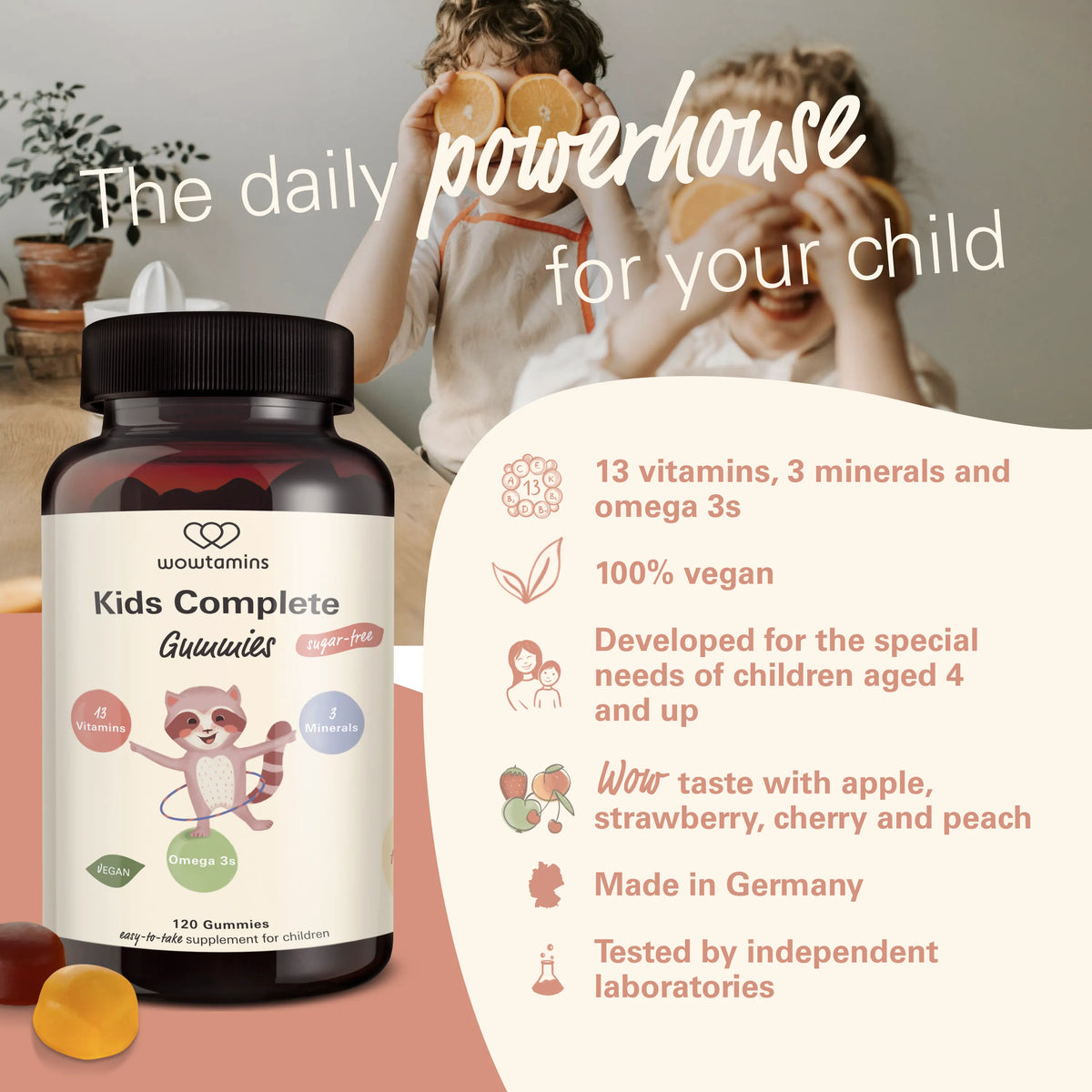
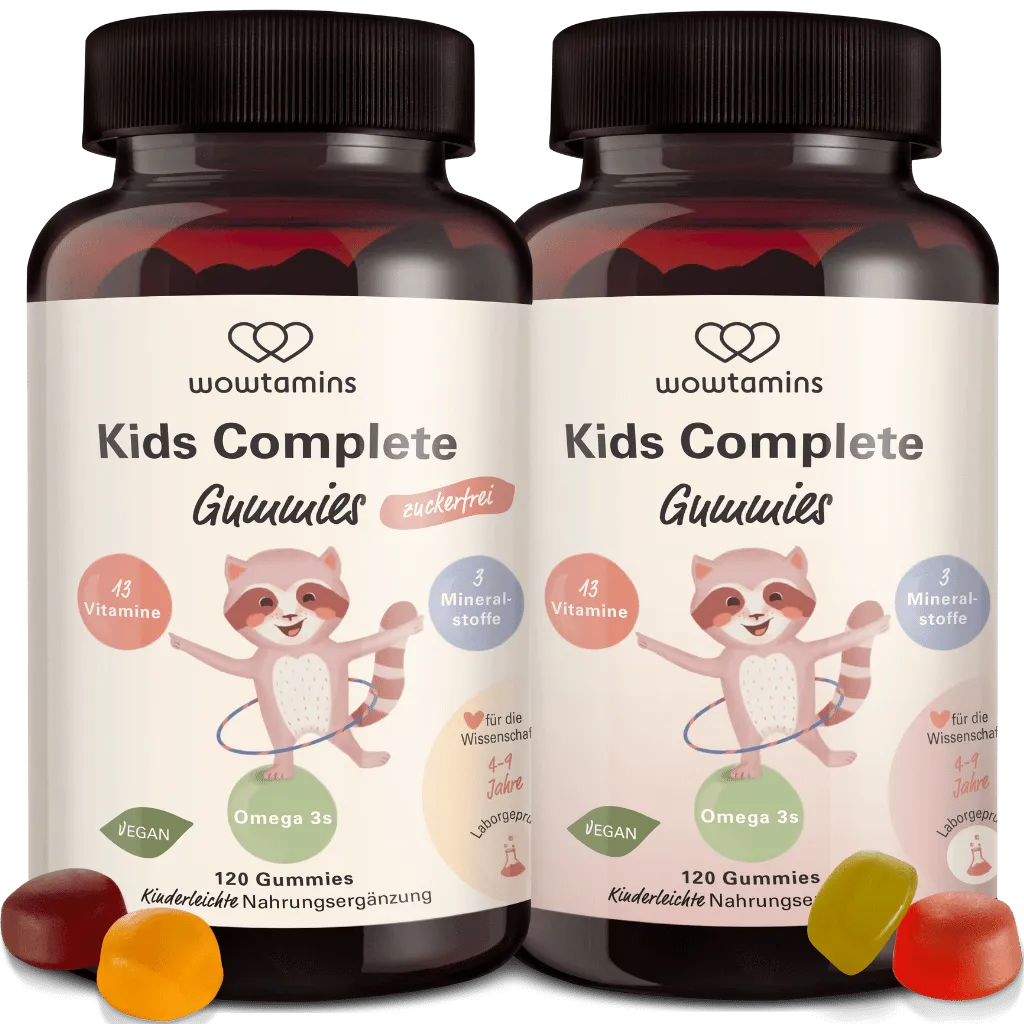
You can also naturally find niacin in our products, such as Kids Complete Gummies.

Mandatory notice: Food supplements are not a substitute for a balanced and varied diet and a healthy lifestyle.

List of sources - Niacin - wowtamins Nutrient Guide

Discover our vitamin gummy categories