Skip to content

Folic acid - wowtamins Nutrient Guide

Folic acid - wowtamins Nutrient Guide
What is the importance of folic acid for children and adults?

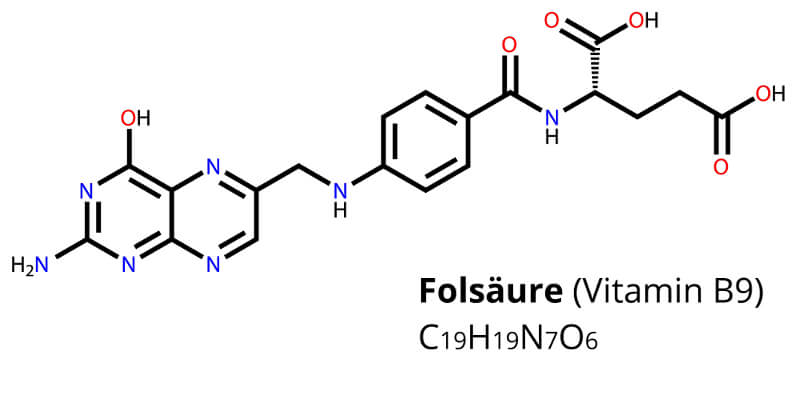
Folic acid, also vitamin B9 known as, is a synthetic form of the folate compounds that occur naturally (folate).

The term folate is derived from the Latin folium meaning “leaf” in translation. The name already indicates that this important nutrient is found primarily in green plant leaves. Legumes can also provide an additional source for daily intake. Folic acid refers to the synthetic form of natural folate.

Folate contributes to:

  • the growth of maternal tissue during pregnancy
  • normal amino acid synthesis
  • normal blood formation
  • normal homocysteine metabolism
  • normal psychological function
  • the normal function of the immune system
  • the reduction of tiredness and fatigue
  • and has a role in cell division

How much folic acid do children need?

The official daily requirement for folic acid or folate is set by the German Nutrition Society (DGE) for children and adults. Below, we list the recommended minimum values in micrograms (µg):

Infants*

  • 0 to under 4 months: 60 µg
  • 4 to under 12 months: 80 µg

Children and adolescents

  • 1 to under 4 years: 120 µg
  • 4 to under 7 years: 140 µg
  • 7 to under 10 years: 180 µg
  • 10 to under 13 years: 240 µg
  • 13 to under 15 years: 300 µg
  • 15 to under 19 years: 300 µg

Adults

  • 19 to under 25 years: 300 µg
  • 25 to under 51 years: 300 µg
  • 51 to under 65 years: 300 µg
  • 65 years and older: 300 µg
  • Pregnant women: 550 µg
  • Breastfeeding women: 450 µg

Daily minimum amount of folate, as of 03/2024. [1]

* Estimated values

In the recent past, two major nutrition studies examined folic acid intake among children and adolescents in Germany: the EsKiMo-study and the VELS-study. Both agree on the current situation.

More than half of children aged 1 to 4 do not consume sufficient amounts of folic acid in their diet. [2] Among older children aged 6 to 11, more than 75 percent do not meet the DGE recommendations. [3]

The situation is no better among adolescents and adults. According to the National Nutrition Survey II, intake is also well below the D-A-CH reference values in all age groups: two out of three male and four out of five female teenagers are undersupplied with folic acid. [4]

Where is folate found?

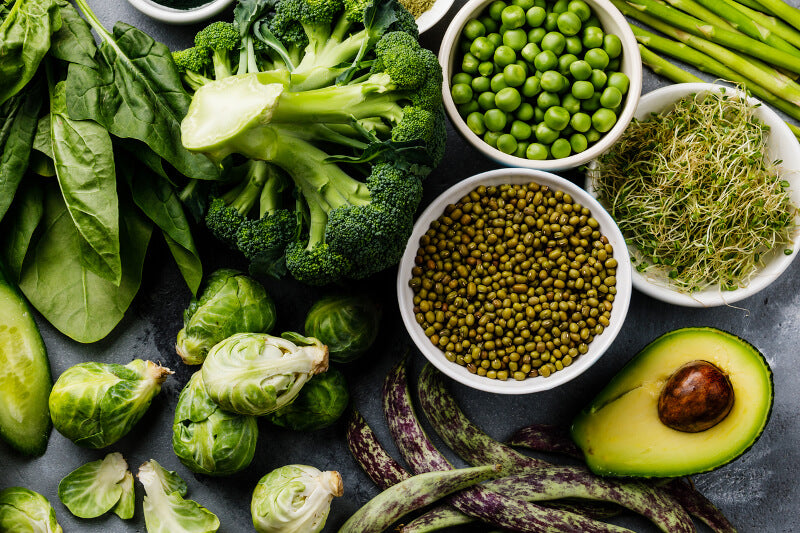
Natural folate is found in higher concentrations almost exclusively in leafy greens and legumes. Only a few vegetables and other foods still contain significant amounts of this nutrient.

Legumes (per 100 grams)

  • Lima beans – 360 µg
  • Chickpeas – 340 µg
  • Soybeans – 210 µg
  • White beans – 187 µg
  • Lentils – 168 µg
  • Peas – 151 µg

Vegetables and salads (per 100 grams)

  • Kale – 187 µg
  • Brussels sprouts – 182 µg
  • Spinach – 145 µg
  • Lamb's lettuce – 145 µg
  • Cauliflower – 125 µg
  • Broccoli – 111 µg
  • Endive – 109 µg
  • Asparagus – 108 µg
  • Leeks – 103 µg

Meat (per 100 grams)

  • Pork liver – 136 µg
  • Liver pâté – 60 µg

Folate content in various foods. [5]

Folate compounds are sensitive to heat and are quickly destroyed when foods are boiled or fried. A meal with cooked beans, chickpeas, or lentils therefore provides support, but is generally not sufficient. To consume adequate amounts of folate, fresh vegetables and salads are particularly recommended. To meet the daily requirement of children aged 4 to under 7, approximately 80 g of fresh salad and a small portion of beans, lentils, or peas are needed. Meat and animal products are not suitable due to their low folate content and the heat required for preparation.

In reality, it is often difficult for both children and adults to meet their daily requirements through food alone. It is therefore advisable to prevent a deficiency with the help of a dietary supplement. Mothers in particular may be familiar with supplementation during pregnancy and breastfeeding.

Folate (as L-methylfolate) is also naturally found in our products, such as the Kids Complete Gummies.

Pflichthinweis: Nahrungsergänzungsmittel sind kein Ersatz für eine ausgewogene und abwechslungsreiche Ernährung und eine gesunde Lebensweise.

Quellenverzeichnis - Folic acid - wowtamins Nutrient Guide

Entdecke unsere Vitamin-Gummies Kategorien