Skip to content

Zinc - wowtamins Nutrient Guide

Zinc - wowtamins Nutrient Guide

What is the importance of zinc for children and adults?

The trace element zinc is one of the essential nutrients that adults and children need to obtain regularly through their diet.

Zinc contributes

  • to the normal function of the immune system
  • to normal cognitive function
  • to normal DNA synthesis
  • to the maintenance of normal vision
  • to normal acid-base metabolism
  • to normal carbohydrate and fatty acid metabolism
  • to normal protein synthesis
  • to normal fertility and reproduction
  • to normal macronutrient metabolism
  • to normal vitamin A metabolism
  • to the maintenance of normal bones
  • to the maintenance of normal skin, hair, and nails
  • to the maintenance of normal blood testosterone levels

In addition, zinc plays an important role in cell division and helps protect cells from oxidative stress.

How much zinc do children need?

For children, adolescents, and adults, the German Nutrition Society (DGE) provides age-dependent reference values to ensure adequate daily zinc intake. For adults, the situation is more complicated. The required minimum amount of this trace element depends on the simultaneous intake of plant-based phytates.

Phytates are found in greater quantities in cereals, whole-grain bread, and legumes. They are dietary fibers and can bind zinc and other minerals. As a result, the absorption of these essential nutrients in the intestine is impaired.

People who eat a predominantly vegetarian diet therefore often have a higher mineral requirement than those who eat a mixed diet. For the trace element zinc, the DGE makes the following recommendations:

Infants*

  • 0 to under 4 months*: 1.5 mg
  • 4 to under 12 months: 2.5 mg

Children and adolescents

  • 1 to under 4 years: 3 mg
  • 4 to under 7 years: 4 mg
  • 7 to under 10 years: 6 mg
  • 10 to under 13 years: 8 mg (female), 9 mg (male)
  • 13 to under 15 years: 10 mg (female), 12 mg (male)
  • 15 to under 19 years: 11 mg (female), 14 mg (male)

Adults

  • Men: 11 to 16 mg
  • Women: 7 to 10 mg
  • Pregnant women: 7 to 13 mg
  • Breastfeeding women: 11 to 14 mg

Daily zinc intake, as of 03/2024. [1]
* Estimated value
** depending on phytate intake

Three independent studies have so far examined the nutritional situation of children and adolescents in Germany: VELS, EsKiMo and the German National Nutrition Survey II. Analysis of the data shows a dramatic undersupply of zinc.

Accordingly, more than a quarter of girls and boys aged 4 to 11 consume too little zinc in their diet. [2, 3] The same trend is evident among 14- to 18-year-olds: 28 percent of female and 29.4 percent of male adolescents do not meet the DGE recommendations. [4]

Where is zinc found?

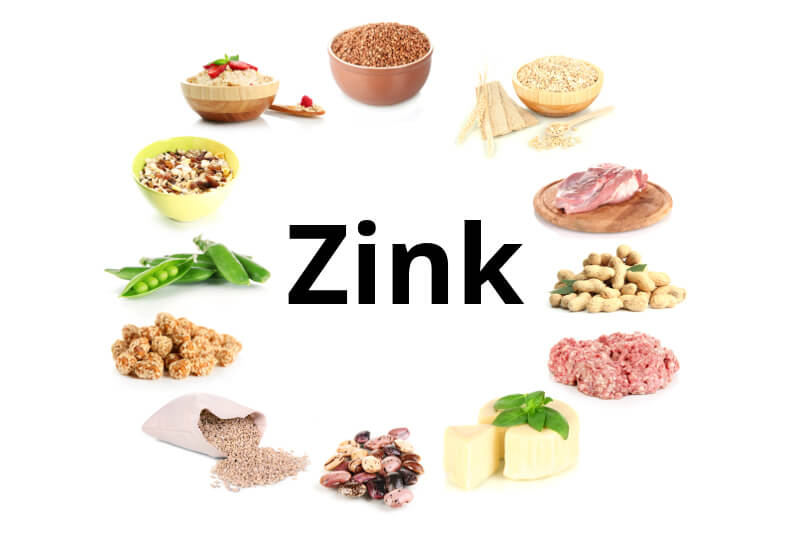
High concentrations of this essential trace element can be found in beef, offal, nuts, legumes, and cheese. The most significant sources include:

Meat & offal (per 100 grams)

  • Pork liver – 6.35 mg
  • Beef – 4.41 mg

Legumes, grains & nuts (per 100 grams)

  • Soybeans – 4.18 mg
  • Oatmeal – 4.06 mg
  • Brazil nut – 4 mg
  • Wheat mixed bread – 3.5 mg
  • Lentils, dried – 3.43 mg
  • Crispbread – 3.1 mg
  • Peanut – 3.07 mg
  • Lima beans, dried – 2.92 mg
  • Walnut – 2.7 mg

Legumes, grains & nuts (per 100 grams)

  • Emmental – 4.63 mg
  • Gouda – 3.9 mg
  • Tilsiter – 3.5 mg

Zinc content in foods. [5]

Two slices of wheat mixed bread with Gouda provide the complete daily requirement for a child aged 4 to under 7. A meal containing 100 grams of pork liver, rice, or potatoes is also sufficient to provide girls and boys aged 7 to 9 with enough zinc.

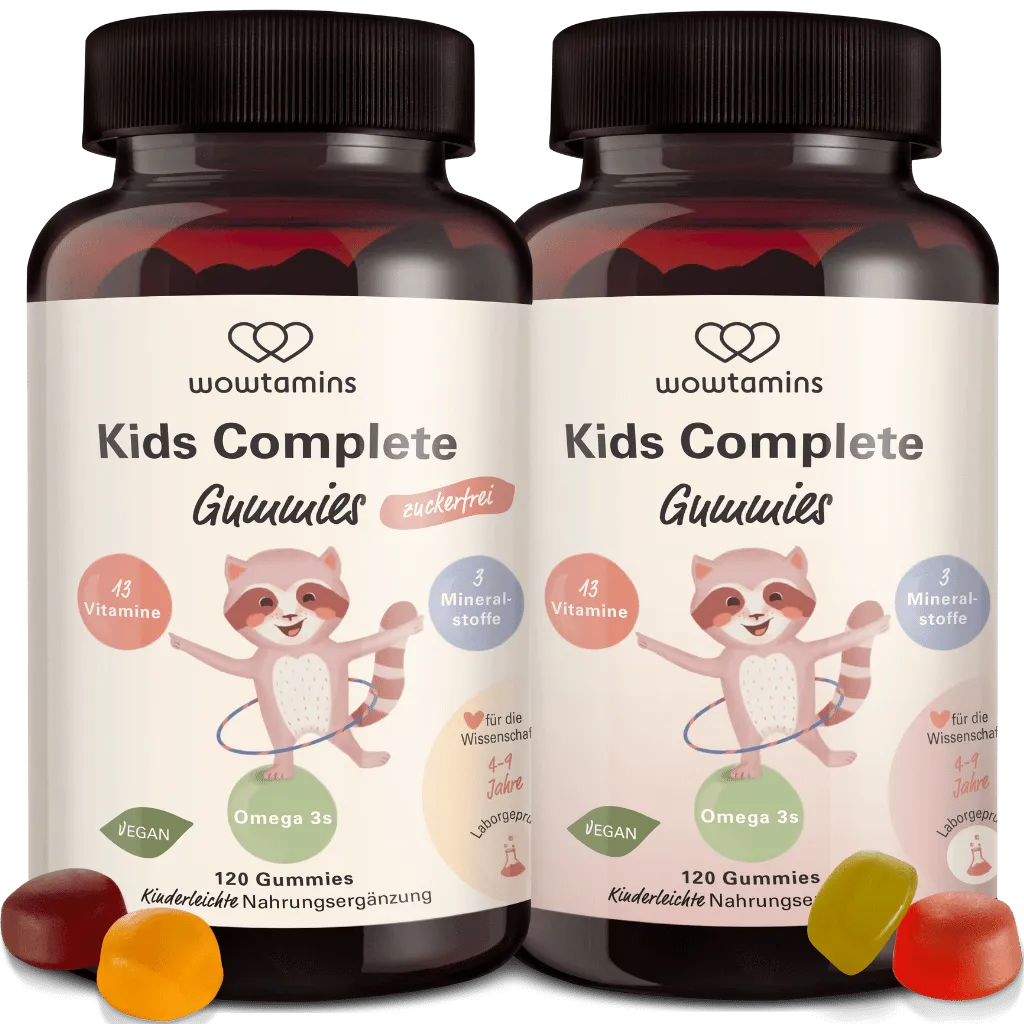
Zinc is naturally also found in our products, such as Kids Complete Gummies.

Pflichthinweis: Nahrungsergänzungsmittel sind kein Ersatz für eine ausgewogene und abwechslungsreiche Ernährung und eine gesunde Lebensweise.

Quellenverzeichnis - Zinc - wowtamins Nutrient Guide

Entdecke unsere Vitamin-Gummies Kategorien