


Growth spurts, puberty & fatigue: what’s really behind them?
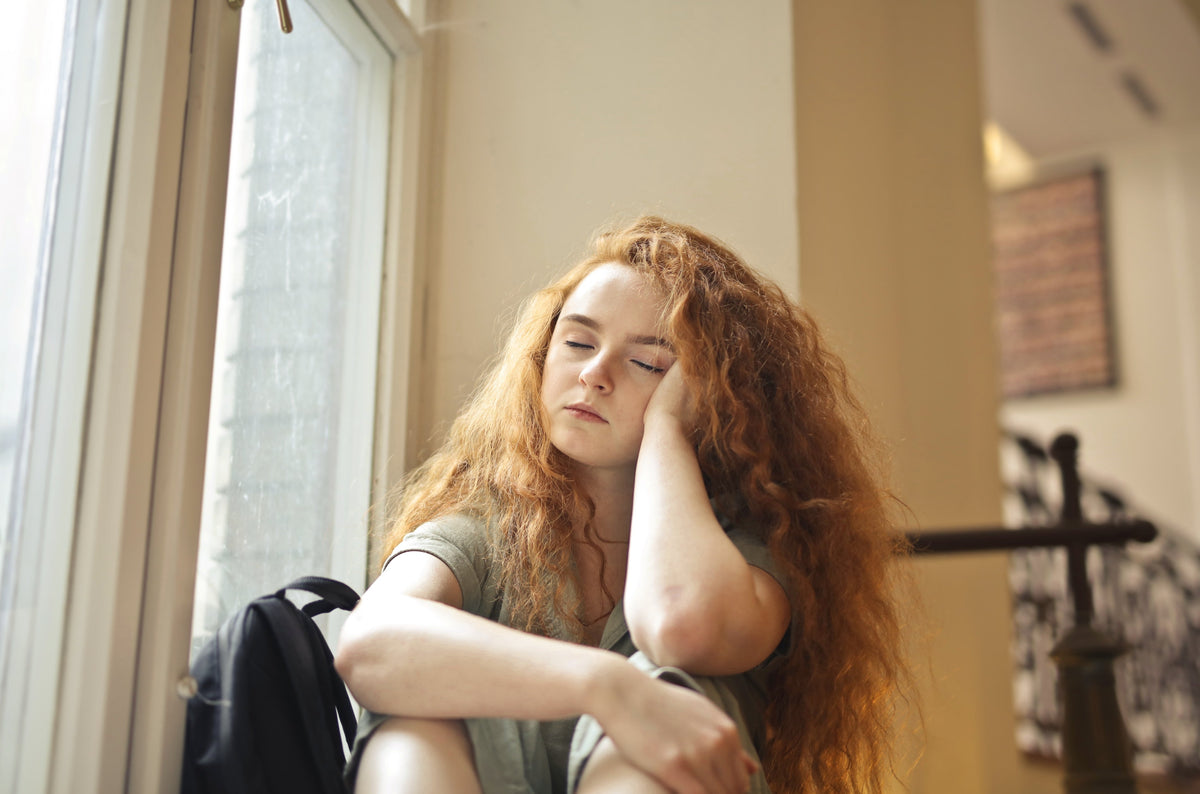
Your teenager can barely be roused from bed, the alarm rings, and nothing happens—no stirring, no getting up. Sound familiar? In many families, this is a daily issue. And for good reason: Growth spurts, puberty, and fatigue are closely linked biologically, and the exhaustion has specific causes that go far beyond “laziness.”
In this article, we explain what is behind the exhaustion experienced by adolescents—and when it may be a sign that should be taken seriously.
Important note: This article is for general information and does not replace medical advice. If fatigue persists or is severe, we recommend consulting a pediatrician or family doctor.
- Is fatigue during puberty normal?
- Growth spurt during puberty: Why it requires so much energy
- Fatigue in boys and girls—is there a difference?
- Sleep During Puberty: Why Teenagers Biologically Fall Asleep Later
- Exhaustion during puberty: When should parents pay attention?
- What can you do about fatigue during puberty?
- Nutrients and fatigue: What the body needs now
- Frequently asked questions about growth spurts, puberty & tiredness
Is fatigue during puberty normal?
The short answer: Yes—usually.
The increased need for sleep during adolescence is a normal part of biological development—not a character flaw or a parenting problem. During this phase, many students also experience mood swings and genuine emotional turmoil alongside fatigue: full of energy one moment, barely responsive the next—this is an expression of hormonal changes, not a lack of discipline.
It is therefore normal for teenagers to:
- need more sleep than children or adults
- have difficulty getting out of bed in the morning
- feel exhausted after a long day at school
- seem particularly lacking in energy during periods of intense growth
Growth spurt during puberty: Why it requires so much energy
The connection between growth spurts and fatigue during puberty is direct: Growing is associated with an increased energy requirement for the body.
Hormones such as growth hormone (somatotropin) and sex hormones control this extensive physical transformation—and require considerable amounts of energy in the process. The body grows and changes in major spurts: In girls, the most significant growth spurt usually begins between the ages of 10 and 13, while in boys it occurs somewhat later—usually between the ages of 12 and 15. During peak phases, teenagers can grow by up to 10 centimeters per year.1
What happens in the body during this process is remarkable:
- Bone growth: Long bones grow at the growth plates. This process requires continuous cell division, mineral deposition, and the formation of new bone structure.
- Muscle building: Muscle mass increases considerably during this phase, especially in boys—another energy-intensive process.
- Organ growth: The heart, lungs, and other internal organs grow along with the body and must adapt to its larger size.
- Brain development: The prefrontal cortex—responsible for planning, impulse control, and decision-making—continues to mature during puberty and is a particularly energy-hungry organ.
At the same time, the brain is intensely engaged in learning: new neural connections are forming and old ones are being reorganized. Many teenagers find it difficult to concentrate during this phase—not because they are not trying, but because their brains are simply working at their biological capacity limit.
The result: Basal metabolic rate—that is, the body's energy requirement at rest—is higher during puberty than in any other stage of life except the first year. This increased energy requirement explains why teenagers often seem exhausted during growth phases, even when they get enough sleep.
Find out more about which nutrients the body particularly needs during this phase in our article: Which vitamins are important for teenagers? Also discover our vitamins for teenagers and vitamins for children.
Fatigue during puberty in boys and girls—is there a difference?
Yes—and the differences are biologically based.
Fatigue during puberty in boys
In boys, puberty begins on average somewhat later than in girls. The growth spurt is often more intense, however: during their peak growth phase, boys frequently grow faster and build considerable muscle mass at the same time. Increased testosterone levels drive this process—and require a corresponding amount of energy. Mood can fluctuate significantly during this phase, and the desire to go to school, play sports, or pursue hobbies may temporarily disappear—this is normal during this phase and not a sign of a disorder.
Fatigue During Puberty in Girls
Girls face an additional factor: When menstruation begins, they regularly lose iron. Iron contributes to normal blood formation — and insufficient iron intake can manifest as fatigue and lack of energy. This exhaustion looks exactly like normal fatigue during puberty from the outside, but it often leads to a different medical diagnosis: iron deficiency — one of the most common yet frequently overlooked causes in adolescent girls.
Our tip for your daily routine: To supplement daily iron intake in a pleasant way, we developed our wowtamins Iron Gummies. They are sugar-free, have a delicious fruity taste, and are an easy addition to everyday life — without the hassle of swallowing tablets.
Iron Gummies

Iron Gummies for Children & Adolescents — Sugar-Free
Tip: Girls who are particularly frequently or severely exhausted during puberty should also have their iron status checked by a doctor.
Sleep During Puberty: Why Teenagers Biologically Fall Asleep Later
Sleep problems and changes in sleep patterns are among the most common concerns for parents of adolescents — and they have a clear biological explanation.
During puberty, adolescents’ internal clocks demonstrably change. The release of melatonin — the sleep hormone — shifts several hours later. Researchers — including scientists at Rush University Medical Center in Chicago — have shown that this shift is not an individual problem but a universal biological phenomenon.2 In scientific terms, this is referred to as a “circadian phase shift” — and it occurs regardless of parenting style or discipline.3
Age plays a decisive role: The further puberty has progressed, the more disrupted the internal clock becomes. Teenagers become biologically tired later and naturally wake up later.
The problem in everyday life: The early start of school completely disrupts this natural rhythm. When the alarm goes off at 6:30 a.m., many teenagers have biologically only just reached their deepest sleep phase. On average, teenagers get only 6 to 7 hours during the school week—the missing hours add up over the months to a serious sleep deficit.2
Recommended sleep duration: The German Society for Sleep Research and Sleep Medicine (DGSM) recommends that teenagers between 13 and 18 years old get at least 8 hours of sleep per night.4 Most teenagers get significantly less during the school week.
The smartphone makes things even harder. Many teenagers read one last message, scroll through social media—and suddenly realize that it is well past midnight. The blue light from screens also suppresses melatonin secretion and further delays falling asleep.
Exhaustion during puberty: When should parents pay attention?
Fatigue during puberty is often normal. However, exhaustion that goes far beyond the usual can be a sign that something is wrong. Persistent psychological stress—caused by school, friendships, or family pressures—can also lead to extreme exhaustion and significantly affect overall well-being.
Parents should pay attention when:
- the fatigue is persistent and continues regardless of sleep
- the teenager appears pale, listless, or disinterested—for weeks on end
- the exhaustion is accompanied by frequent infections, dizziness, or circulatory problems
- their performance at school noticeably declines without any other apparent reason
- the teenager reports palpitations, shortness of breath, or headaches
These symptoms can have many causes—including nutrient deficiencies, thyroid problems, anemia, or psychological stress. Do not hesitate to seek professional support: only a doctor's visit with appropriate examinations can truly provide clarity.
Tip: When should you see a doctor? If the exhaustion lasts longer than 2–3 weeks and does not improve with sleep, rest, or a vacation, seeing a doctor is advisable.
Learn more in our blog post: Vitamins for the brain and nerves.
Helpful tips: What to do about fatigue during puberty
Not all fatigue can be avoided—but there are concrete steps that parents and teenagers can take. Sufficient rest is not laziness; it is a biological necessity. Young people going through puberty need understanding from those around them.
1. Prioritize sleep and improve sleep hygiene
- Go to bed and get up at consistent times—even on weekends, whenever possible
- Put away the smartphone at least one hour before bedtime—blue light inhibits melatonin release
- Keep the bedroom cool, dark, and quiet
- Avoid caffeine (energy drinks, cola) in the afternoon and evening
- Anyone who can barely concentrate during the first lesson benefits especially from a consistent bedtime routine—even if it is difficult at first
2. Eat a balanced diet
A varied diet with plenty of vegetables, legumes, nuts, and whole-grain products forms the foundation. Iron-rich foods such as lentils, pumpkin seeds, and leafy green vegetables are particularly important for girls during puberty.
3. Exercise—but don’t overdo it
Regular physical activity in the fresh air can improve sleep quality. Excessive exercise during growth phases, however, can have the opposite effect.
4. Reduce stress
School stress, social pressure, and the performance expectations placed on modern adolescents are real sources of strain. Breaks, hobbies, and screen-free time are not a luxury—they are necessary.
5. Seek professional help for chronic sleep problems
If sleep problems persist and do not improve with simple measures, cognitive behavioral therapy for insomnia can be an effective option in some cases. Discuss this openly with your pediatrician or family doctor.
6. Have nutrient levels checked
If fatigue persists despite good sleep hygiene and a balanced diet, it is worth having a blood test with a doctor. Iron levels, vitamin D, thyroid levels, and other parameters can be checked specifically.
Nutrients and fatigue: What the body needs now
Nutrient needs during puberty differ significantly from those in childhood—both in type and quantity. The consequences of a prolonged deficiency can directly affect well-being and concentration.
According to approved claims, certain nutrients contribute to reducing tiredness and fatigue—including iron and magnesium. However, only a blood test can show whether a specific deficiency is present.
Frequently asked questions about growth spurts, puberty & tiredness
How long does a growth spurt during puberty last?
An individual growth spurt usually lasts several months. Puberty as a whole spans approximately ages 10 to 16 in girls and 12 to 18 in boys. During this time, several growth phases may follow one another, each of which can be accompanied by an increased need for sleep and tiredness.
How long does sleepiness during a growth spurt last?
This varies greatly from person to person. During the most intense growth phase—which often occurs between the ages of 11 and 13 in girls and 13 and 15 in boys—pronounced tiredness can last for several weeks to months. Once the growth rate slows, energy levels generally return to normal. If severe exhaustion persists, a doctor should be consulted.
What are the causes of extreme tiredness in teenagers?
If tiredness is significantly beyond normal levels, it may have various causes, including iron deficiency (especially in girls after the onset of menstruation), vitamin D deficiency, an underactive thyroid, chronic sleep deprivation due to going to bed too late, or ongoing psychological stress. Emerging depression can also manifest as extreme exhaustion. Only a medical consultation with a blood test can reliably clarify the cause.
What is the most difficult age for a teenager?
The most intense phase of puberty usually occurs between the ages of 12 and 14 in girls and 13 and 15 in boys—exactly when growth spurts, hormonal changes, and academic pressure coincide. Physical exhaustion, mood swings, and motivational problems can be particularly pronounced during this time. However, there is no blanket answer: Some teenagers find prepuberty especially challenging, while others struggle more with changes and new demands after puberty.
At what point should I take my teenager to the doctor?
If exhaustion lasts longer than 2–3 weeks, does not improve with rest, or is accompanied by other symptoms such as paleness, dizziness, frequent infections, or a racing heart, it is advisable to see a doctor.
Can iron deficiency cause fatigue during puberty?
Iron deficiency is a common but often overlooked cause of fatigue – especially in girls after the onset of menstruation. Iron contributes to normal blood formation. The only way to determine whether iron deficiency is present is through a blood test.
References
[2] Crowley, S. J. et al. (2022): Extending weeknight sleep of delayed adolescents using weekend morning bright light and evening time management. SLEEP. Biological Rhythms Research Laboratory, Rush University Medical Center, Chicago.
URL: https://pmc.ncbi.nlm.nih.gov/articles/PMC9832518/
[3] Carskadon, M. A., Vieira, C. & Acebo, C. (1993): Association between puberty and delayed phase preference. Sleep, 16(3), 258–262.
URL: https://pubmed.ncbi.nlm.nih.gov/8506460/
[4] German Society for Sleep Research and Sleep Medicine (DGSM): Sleep duration and sleep quality – recommendations for children and adolescents.
URL: https://www.dgsm.de/fileadmin/patienteninformationen/ratgeber_schlafstoerungen/10_DGSM-Schlafstoerungen-bei-Kindern_barrierefrei.pdf
[5] Mensink, G. B. M. et al. (2021): EsKiMo II – The nutrition study as a KiGGS module. Robert Koch Institute, Berlin.
URL: https://edoc.rki.de/handle/176904/6887.2
Mandatory statement: Food supplements are not a substitute for a balanced and varied diet and a healthy lifestyle. The stated recommended daily intake must not be exceeded.
Leave a comment
This site is protected by hCaptcha and the hCaptcha Privacy Policy and Terms of Service apply.