

Tips and routines for children with ADHD: what parents can do
In addition to medical treatment for attention-deficit/hyperactivity disorder (ADHD), there are other important things you should consider as a parent. The latest scientific findings presented in these articles provide good starting points:
- ADHD in children – what can affected parents do?
- Why omega-3 fatty acids are so important for children
- How children’s concentration can be improved
- The benefits of omega-3 algae oil for children
The tips and rules listed below provide an optimal basis for improving the initial situation in ADHD.
Tip 1: Contact a self-help group
Due to their extensive experience, self-help groups are valuable points of contact. They can also provide information about which doctor near you can properly diagnose and treat ADHD.
Self-help groups in Germany
Self-help groups in Switzerland and Austria
Other recommended websites
Tip 2: Check vitamin D and iron blood levels
In the previous part of our ADHD series, we discussed in detail the connection between an inadequate supply of essential vitamins and trace elements and attention-deficit/hyperactivity disorder. According to current scientific studies by research teams from Norway1, Qatar2,3, Taiwan4, India5, and Turkey6,7, adults and children with ADHD have significantly lower levels of vitamin D and iron in their blood than healthy individuals.
That is why it is important to have your child’s 25-OH-vitamin D3 and ferritin levels tested. This can be done, among other places, by a pediatrician. However, statutory health insurance generally does not cover the costs. For this reason, an at-home self-test that can be conveniently ordered online is also worthwhile.
If the tests indicate an insufficient supply of vitamin D or iron, you should inform the pediatrician of the result and discuss the next steps with them.
Tip 3: Send your child out into the sun regularly so that their body produces enough vitamin D
During the summer months (April to September), it is important for your child to spend five to ten minutes a day in direct sunlight. It is sufficient for them to wear a T-shirt and shorts. You should not apply sunscreen to the exposed areas of skin on the arms, legs, and face.7

During the short sunbath, the skin can produce enough vitamin D3 for the entire day. In winter, the sunlight here in Germany is not sufficient to produce this valuable nutrient. This is precisely what the German Nutrition Society (DGE) recommends in its press release of January 10, 2012.8
Tip 4: Change your child's diet
The section ADHD and nutrition from our article What role do vitamins, minerals, and omega-3s play in ADHD? explains the current state of research in detail. For this reason, it is advisable to avoid highly processed foods and consume unprocessed food instead.
What are highly processed foods? Scientists use this term to describe products made from natural foods through several industrial processing steps. The best-known examples are fast food, frozen pizza, processed meat, chips, sweets, and carbonated soft drinks.9
Instead, ensure a balanced diet with fresh fruit and vegetables and prepare fish dishes regularly.
The daily fluid requirement is best met with unsweetened tea and water. Also give your child nuts and dried fruit (trail mix) to take to school every day.
Tip 5: Create a calm family environment
Always remind yourself that a child with ADHD perceives the world differently from you. If you react irritably, nag constantly, repeatedly scold your child, and threaten them, the situation at home will worsen. Your child reacts impulsively and simply does not learn from their behavior.
You can prevent new emotional outbursts by not repeatedly explaining the purpose of rules and regulations to your child and pointing out their “misdeeds.” Remain confident and ensure a structured daily routine.
Familiar things calm children with ADHD, while new and unfamiliar things often frighten them and intensify the symptoms. If it becomes too much for you as a parent, be sure to contact a support group.
Tip 6: Give your child a dietary supplement containing valuable vitamins, minerals, and omega-3 fatty acids
Recent scientific studies reached the following conclusions:
- Taking micronutrients (vitamins, minerals) improved inattention, emotional regulation, and aggression, but not hyperactive/impulsive symptoms in children with ADHD.10
- Our study provides preliminary evidence of the effectiveness of micronutrients in treating ADHD symptoms.11
- Omega-6 and omega-3 fatty acids represent a promising complementary therapy for ADHD.12
- There is evidence that treatment with omega-3 fatty acids (ω-3-PUFA) has a positive effect on ADHD.13
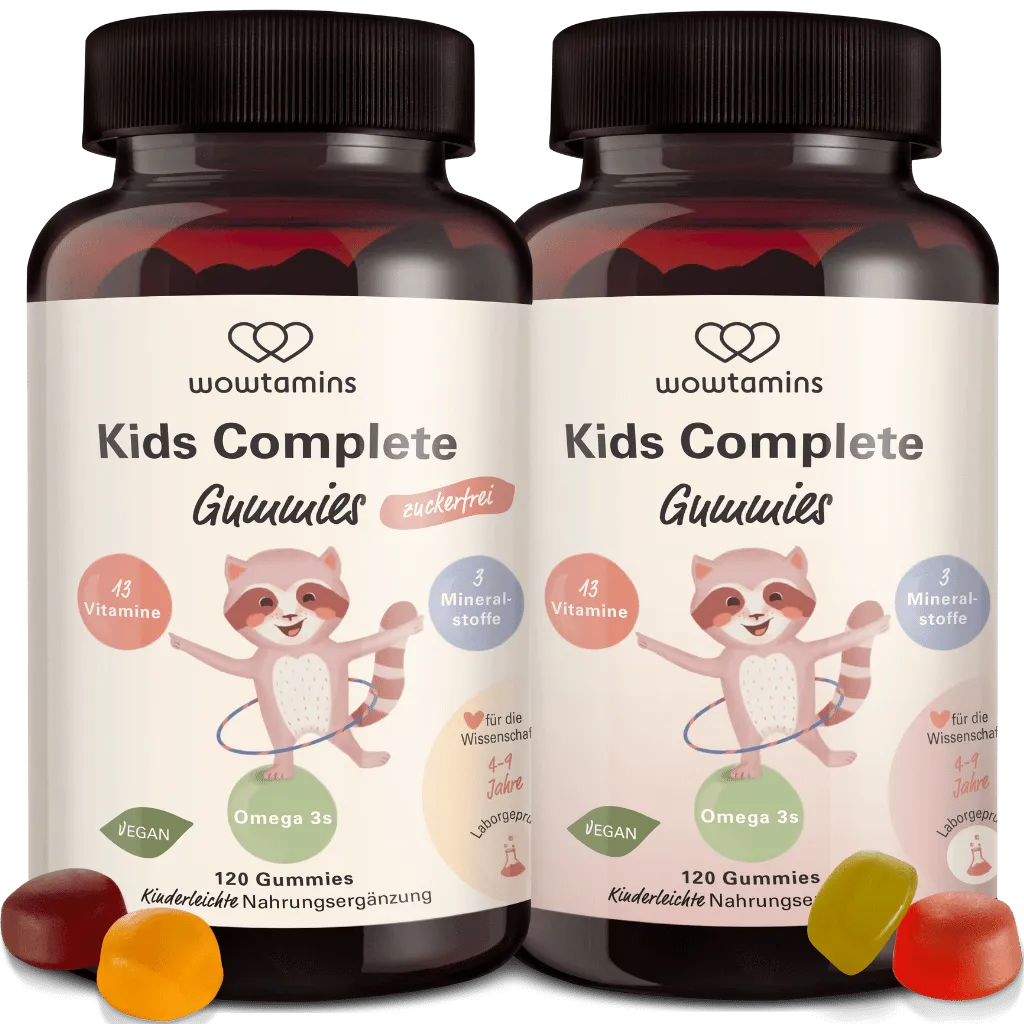
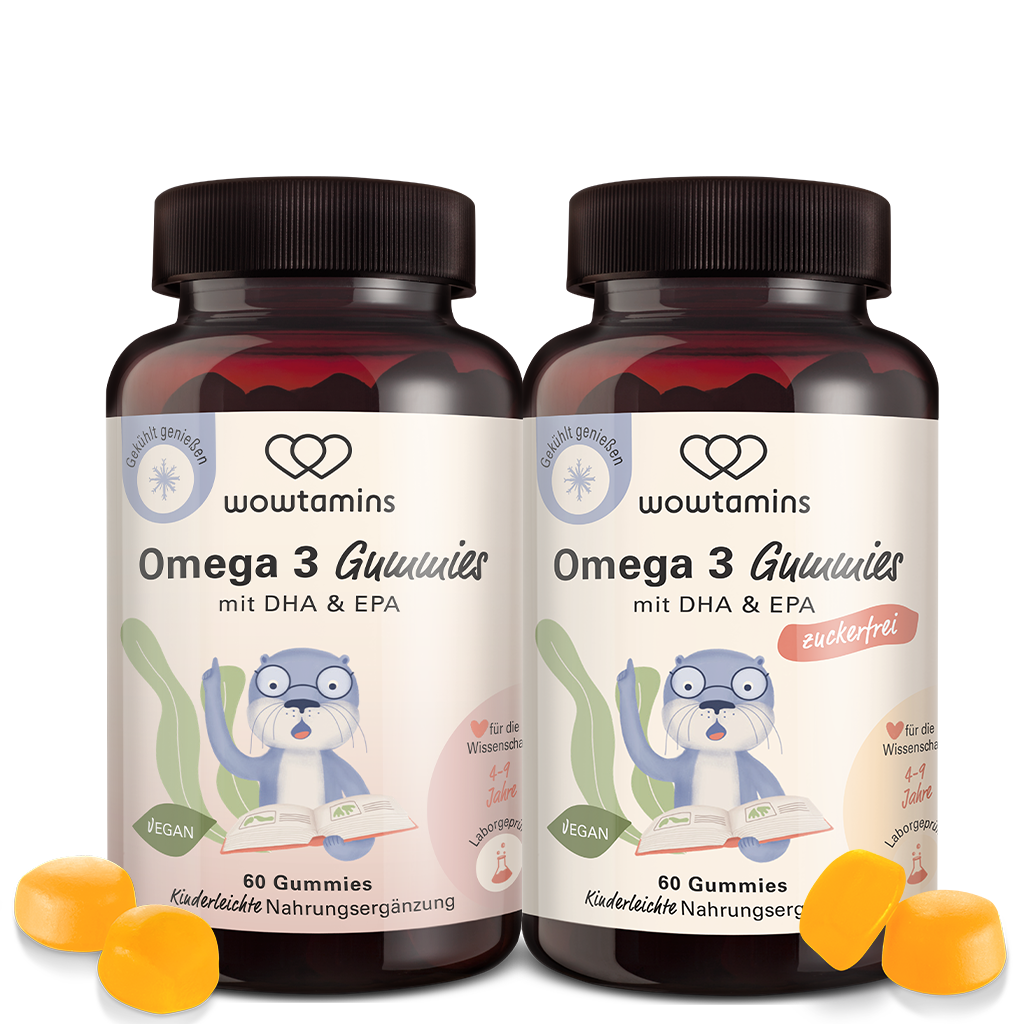
Therefore, in addition to a balanced diet, it is advisable to supplement your intake of vitamins, minerals, and omega-3 fatty acids with a high-quality dietary supplement, such as our Omega-3s for Children and Adolescents.
The pediatrician may then also reduce the dosage of Ritalin. By choosing a product from a trusted provider, you can ensure that your little or bigger treasure receives all the micronutrients their body needs every day.
Tip 7: Exercise outdoors
A research team at the University of Regensburg demonstrated that physical activity reduces the symptoms of ADHD. In a twelve-week study involving 43 participants aged 7 to 12, the children’s attention and memory in particular improved, regardless of the type of sport.14

Therefore, have your child exercise outdoors in the fresh air every day. Just half an hour of vigorous exercise is enough to release excess energy.
Tip 8: Limit television and computer games
So far, scientists have found no connection between computer games or television and the development of ADHD. Nevertheless, this type of entertainment can intensify existing symptoms of the condition. Doctors at the world-renowned Mayo Clinic recommend completely avoiding television, video games, and similar activities during the first five years of life.15
Tip 9: Identify incompatible foods
There is increasing evidence of a connection between behavioral problems and food intolerances and pseudo-allergies.16
On April 6, 2011, Deutschlandfunk even reported in its online edition that food intolerance is behind ADHD.17
Therefore, eliminate eggs, foods containing wheat, and dairy products from your child’s diet for one to two weeks at a time. Do the ADHD symptoms improve during this period? Then your child should avoid this food in the future.
An elimination diet is even more suitable. In a review of 52 clinical studies and another research paper from 2010, scientists showed that an elimination diet followed by avoiding foods that cause problems can alleviate symptoms in children with ADHD.18,19
In some cases, it may be advisable to treat allergies and food intolerances using naturopathic methods. It is best to consult a doctor with additional qualifications in naturopathic medicine or a naturopath who has experience treating ADHD.
Tip 10: Structure plan & structuring aids
A structured daily routine is particularly important for children with ADHD—whether they are preschoolers, primary school children, or teenagers. Many everyday demands, such as lessons, homework, family life, or interacting with peers, pose real challenges for children with ADHD.
Structuring aids provide guidance, promote understanding of behavioral rules, and strengthen the ability to better regulate impulsivity and restlessness.
A structure plan for children with ADHD creates a clear framework in which your child feels secure. Plan fixed times for tasks, breaks, and free time. Visual aids are especially helpful in kindergarten or school: colors, pictograms, or symbols make routines tangible—this motivates and increases independence.
The Federal Centre for Health Education recommends measures to better manage everyday life when dealing with behavioral problems such as ADHD. These include, among other things20:
- fixed routines in the morning, at noon, and in the evening
- breaking tasks down into small, manageable steps
- positive reinforcement for desired behaviors
- a more patient, appreciative approach to “mistakes”
This not only gives your child support, but also strengthens their sense of fairness and belonging—important prerequisites for healthy development into adulthood.
Should I avoid Ritalin altogether?
Many parents are uncomfortable with the idea of giving their child a stimulant medication permanently. Sometimes, however, there is no other way. When the situation becomes unbearable for the child and, of course, the parents, action must be taken.
The condition will not simply disappear on its own. And if treatment is inadequate, the risk of subsequent problems is far too high. It is best to discuss your concerns with your pediatrician or child and adolescent psychiatrist.
Of course, you should follow all the advice and tips in this article. This can improve your child's health potential, which in turn may have a positive effect on the symptoms. But under no circumstances should you stop a prescribed medication on your own.
Summary
The scientific studies we discussed indicate that regular physical activity, a varied and healthy diet, optimal provision of vitamin D, iron, and omega-3 fatty acids, as well as a harmonious family environment, have a positive impact on your child's situation.
Industrial processed foods (recognizable by the E numbers on the packaging), fast food, cola drinks and sugary soft drinks, iron or vitamin D deficiency, watching television or playing computer games, constant nagging and stress at home, as well as consuming foods that are not tolerated, can instead intensify the problems.
If the tips mentioned in this article do not lead to success and living together becomes unbearable for everyone involved, it is urgently necessary for your child to take a medication such as Ritalin. Otherwise, serious subsequent disorders may result.
FAQ: Tips & Rules for Children with ADHD
What strategies help families cope with ADHD diagnoses and the associated behavioral problems?
After diagnosis, it is important to act together as a family and not be guided by uncertainty. Information and materials from experts, such as the Federal Centre for Health Education, can provide valuable support.
A loving but consistent approach to typical characteristics of ADHD—such as restlessness or a lack of impulse control—is important. Behavioral rules, organizational aids, and regular conversations with teachers and therapists help prevent misinterpretations and parenting mistakes.
How are ADHD, motivation, and academic performance connected—and what can be done?
Many children with ADHD experience difficulties with motivation and self-regulation—especially in the school context. This often has nothing to do with a lack of intelligence, but rather with a different way of processing stimuli.
A structured daily routine, suitable learning materials, and an environment tailored to the child are crucial here. When teachers and parents work together, they can not only improve academic performance but also specifically promote self-esteem and the development of social skills.
What role does diet play in ADHD, and how can it help structure everyday life?
Diet can have a major impact on the behavior of children with ADHD—as many studies and our linked article above show. Highly processed foods, sugar, and artificial additives can intensify symptoms such as restlessness or impulsivity.
A balanced diet with fresh, natural ingredients, on the other hand, supports concentration and emotional stability. If you establish regular mealtimes with your child and prepare healthy snacks, you not only create structure in everyday life but also strengthen their sense of fairness and responsibility.
In conjunction with an individual structured plan, healthy eating becomes an important building block for greater calm and orientation—at home, at school, and during adolescence.
References
[2] Kamal M et al. Is high prevalence of vitamin D deficiency a correlate for attentiondeficit hyperactivity disorder? Atten Defic Hyperact Disord. 2014 Jun;6(2):73-8.
[3] Bener A et al. Higher Prevalence of Iron Deficiency as Strong Predictor of Attention Deficit Hyperactivity Disorder in Children. Ann Med Health Sci Res. 2014 Sep;4(Suppl 3):S291-7.
[4] Tseng P et al. Peripheral iron levels in children with attention-deficit hyperactivity disorder: a systematic review and meta-analysis. Sci Rep. 2018 Jan 15;8:788.
[5] Islam K et al. A study on association of iron deficiency with attention deficit hyperactivity disorder in a tertiary care center. Indian J Psychiatry. 2018 Jan-Mar;60(1):131-134.
[6] Goksugur SB et al. Vitamin D status in children with attention-deficit-hyperactivity disorder. Pediatr Int. 2014 Aug;56(4):515-9.
[7] Bala KA et al. Hormone disorder and vitamin deficiency in attention deficit hyperactivity disorder (ADHD) and autism spectrum disorders (ASDs). J Pediatr Endocrinol Metab. 2016 Sep 1;29(9):1077-82.
[8] Press information from the German Nutrition Society dated January 10, 2012
[9] https://fundus.ayio-q.com/gesundheitsnews/warum-werden-die-menschen-weltweit-immer-dicker
[10] Rucklidge JJ et al. Vitamin-mineral treatment improves aggression and emotional regulation in children with ADHD: a fully blinded, randomized, placebo-controlled trial. J Child Psychol Psychiatry. 2018 Mar;59(3):232-246.
[11] Rucklidge JJ et al. Vitamin-mineral treatment of attention-deficit hyperactivity disorder in adults: double-blind randomised placebo-controlled trial. Br J Psychiatry. 2014;204:306-15.
[12] Derbyshire E. Do Omega-3/6 Fatty Acids Have a Therapeutic Role in Children and Young People with ADHD? J Lipids. 2017;2017:6285218.
[13] Königs A, Kiliaan AJ. Critical appraisal of omega-3 fatty acids in attention-deficit/hyperactivity disorder treatment. Neuropsychiatr Dis Treat. 2016 Jul 26;12:1869-82.
[14] https://www.thieme.de/de/psychiatrie-psychotherapie-psychosomatik/adhs-sport-foerdert-kognition-67869.htm
[15] https://www.mayoclinic.org/diseases-conditions/adhd/symptoms-causes/syc-20350889
[16] https://docplayer.org/19138463-Etliche-nahrungsmittel-koennen-eine-nahrungsmittelallergie-ernaehrungsumstellung-bei-ads-adhs-und-anderen-verhaltensauffaelligkeiten.html
[17] https://www.deutschlandfunk.de/diaet-gegen-adhs.676.de.html?dram:article_id=28314
[18] Heilskov Rytter MJ et al. Diet in the treatment of ADHD in children – a systematic review of the literature. Nord J Psychiatry. 2015 Jan;69(1):1-18.
[19] Pelsser LM et al. Effects of food on physical and sleep complaints in children with ADHD: a randomised controlled pilot study. Eur J Pediatr. 2010 Sep; 169(9):1129-38.
[20] https://shop.bioeg.de/pdf/11090100.pdf
Leave a comment
This site is protected by hCaptcha and the hCaptcha Privacy Policy and Terms of Service apply.