Skip to content

Selenium - wowtamins Nutrient Guide

Selenium - wowtamins Nutrient Guide
What is the significance of selenium for children and adults?

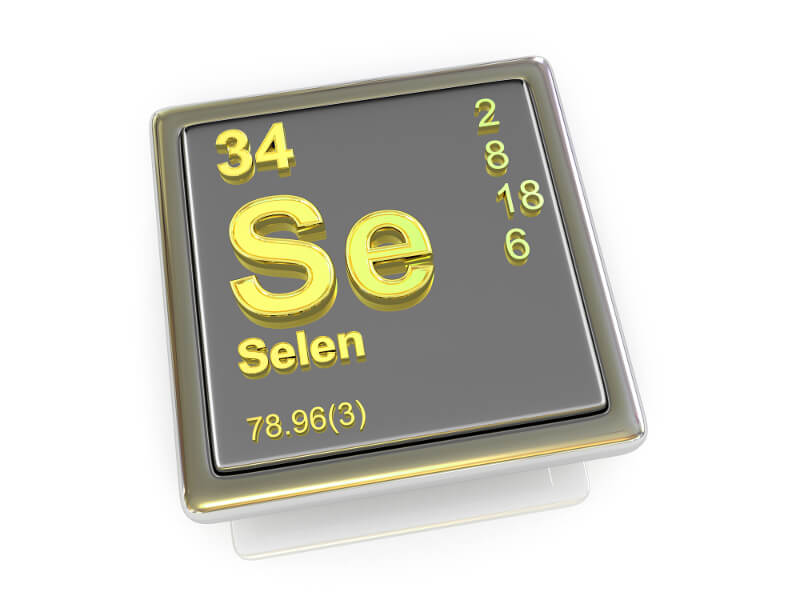
The essential nutrient selenium is a mineral—or more precisely, a trace element—found in plant-based and animal-based foods.

In nature, selenium occurs in two forms: as inorganic salts (selenate, selenite) and as organometallic compounds (selenomethionine, selenocysteine). Our body stores most of this vital trace element in skeletal muscle.

Selenium contributes

  • to the maintenance of normal hair and nails
  • to the normal function of the immune system
  • to normal thyroid function
  • to normal sperm formation
  • to the protection of cells from oxidative stress

How much selenium do children need?

The German Nutrition Society (DGE) provides estimated values for the minimum daily selenium intake for all age groups.

Infants

  • 0 to under 4 months: 10 µg
  • 4 to under 12 months: 15 µg

Children and adolescents

  • 1 to under 4 years: 15 µg
  • 4 to under 7 years: 20 µg
  • 7 to under 10 years: 30 µg
  • 10 to under 13 years: 45 µg
  • 13 to under 15 years: 60 µg
  • 15 to under 19 years: 60 µg (female), 70 µg (male)

Adults

  • Men: 70 µg
  • Women: 60 µg
  • Pregnant women: 60 µg
  • Breastfeeding women: 75 µg

Estimated values for daily selenium intake, as of 03/2024. [1]

In 1989, researchers at Mainz University Medical Center determined the dietary selenium intake of adults. According to their findings, men consume an average of 47 micrograms per day. For women, the figure is 38 micrograms. [2]

Based on the results of a large German nutrition study (VERA-study) conducted between 1987 and 1988, scientists from the Federal Environment Agency calculated the selenium intake of young people. According to their findings, female teenagers consume an average of 28 to 30 micrograms of selenium per day. Male adolescents consume between 37 and 39 micrograms of this trace element. [3]

What does this mean?

While the average (median) female adolescent consumes less than half the recommended amount of selenium, this figure is about 60 percent for male teenagers. The median values do not directly show what percentage consume too little selenium in their diet.

However, a comparison with the statistical analyses of other nutrition studies such as EsKiMo and VELS allows a well-founded conclusion. A cautious estimate suggests that more than 75 percent of German teenagers have an inadequate selenium intake.

Unfortunately, there are no scientific data on this subject for younger children. Experience shows that all family members tend to eat in the same way. It is therefore reasonable to assume that younger children may have a similarly pronounced inadequate selenium intake as adolescents.

Where is selenium found?

In Europe, soils have a low selenium content, so this essential nutrient is scarcely found in plant-based foods. Animal products generally contain larger amounts because selenium is often added to animal feed. Meat, fish, eggs, and dairy products are therefore more reliable sources of this valuable trace element.

Meat & fish (per 100 grams)

  • Kippers 140 µg
  • Tuna – 82 µg
  • Sardines – 58 µg
  • Pork liver – 56 µg
  • Shrimp – 50 µg
  • Redfish – 44 µg
  • Herring – 43 µg
  • Mackerel – 39 µg
  • Salmon – 29 µg
  • Trout – 25 µg

Legumes, grains & nuts (per 100 grams)

  • Coconut – 810 µg
  • Brazil nut – 103 µg
  • Soybeans – 19 µg
  • Brown rice – 10 µg
  • Lentils – 9.8 µg
  • Oatmeal – 9.7 µg

Dairy products & eggs (per 100 grams)

  • Emmental – 11 µg
  • Chester cheese – 11 µg
  • Chicken egg – 10 µg

Selenium content in foods. [4]

For breakfast, a bread roll with Emmental and a boiled egg is enough for a child aged 4 to under 7 to get enough selenium for the entire day. A meal consisting of 80 grams each of cooked salmon and brown rice can meet the daily requirement of a child aged 7 to 9.

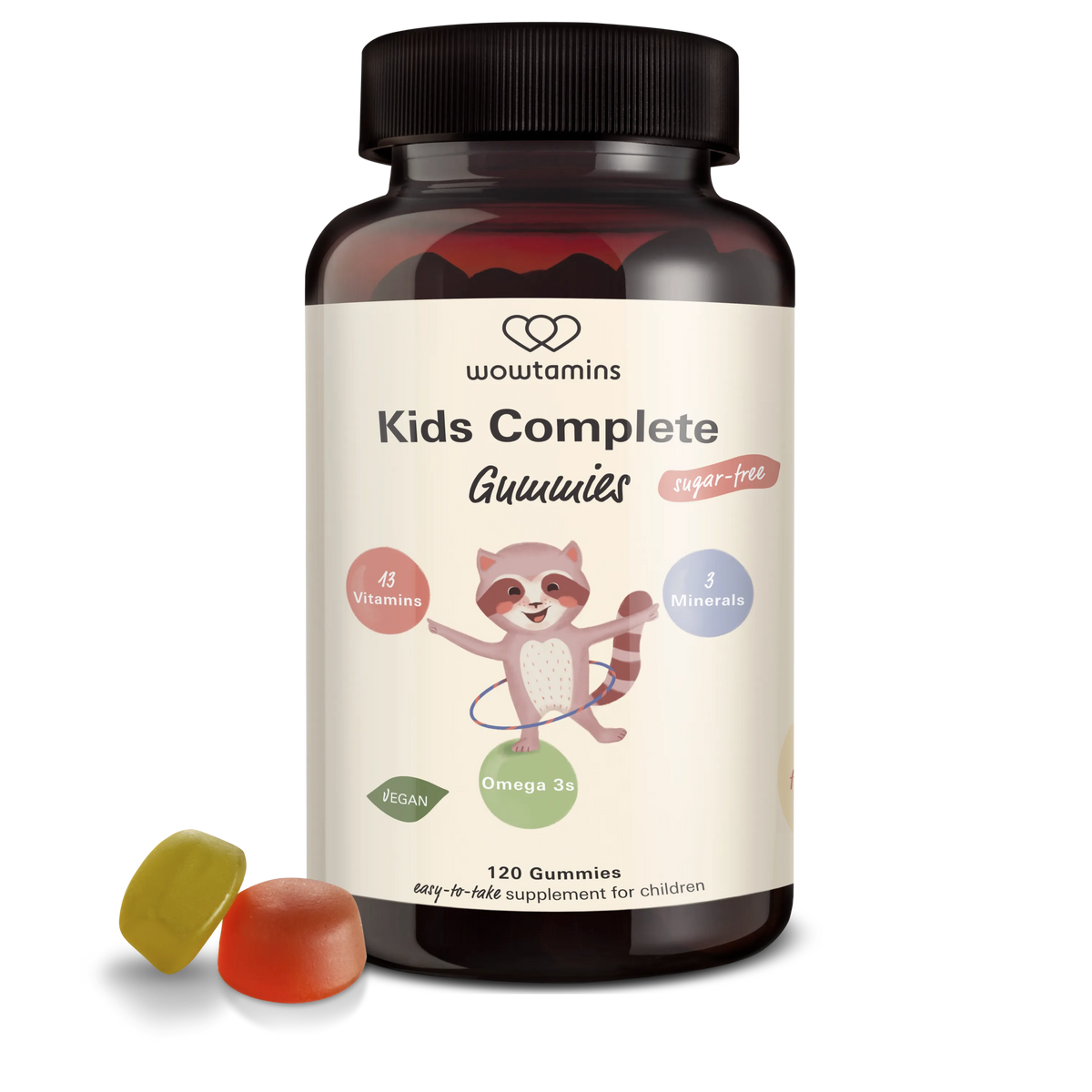
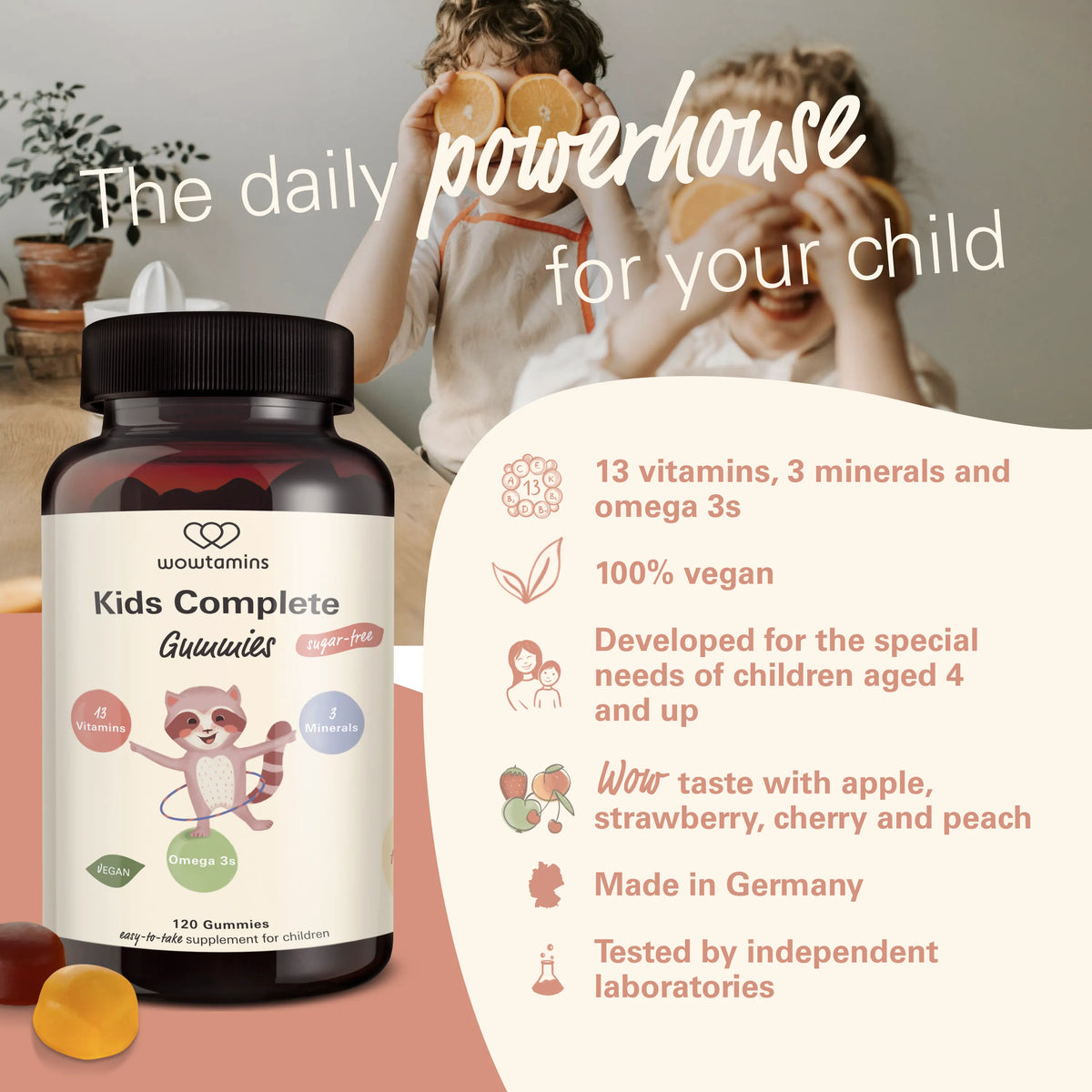
Selenium is naturally found in our products too, such as the Kids Complete Gummies.

Mandatory notice: Food supplements are not a substitute for a balanced and varied diet and a healthy lifestyle.

List of sources - Selenium - wowtamins Nutrient Guide

Discover our vitamin gummy categories