
Probiotics – wowtamins Nutrient Guide
Navigation
Show nutrient list
Probiotics – wowtamins Nutrient Guide
Probiotics are on everyone’s lips—literally. But when it comes to our children’s health, many parents have legitimate questions: Does my child really need probiotics? Which bacterial strains are suitable? And from what age is taking them safe at all? This article provides well-founded answers based on current research and offers practical tips for everyday family life.
What are probiotics, and why are they important for children?
The fascinating world of our tiniest companions begins as soon as your child is born. The World Health Organization (WHO) defines probiotics as living microorganisms that provide a health benefit to the host—in this case, your child—when consumed in sufficient amounts. The best-known representatives include lactic acid bacteria such as lactobacilli and bifidobacteria. These tiny helpers colonize the intestines, where they form a complex ecosystem known as the microbiome.
The foundations for this inner diversity are laid particularly during the first few years of life. Factors such as the type of delivery and early nutrition through breastfeeding have a major influence on the composition of this gut flora. A balanced equilibrium of bacterial cultures is considered an essential component of overall well-being. Since the gut is regarded as the center of many processes in the body, many parents pay particular attention to gently accompanying and supporting the natural development of this invisible protective barrier for their little ones from the very beginning. ¹
Live yogurt cultures contribute
- to improving lactose digestion in children and adolescents who have problems digesting lactose.
For this effect to occur, the relevant foods must contain at least 100 million colony-forming units of the starter microorganisms (Lactobacillus delbrueckii subsp. bulgaricus and Streptococcus thermophilus) per gram.²
What Is the Gut Flora in Children—and Why Is It So Important?
Billions of microorganisms—bacteria, viruses, fungi, and archaea—live in every child’s gut and together form the microbiome. This complex ecosystem is far more than just a collection of gut bacteria: the gut is in close communication with the immune system, as a significant part of the body’s immune tissue is located in the intestinal lining. Science therefore attributes a central role to the microbiome in overall well-being.
The development of a child’s gut flora begins in the womb, where the first maternal microbes are transferred. This process accelerates dramatically at birth: vaginal delivery promotes the dominance of Lactobacillus and Bifidobacterium, while after cesarean sections, skin-derived bacteria such as Staphylococcus are more likely to shape the microbiome. Breastfeeding subsequently introduces other important gut symbionts, as breast milk contains natural prebiotics such as HMO (human milk oligosaccharides), which selectively nourish beneficial bacteria.
With the introduction of complementary foods, the microbiome continues to diversify until it reaches relative stability around the age of three. Quantitatively speaking, newborns harbor around 10⁹ bacteria per gram of stool—a number that rises to 10¹¹–10¹² by adulthood. A stable, diverse flora is associated with well-functioning digestion and an intact intestinal lining. The interaction between the gut and other body systems is also the subject of intensive research.
The need for beneficial bacterial cultures in children
Unlike traditional vitamins or minerals, there are no general intake recommendations in milligrams for bacterial cultures from the German Nutrition Society (DGE). The quantity of these beneficial microorganisms is instead measured in colony-forming units (CFU).
Scientific studies often examine amounts between one and ten billion CFU per day to observe effects. It is important to understand that your child’s microbiome is a dynamic system that constantly adapts. Independent institutes emphasize that diverse colonization of the gut is particularly important during periods of growth. Since every child is different, these figures are merely guidelines.
A varied lifestyle helps the desired microorganisms feel comfortable in your little one’s digestive system. Through conscious choices, parents can ensure that the daily routine provides enough room for this valuable support without losing sight of the goal of natural, child-friendly development.³

What are prebiotics for children?
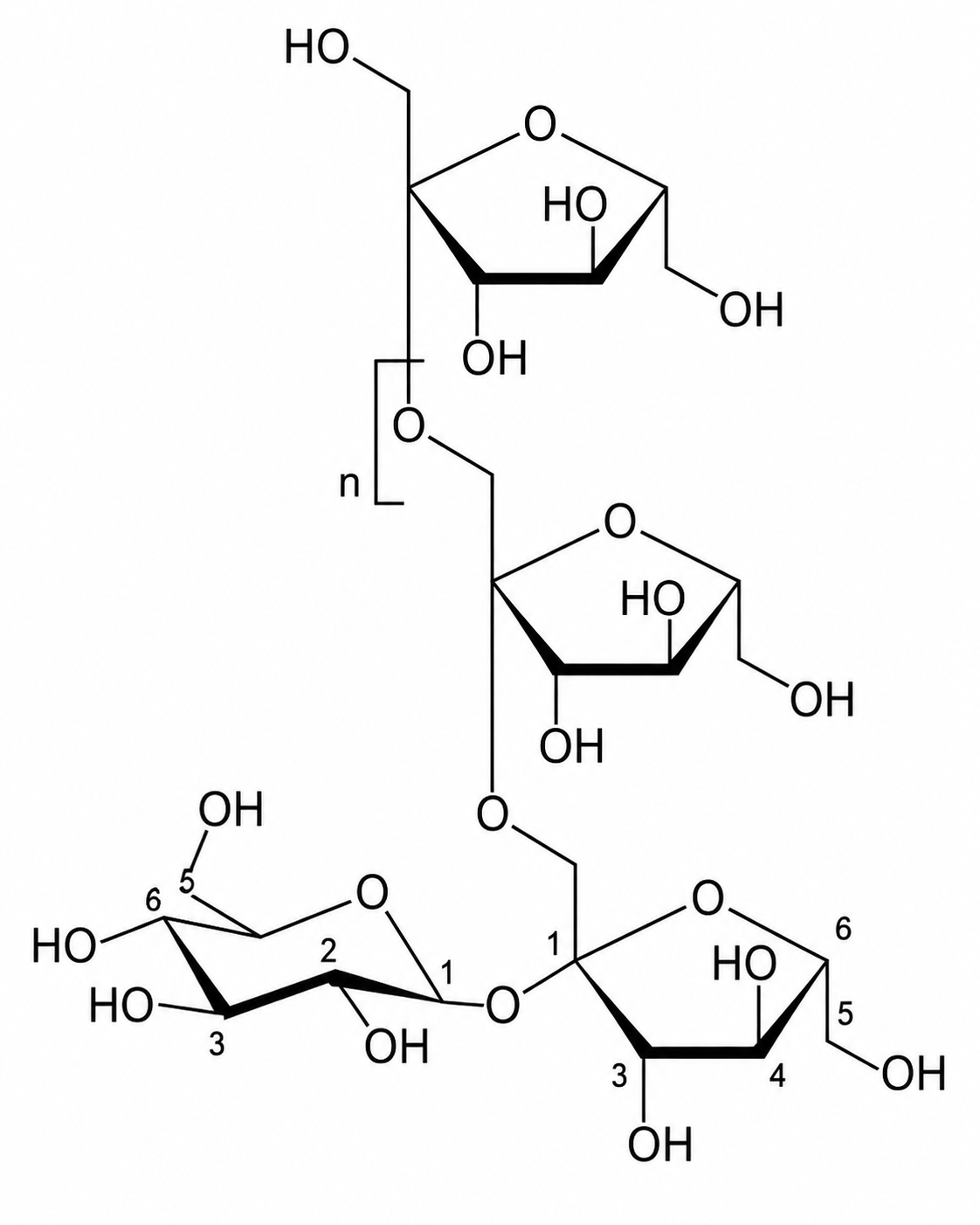
We have learned: Probiotics are living microorganisms. Prebiotics, on the other hand, are indigestible dietary fibers that selectively serve as food for beneficial gut bacteria and promote their growth. Well-known examples include inulin, fructooligosaccharides (FOS), and galactooligosaccharides (GOS).
At what age, and which probiotics, are suitable for children?
Choosing the right product depends largely on age. Age-appropriate preparations are available in different dosage forms and dosages.
Dosage & recommendations by age
0–12 months
- Recommendation: Only after consulting a doctor; no routine prophylaxis
- Dosage form: Drops, powder
- Typical dose: 10⁸ CFU/day
1–3 years
- Recommendation: For clear symptoms or after antibiotics
- Dosage form: Powder, drops
- Typical dose: 10⁸–10⁹ CFU/day
From 4 years
- Recommendation: When indicated, with a wider product selection
- Dosage form: Capsules, chewable tablets, gummies
- Typical dose: 10⁹–10¹⁰ CFU/day
Commonly used bacterial strains:
- Bifidobacterium infantis: a typical first colonizer of the intestines of breastfed infants
- Bifidobacterium longum: one of the most common strains in the intestines of children
- Lactobacillus rhamnosus GG: one of the best-researched strains worldwide
- Lactobacillus reuteri DSM 17938: frequently included in products for infants and toddlers
- Saccharomyces boulardii: a yeast fungus classified as a probiotic (not a bacterium)
When choosing products, parents should look for heat-stable strains, low sugar (under 2 g per serving), freedom from allergens, and proper storage (4–8°C).
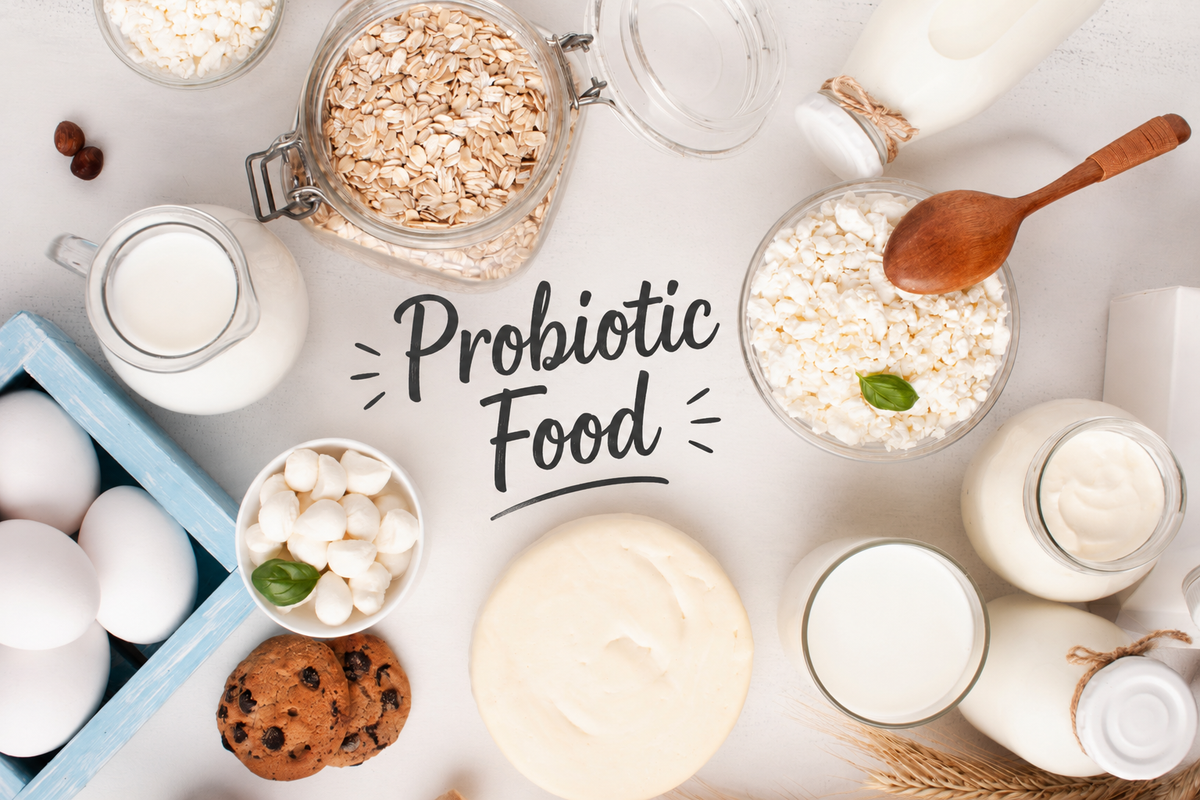
Natural sources: Where are probiotics found?
If you value a varied diet rich in fermented foods, nature offers a wonderful selection of foods. Fermented foods in particular naturally contain live bacterial cultures. These include:
- Yogurt labeled “live cultures”
- Kefir, a traditional fermented drink
- Fresh, unpasteurized sauerkraut
- Miso and tempeh made from fermented soy
- Naturally cloudy apple cider vinegar ⁴
Please note that heat is the natural enemy of these sensitive microorganisms. Heating or pasteurization kills most bacteria, which is why, for example, canned sauerkraut often no longer contains live cultures.
For your children, particularly mild options such as high-quality natural yogurt or mildly fermented kefir are often well suited to incorporating playfully into their diet. A combination of these probiotic foods and fiber, which serves as nourishment for the bacteria, creates a friendly environment in your little ones’ bellies. This way, you can ensure that your child benefits from the power of these traditional production methods and that the diversity within is naturally supported.⁴
Managing everyday life with beneficial bacteria
Incorporating fermented foods into family life sometimes requires a little creativity. While many children love yogurt, it can be more difficult to win over young foodies when it comes to other fermented products such as sauerkraut or miso. Nevertheless, it is worth persevering and introducing children playfully to different flavors.
An uncomplicated option is our Probio Sticks (sugar-free, vegan): They contain selected bacterial cultures and can easily be incorporated into everyday life as a practical supplement. Together with a fiber-rich diet, this provides variety on the menu. At Wowtamins, we want to support you in feeling informed and confident as a parent.
Mandatory notice: Food supplements are not a substitute for a balanced and varied diet and a healthy lifestyle.
Practical tips for parents: taking them, duration, and product selection
Typical duration of use:
- Acute diarrhea: 5–10 days
- After antibiotics: 1–4 weeks
- Ideally begin alongside antibiotic treatment or immediately afterward
Proper use:
- Give probiotics at the same time every day
- Do not mix into hot foods or drinks (temperatures above 40°C destroy 90 percent of the live cultures)
- For drops: stir into breast milk, water, or lukewarm porridge
- Store in a cool place if stated on the product
Product selection checklist:
- Clear strain designation (not just the genus)
- Guaranteed CFU count through the expiration date
- Third-party certification (e.g., USP)
- Minimal additives
- For gummies: check that the sugar content is under 1 g per piece
Keep a symptom diary: Record abdominal pain, stool frequency, and infections over several weeks. This documentation helps the pediatrician assess whether the probiotics are working or whether another option would be better.
Conclusion: Use probiotics sensibly for children—not as a cure-all
Probiotics are often used as a supplement in family life. However, they are not a substitute for the fundamental influences on a child’s microbiome: a balanced diet, breastfeeding during the first months of life, sufficient outdoor exercise, and an environment that is not excessively sterile. These factors have a particularly strong influence on a child’s microbiome during the first years of life.
A child’s microbiome develops dynamically during the first years of life and is shaped significantly by the mode of delivery, the mother, diet, and the environment. Any questions about dietary supplements should therefore be discussed with the pediatrician—instead of experimenting with heavily advertised products on your own.
Research on the child’s microbiome and probiotics is developing rapidly. What is accepted today may be refined by new studies tomorrow. Use reputable, up-to-date sources of information and keep in mind: A varied diet and exercise in the fresh air are generally considered important components of a healthy lifestyle.
Mandatory notice: Food supplements are not a substitute for a balanced and varied diet and a healthy lifestyle.
List of sources - Probiotics – wowtamins Nutrient Guide
All products
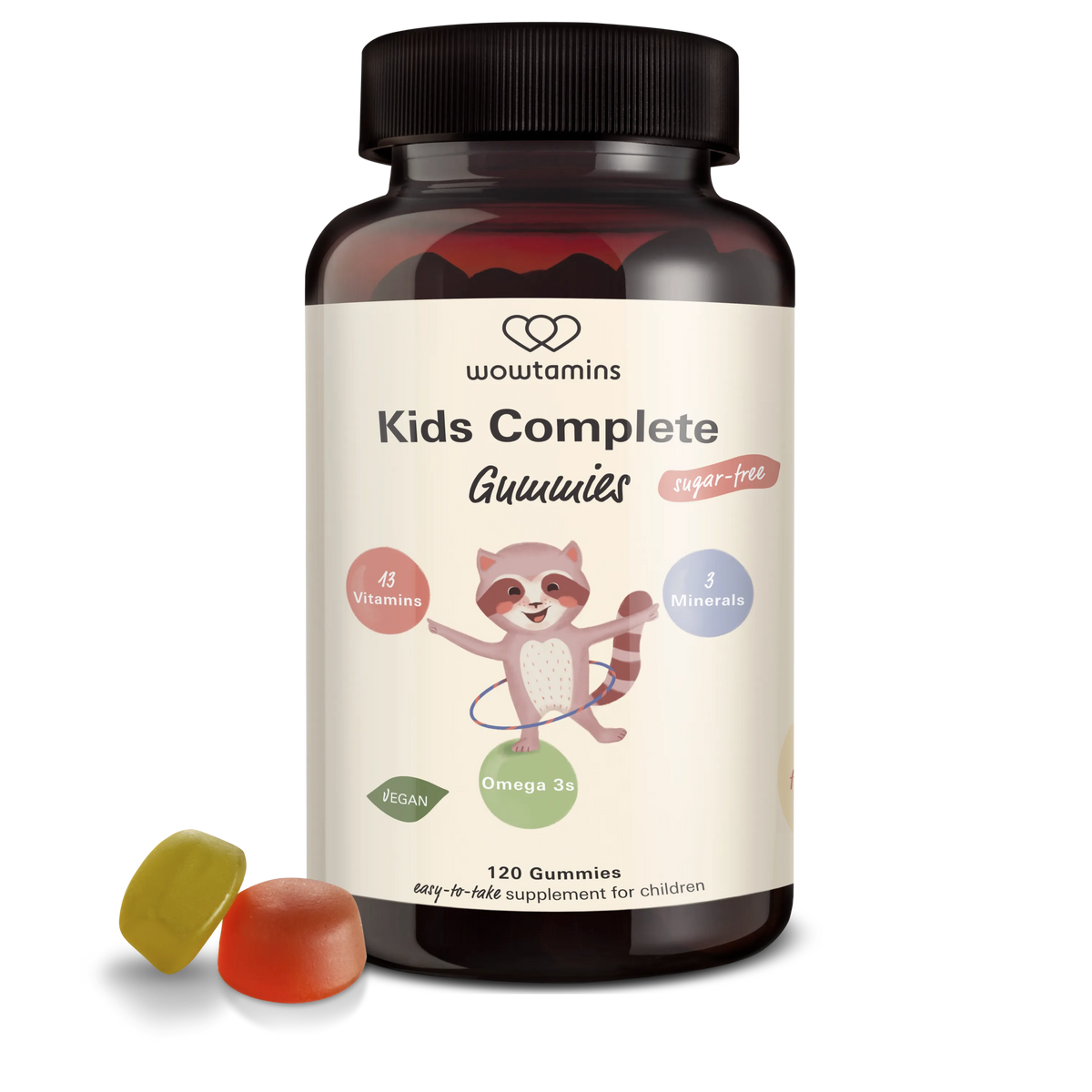
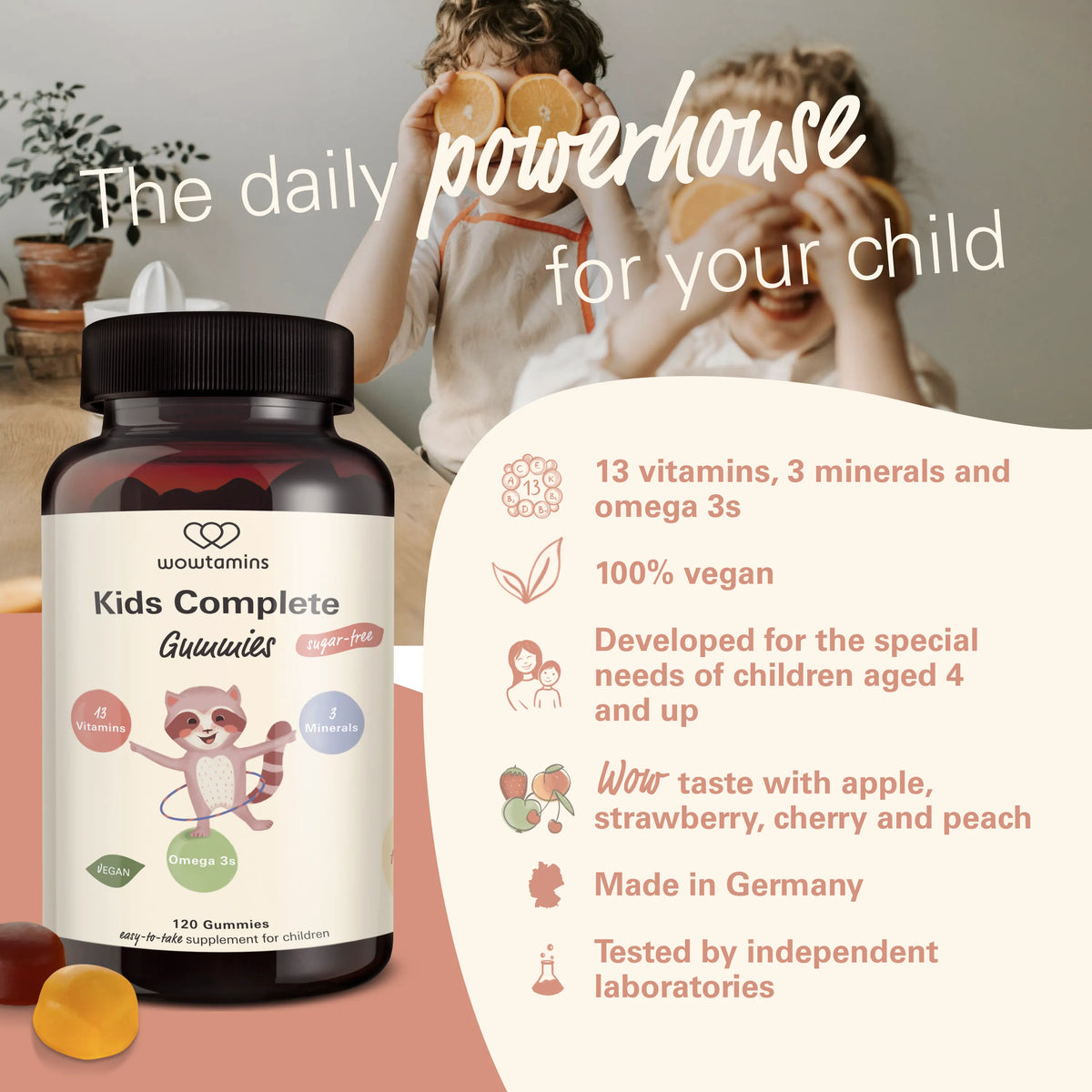
Daily all-round support for kids 🧒💚 – 13 vitamins, omega-3s & minerals
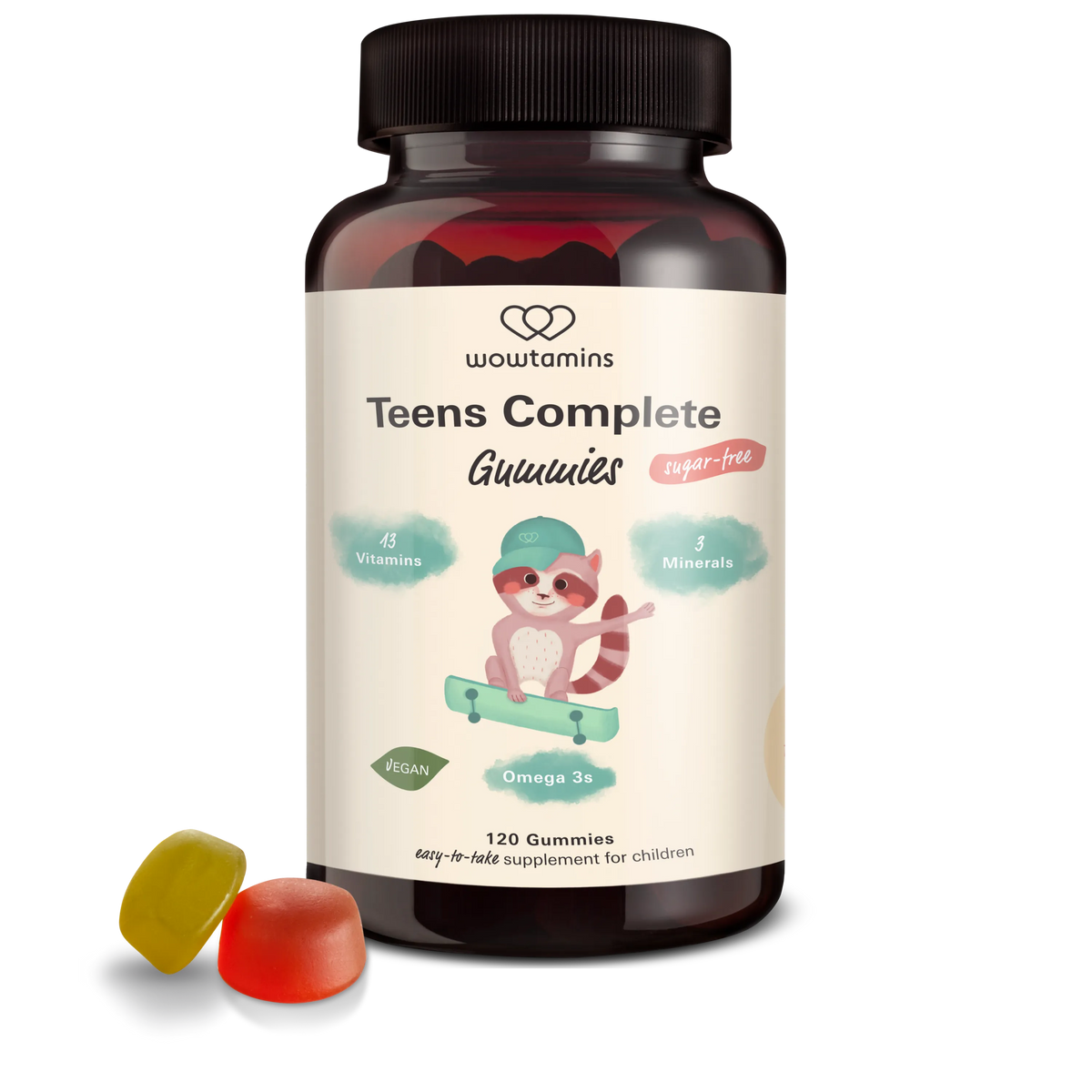
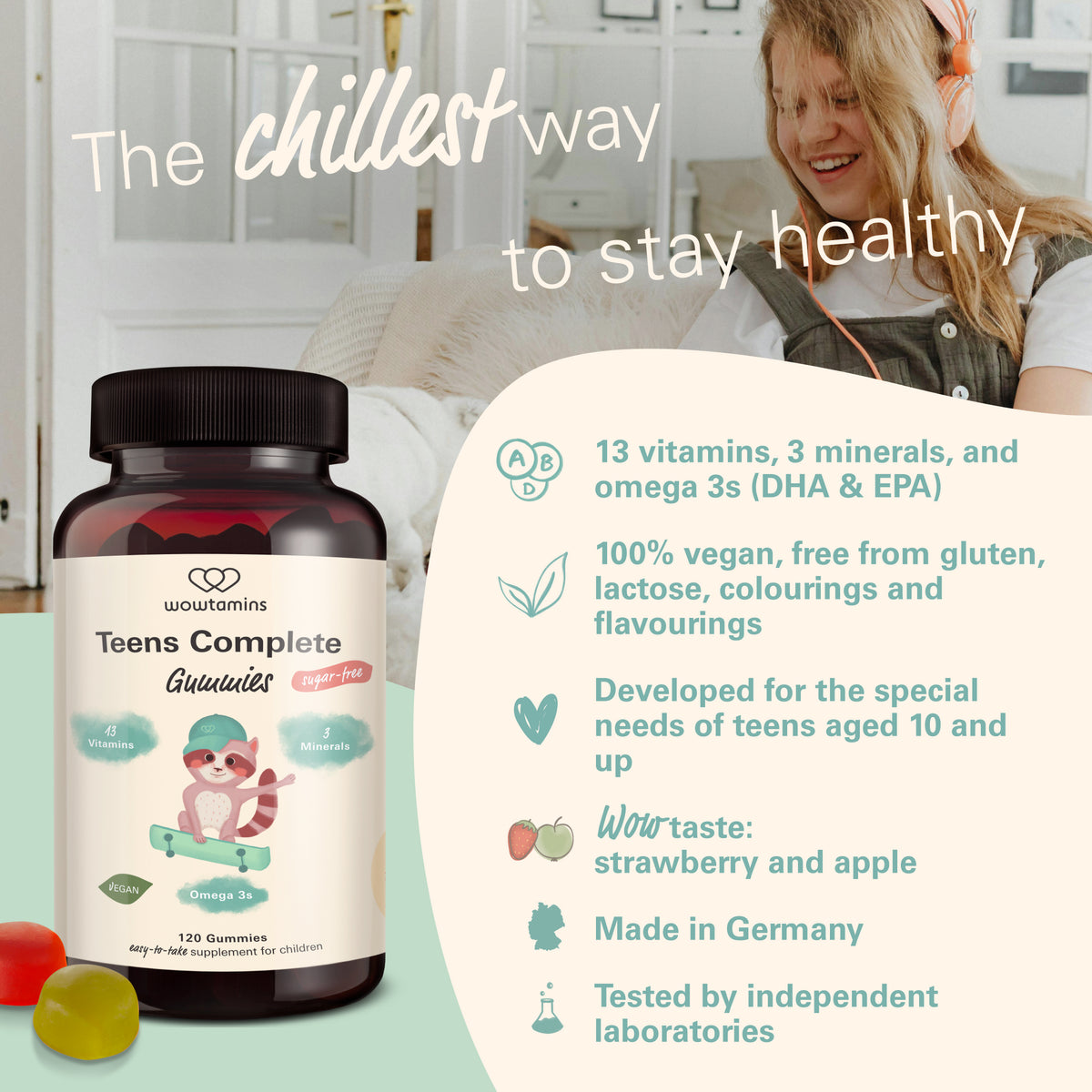
Complete care for teenagers aged 10 and over 👩🎓🧑🎓 – vitamins, omega-3s & minerals
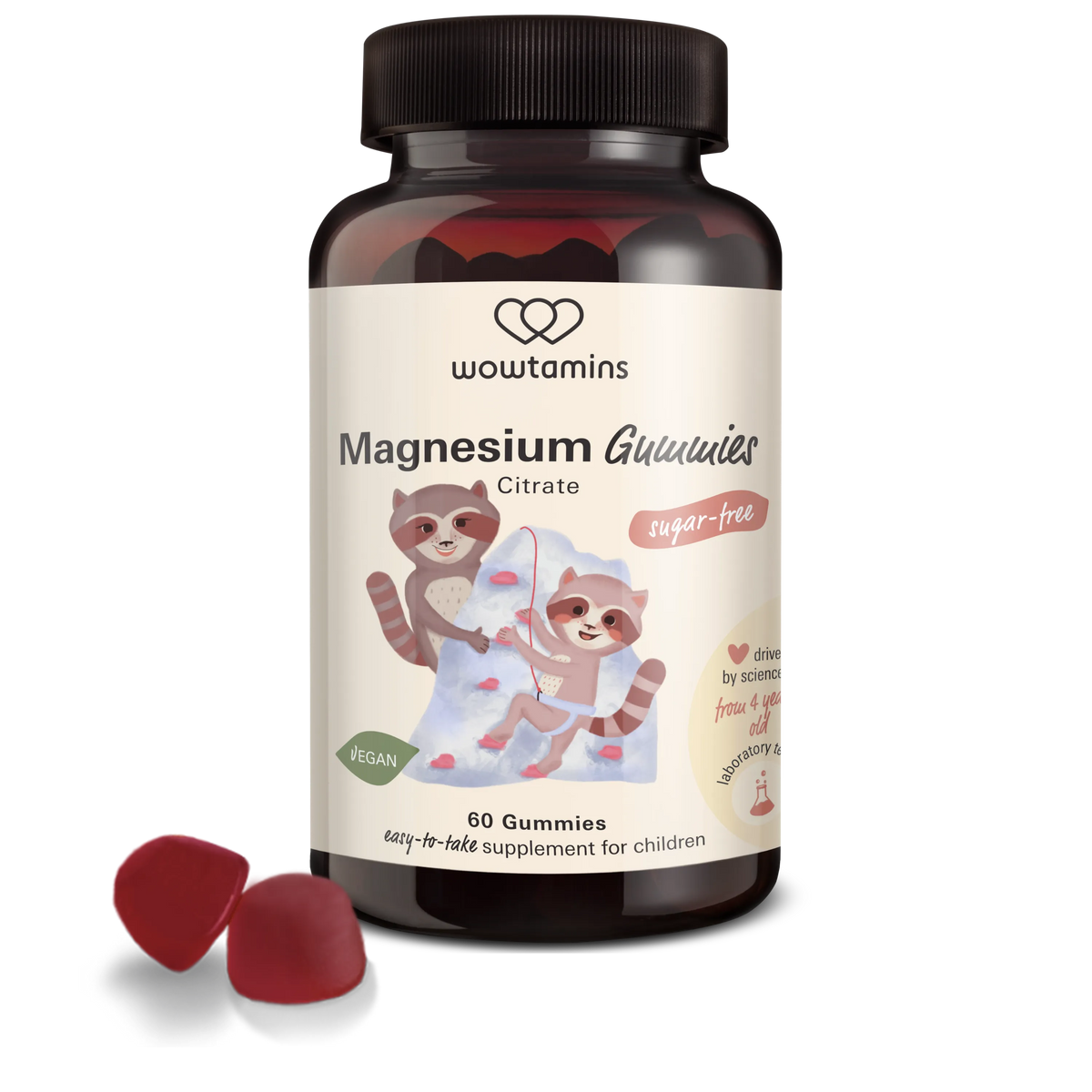

Magnesium Gummies for kids & teens 💪 – for Muscle Function & Energy